

Audio By Carbonatix
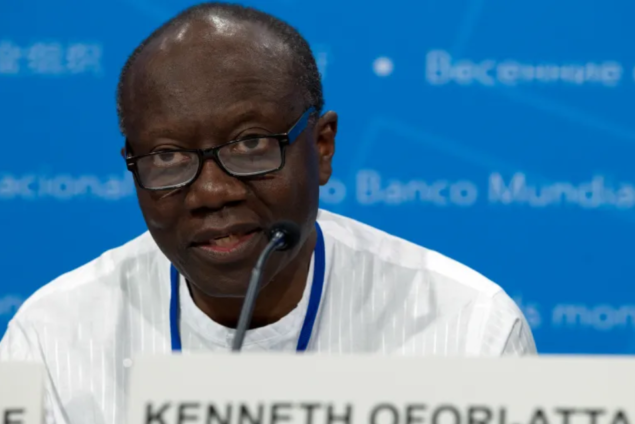
Finance Minister, Ken Ofori-Atta, has outlined five key measures necessary for the government to pursue in order to secure an International Monetary Fund (IMF) support programme.
They are electricity tariff hikes which have brought the cumulative increase to 60% since August 2022 and Comprehensive set of revenue-enhancing measures, including increase in the Value Added Tax rate and the review of the Electronic Transaction Levy (E-levy).
The rest are the enactment of an ambitious 2023 Budget, with a frontloading of the fiscal consolidation programme, continued monetary policy tightening to bring inflation under control and comprehensive set of structural reforms, notably public expenditure review.
These were captured in the Investors Presentation by the Finance Minister and supported by the Governor of the Bank of Ghana, Dr. Ernest Addison.
With regard to fiscal and debt sustainability, the Finance Minister said the government has undertaken fiscal adjustment with revenue and expenditure measures to improve debt sustainability and restore macroeconomic stability.
This is expected to address structural bottlenecks including contingent liabilities of State Owned Enterprises, commitment controls and arrears accumulation as well as domestic revenue mobilization.
On monetary and financial sector reforms, Mr. Ofori-Atta said government is committed to rebuilding reserve buffers, mobilize external concessional financing from multilateral and bilateral partners, and suspend external debt service payments.
With regard to social protection and structural reforms, the Finance Minister said government will safeguard social protection programmes and ensure the burden of adjustment is fairly distributed.
Again, it will reinforce and improve the targeting of social spending to protect the most vulnerable from the impact of the economic crisis as well as fast-track the implementation of growth-oriented socio-economic policies, such as Ghana CARES to mitigate the impact of the pandemic and support economic recovery.
Government outlines 5 ambitious macroeconomic targets
Meanwhile, the government has outlined five ambitious macroeconomic objectives in the medium term as part of securing a programme from the International Monetary Fund.
They are reaching a 1.5% of Gross Domestic Product primary surplus in the medium term, bringing inflation below 8% in the medium-term and restoring external buffers with gross international reserves reaching 3 months of import cover by 2026.
The rest are reaching a real Gross Domestic Product growth target of 5% over the medium-term and enhancing competitiveness with exports surpassing 37% of GDP in the medium run.
Latest Stories
-
We can tackle multiple priorities – Sam George defends Anti-LGBTQ Bill push
17 minutes -
Statement: Ghana Chamber of Mines’ Response to Claims in Joe Jackson’s “Ananse Stories about the Economy of Ghana”
18 minutes -
GES opens 2026 teacher recruitment for licensed B.Ed graduates
20 minutes -
Ghana must value skilled trades, build resilient learners — Ibn Chambas
28 minutes -
Ghana must rethink education around relevance, resilience and responsibility — Ibn Chambas
31 minutes -
Prince Harry faces defamation lawsuit from charity he co-founded
33 minutes -
South Korea deploys thermal cameras to track escaped zoo wolf
35 minutes -
Calls for royal meeting with Epstein survivors grow ahead of US visit
38 minutes -
Ibn Chambas advocates blend of technology and human values in education
40 minutes -
UMA improves healthcare access in Asutifi North with GH₵700k ‘Kim Taylor Legacy’ Walkway
45 minutes -
Scholarships Authority and Fanaka University offer sponsorship for procurement and supply chain studies
48 minutes -
Bisa Kdei drops new single ‘Go N Look’ featuring Medikal
54 minutes -
Benin facing rising terrorism in north as French military presence faces growing criticism
55 minutes -
UEW Public Lecture Series 2026: Education debate ‘about the soul of Ghana’s future’ — Dr Ibn Chambas
56 minutes -
EU fingerprint and photo travel rules come into force from today
1 hour