

Audio By Carbonatix
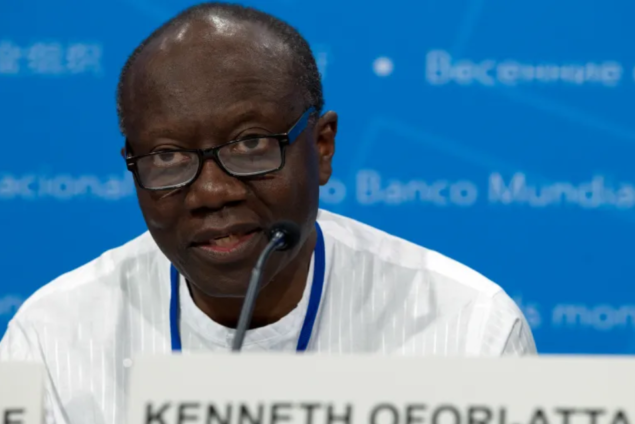
Finance Minister, Ken Ofori-Atta, has outlined five key measures necessary for the government to pursue in order to secure an International Monetary Fund (IMF) support programme.
They are electricity tariff hikes which have brought the cumulative increase to 60% since August 2022 and Comprehensive set of revenue-enhancing measures, including increase in the Value Added Tax rate and the review of the Electronic Transaction Levy (E-levy).
The rest are the enactment of an ambitious 2023 Budget, with a frontloading of the fiscal consolidation programme, continued monetary policy tightening to bring inflation under control and comprehensive set of structural reforms, notably public expenditure review.
These were captured in the Investors Presentation by the Finance Minister and supported by the Governor of the Bank of Ghana, Dr. Ernest Addison.
With regard to fiscal and debt sustainability, the Finance Minister said the government has undertaken fiscal adjustment with revenue and expenditure measures to improve debt sustainability and restore macroeconomic stability.
This is expected to address structural bottlenecks including contingent liabilities of State Owned Enterprises, commitment controls and arrears accumulation as well as domestic revenue mobilization.
On monetary and financial sector reforms, Mr. Ofori-Atta said government is committed to rebuilding reserve buffers, mobilize external concessional financing from multilateral and bilateral partners, and suspend external debt service payments.
With regard to social protection and structural reforms, the Finance Minister said government will safeguard social protection programmes and ensure the burden of adjustment is fairly distributed.
Again, it will reinforce and improve the targeting of social spending to protect the most vulnerable from the impact of the economic crisis as well as fast-track the implementation of growth-oriented socio-economic policies, such as Ghana CARES to mitigate the impact of the pandemic and support economic recovery.
Government outlines 5 ambitious macroeconomic targets
Meanwhile, the government has outlined five ambitious macroeconomic objectives in the medium term as part of securing a programme from the International Monetary Fund.
They are reaching a 1.5% of Gross Domestic Product primary surplus in the medium term, bringing inflation below 8% in the medium-term and restoring external buffers with gross international reserves reaching 3 months of import cover by 2026.
The rest are reaching a real Gross Domestic Product growth target of 5% over the medium-term and enhancing competitiveness with exports surpassing 37% of GDP in the medium run.
Latest Stories
-
Government identifies payment discrepancy holding up teachers’ strike resolution
1 minute -
BoG signals no FX intermediation for October as GoldBod plans $1bn support for banks
5 minutes -
When share ownership becomes personal: The African mindset of the Dangote IPO
15 minutes -
Why MFWA Legal Fund matters to Ghana’s democracy
15 minutes -
Fuel prices to rise from October 1; diesel could hit GH¢19.60 – COMAC
16 minutes -
Parliament must investigate how 3.9 tonnes of cocaine left Ghana undetected – Samuel Jinapor
16 minutes -
Government pledges to pay striking teachers as payment dispute is resolved
30 minutes -
Government cannot investigate drug exports under its own watch – Abu Jinapor
33 minutes -
Government extends GH¢2 diesel subsidy for two more months
40 minutes -
GTEC flags over 100 tertiary institutions as unrecognised
42 minutes -
Agric Committee chair commends NAFCO for turnaround from GH¢20m debt to GH¢96m profit
47 minutes -
NPP: Judicial office requires judges to surrender some personal freedoms
52 minutes -
Senyo Hosi: Ghana missed its chance to end galamsey under Akufo-Addo
58 minutes -
Okaikwei Central MP alleges Ghana was close to settling Tullow tax dispute for $150m
60 minutes -
Patrick Boamah credits Godfred Dame for Ghana’s victory in $400m Tullow tax arbitration
1 hour