


Audio By Carbonatix
A call has been made for more persons who meet the criteria to be added to the Livelihood Empowerment Against Poverty (LEAP) programme.
At a day’s training for key local social protection stakeholders within the Sekondi-Takoradi Municipal Assembly (STMA), participants bemoaned the rising poverty status of citizens in the country.
Municipal Director for Social Welfare, Madam Constance Baiden, noted that many residents in the twin city had degenerated into extreme poverty since the last expansion was done for the programme.
She argued that as far as rights go, it is the right of such persons who are experiencing extreme poverty to be enrolled in the programme and be catered to by the state.
“If Social Protection is a right, is it a right for only the already existing beneficiaries or is it a right for all Ghanaians?” she asked.
She stressed that one of the most difficult parts of her job is explaining to potential beneficiaries why they cannot yet be enrolled in the programme.
“There are many people who fall within the categories described by the Ministry who are supposed to be benefiting from the LEAP. When we go out for community engagement, people ask us why certain people who they know are extremely poor are not enrolled in the LEAP programme and I don’t know what answers to give them,” she said in exasperation.
BCC Training at Sekondi-Takoradi
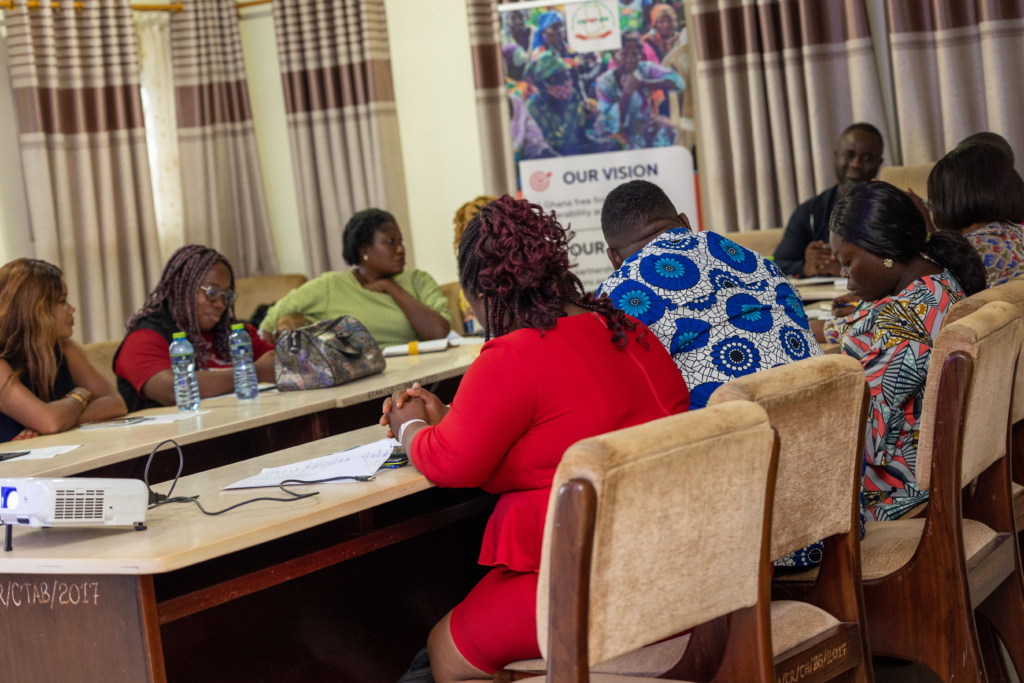
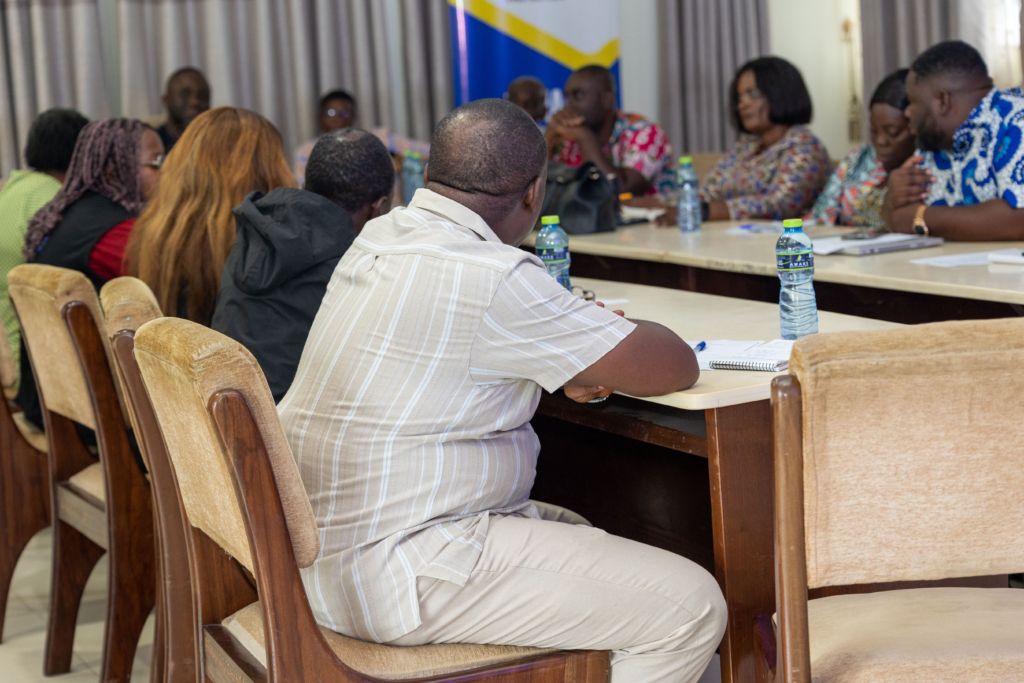
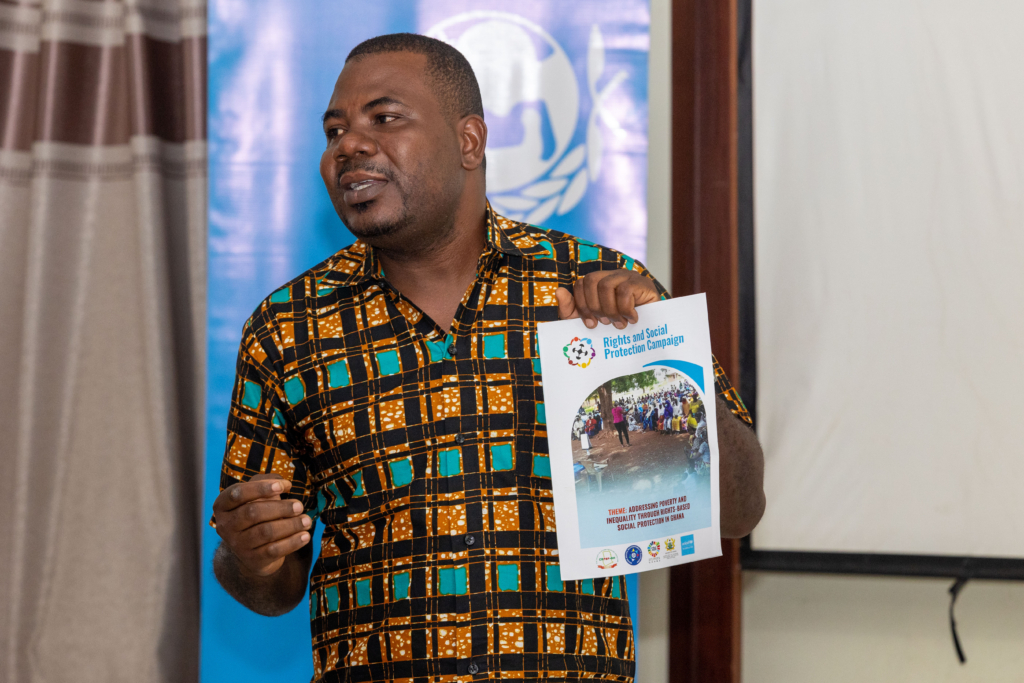
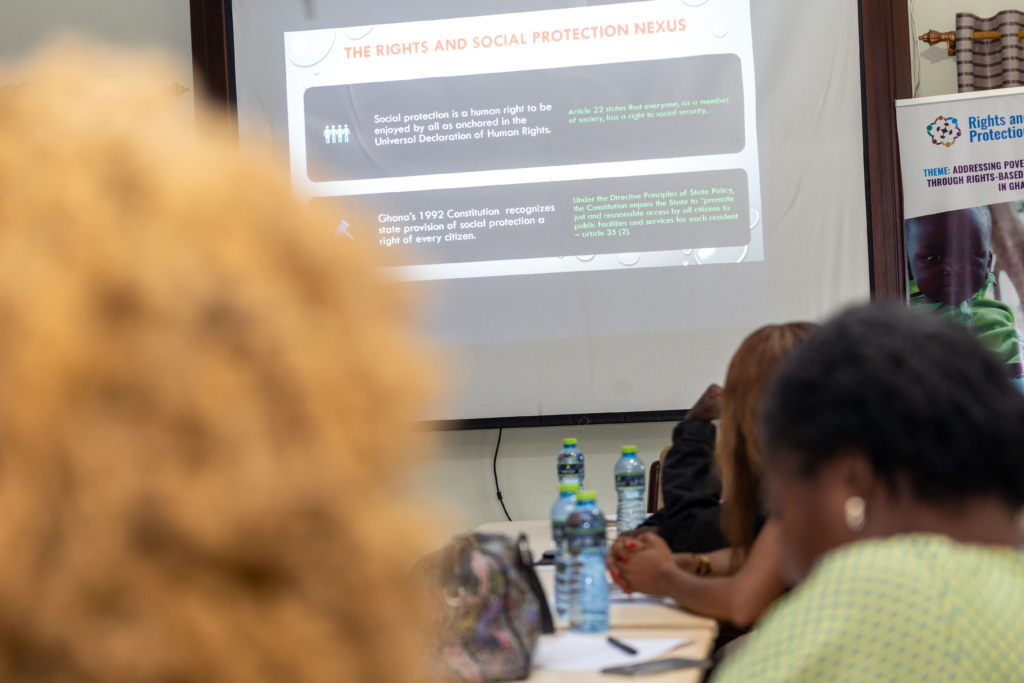
The training was organised to empower key district-level state actors in the STMA on the Rights-Based Approach (RBA) to Social Protection Campaign, launched in November 2023 and expected to last for two years.
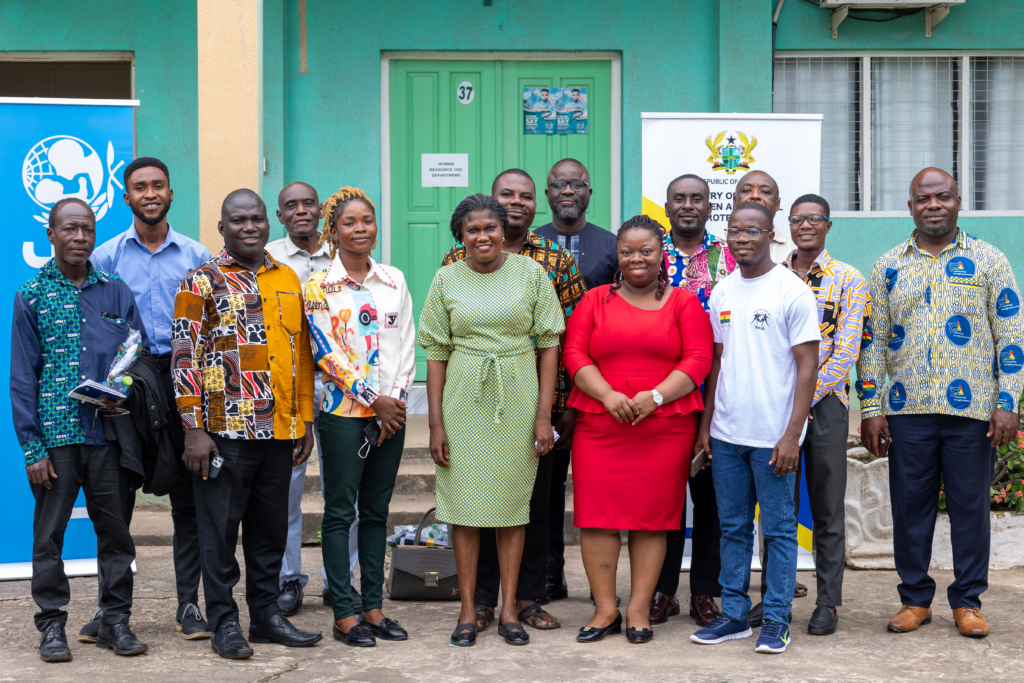
Organised by the Ministry of Gender, Children and Social Protection (MOGCSP) in collaboration with Civil Society Partnership For Social Accountability In Social Protection for Social Protection with support from UNICEF, the training is part of a Beneficiary and Community Communication (BCC) on Social Protection program expected to cover 32 communities in 16 districts across the 16 regions of Ghana.
According to the Ministry, the motive of the training is to enable key actors such as the Social Welfare, National Commission for Civic Education (NCCE), Ghana Education Service, School Feeding Programme, Information Services Department, CSOs and local-level media practitioners to understand the Rights and Social Protection Campaign and empower them to communicate more effectively with community members and beneficiaries about the social protection mechanism in the country.
The specific social protection programmes being focused on in the Rights and Social Protection Campaign are LEAP, National Health Insurance Scheme (NHIS), Capitation Grant, Ghana School Feeding Programme (GSFP) and the Labour-Intensive Public Works (LIPW).
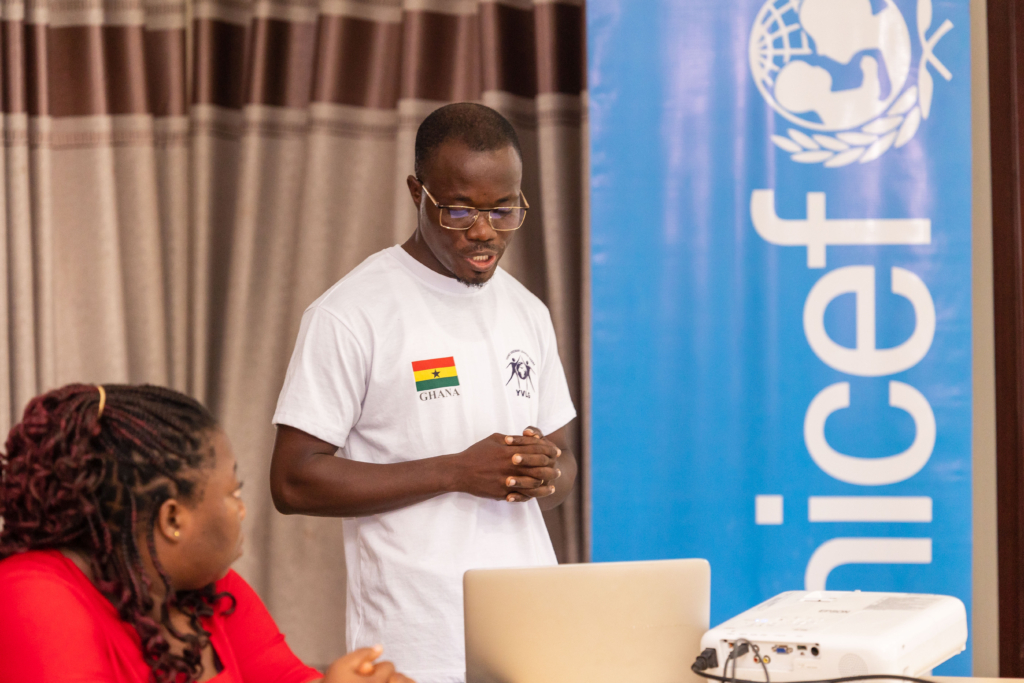
Speaking on the sidelines of the training, a co-convener for the Social Accountability Platform, Afangbe Joseph touted the necessity of the Rights and Social Protection Campaign.
He reiterated research findings that show that most Ghanaians consider social protection policies a favour done to them by political actors.
“UNICEF, in partnership with academia and research institutions, in 2019/2020, conducted a baseline study which showed that most Ghanaians, most especially beneficiaries of social protection programmes think that instead of a hand up, it’s a hand out that government is giving them. Sometimes, service providers tell beneficiaries that ‘if you don’t do this or do this when the government is no more there, you will not be able to benefit from the programme.’ So, they feel reluctant to demand accountability,” he explained in detail.
He stressed that the Rights and Social Protection Campaign intends to open the eyes of citizens and beneficiaries to the fact that social protection is their right, not a political favour.
Eugene Nuamah, Head of Advocacy and Strategy at the Social Protection Directorate of MOGCSP, stated the Ministry is currently conducting a LEAP reassessment exercise.
In his own words, “We are certifying the whole beneficiary household register. In doing so, those that, by assessing their poverty status, they’ve moved from that ‘extreme poverty’ bracket, we will graduate onto productive inclusion support so that they will not fall back to their previous status.”
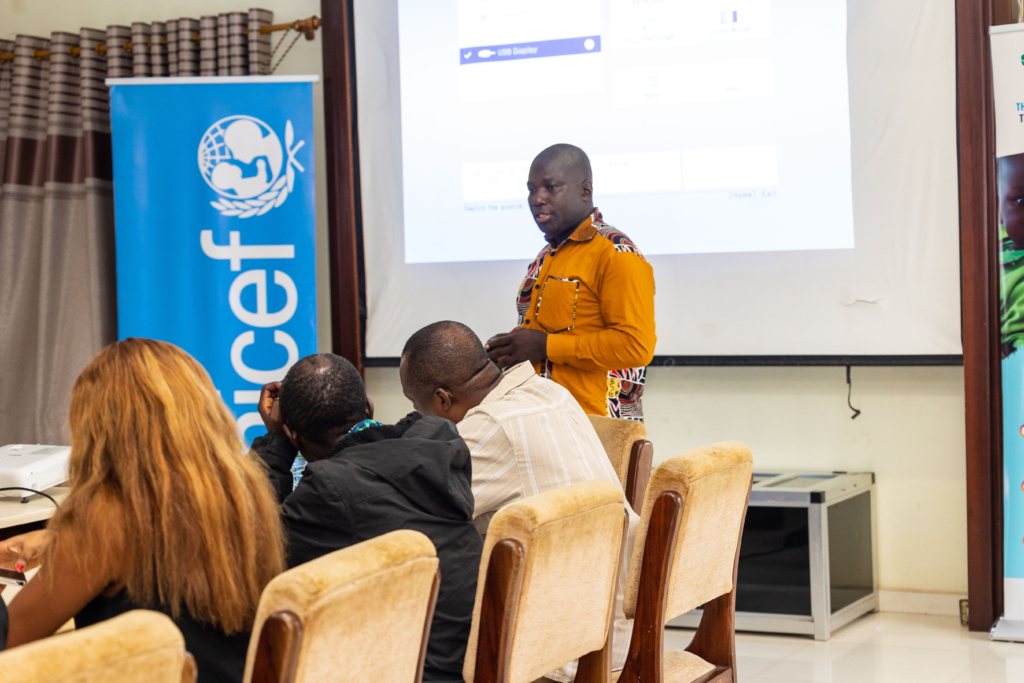
Eugene is convinced that the LEAP reassessment exercise, when completed, would provide a better scientific basis for eliminating certain beneficiaries from the LEAP programme and allow for the inclusion of new people who may have fallen into extreme poverty since the last expansion exercise.
He however clarified that in 2023, over 6000 households were added to the LEAP Programme.
Latest Stories
-
Conflicts among care providers linked to maternal, neonatal deaths – Expert
35 minutes -
GIS marks 10th TIME conference, champions improved teaching practices
42 minutes -
BRICS Or Balance? What Ghana’s bid really means
1 hour -
GPRTU wants full TRAFFITECH-GH implementation to start in 2027
1 hour -
Mahama announces plans to import electric wheelchairs for PWDs
2 hours -
KGL U17 Colts 2026: Western beat Prempeh Elite Academy to set up final final with Greater Accra Region
2 hours -
Late Solanke strike salvages 10-man Spurs draw at Man United
2 hours -
Gender Ministry to monitor welfare of Nana Akua Addo’s children amid domestic violence case
2 hours -
Benedict Okyere Yeboah: Ghana’s football problem goes beyond sacking a coach
2 hours -
GPL 2026/27: Darkwah Wiafe’s winner sees All Blacks beat Kotoko
2 hours -
ITF World Tour : Patel Wins Boys’ Singles Final at J100 Accra
3 hours -
Ghana must pursue BRICS partnership if it brings economic benefits – Kpebu
3 hours -
Success and Wright Claims J100 Accra Girls’ Doubles Championship
3 hours -
ITF J100: America’s Wright wins J100 Accra Girls’ Singles Title
3 hours -
Expedition hopes to find aviator Amelia Earhart’s plane on remote island
3 hours