

Audio By Carbonatix
Experts in climate change, fisheries and human rights under the 'One Ocean Hub Ghana' are calling on policy makers in the country to ensure that the voices of those whose lives depend directly on the ocean are incorporated in policies that govern the ocean.
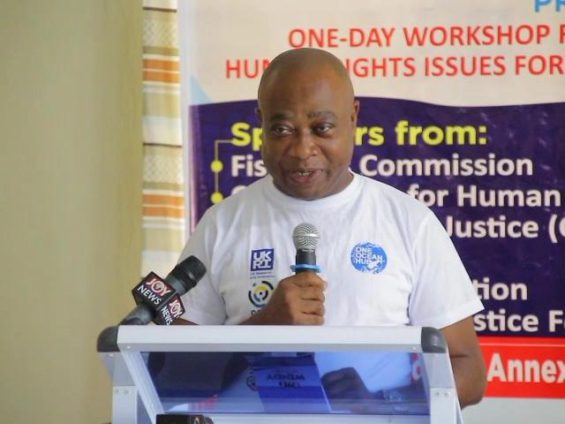
Country Director of ‘One Ocean Hub Ghana Project, Prof. Benjamin Kofi Nyarko, believes a departure from the top-bottom approach type of ocean governance would help a great deal with the dwindling marine life and to some extent reduce the impact of tidal waves that occasionally rock some coastal communities.
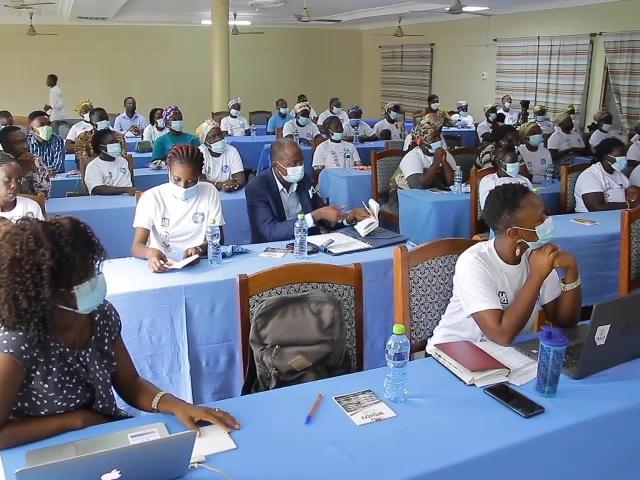
The experts have been addressing a day’s awareness creation forum for women in selected small-scale fisheries in the Central Region.
Prof. Kofi Nyarko stated: “the One Ocean Hub brings together researchers to help us have an interdisciplinary research in order to understand the ocean in a holistic manner and also to have evidence-based research so that it could be inputted for policy purposes.”
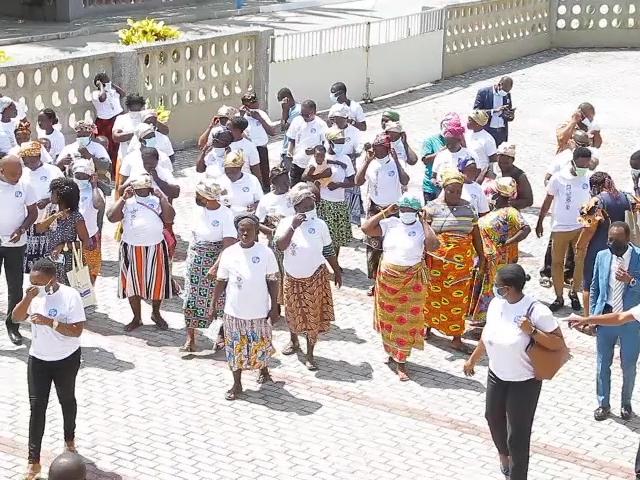
The day’s awareness forum was to build the capacity of fish processors and fishmongers in two communities in Gomoa West and Efutu in the Central Region to network and join forces to voice their problems to make it stronger for the government and other institutions who make policies to address them.
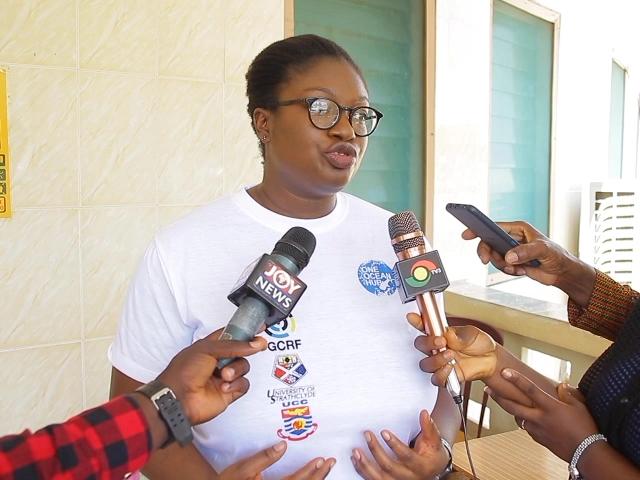
“The policy-makers expect the fisherfolk to swallow whatever policies they have put forward without considering their thoughts, believes and challenges. They don’t incorporate the various aspects which the fisherfolk are used to. There are various intangibles which could into the fashioning of policy and so the policies are always vague because they weren’t consulted,” he said.
Law lecturer at the University of Cape Coast, Dr. Bolanle Erinosho, explained why the intervention of the One Ocean Hub was particularly important. She says it was important to involve the community folk in the fishing areas in order to deal with the climatic change issues and also to deal with its associated human rights issues.
Zonal Director of the Fisheries Commission, Kwame Damoah explained that the low involvement of local communities in fisheries management planning and decision making demanded co-management of the ocean.
He stated that the Fisheries Commission and Ministry of Fisheries were working to put an end to illegal fishing in the country, but it was unfortunate that the same people who were calling on the government to stop illegal fishing were the ones engaged in the practice and urged them to put an end to it.
The One Ocean Hub, is a Global Organization, led by the University of Strathclyde Glasgow in the UK with 18 partner organizations, aimed at seeking the transformation of the urgent challenges facing the Ocean, influencing decisions and practices that shape the future of the ocean promote sustainability and justice.
Latest Stories
-
MLS bans Yeboah & Jones for betting offences
2 hours -
He called me traitor 50 times – Mourinho sent off after celebrating goal
2 hours -
Eni Aluko wins Joey Barton libel case over X posts
2 hours -
Ten players from Jamaican club denied entry to US
2 hours -
Some banks move to sell assets of PBC over GHC 300 million debt
2 hours -
Uefa fears impact of Premier League spending rules
2 hours -
EU to sign historic defence pact with Ghana in global security pivot
2 hours -
Liverpool lose to Galatasaray in Slot’s 100th game in charge
2 hours -
Iran begins laying mines in Strait of Hormuz, sources say
2 hours -
Joey Barton refused bail after ‘attack at golf club’
2 hours -
GH¢68.7bn gov’t arrears bombshell: Parliament orders probe over suspected fraud
3 hours -
The public display of students’ academic results in basic schools: A case against a damaging practice
3 hours -
GOIL jumps GH¢0.21, MTN Ghana surges past GH¢6.30 in record-breaking GSE session
3 hours -
NAIMOS disrupts illegal mining activities at Gwira Banso-Eshiem
4 hours -
Ashesi hosts Kensei Kai Foundation’s maiden Inter-University Karate Camp
4 hours