

Audio By Carbonatix
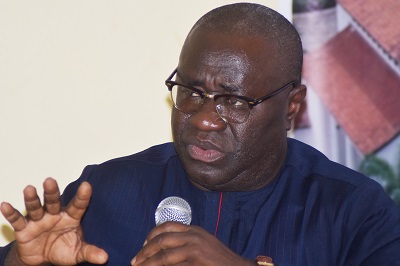
Director of the Faculty of Academic Affairs and Research at the Kofi Annan International Peacekeeping Training Centre, Prof. Kwesi Aning says the country should be worried about the increasing gun-related crimes that sometimes claims lives.
He says the production and the transportation of guns around the country for crimes should be tackled forcefully by state authorities to reduce such occurrences.
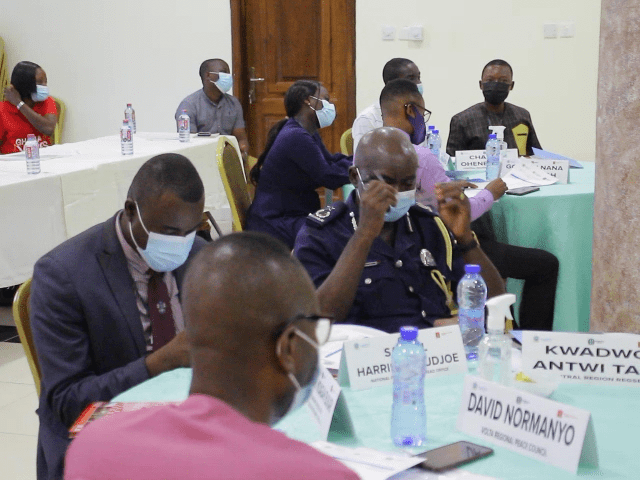
Speaking at a three-day dialogue on ascertaining vulnerabilities and resilience in peace infrastructures in West Africa in Cape Coast, Prof. Aning indicated a lot more needs to be done to find out where the criminals get the guns and how they are able to transport them across the country unnoticed.
Prof. Kwesi Aning explained the dialogue feeds into the larger mission and vision of the Kofi Annan International Peace Keeping Training Centre to contribute to creating a peaceful and stable environment in Ghana and the West African Sub-region.
He said, already, Ghana is beginning to see the outlines; more violent response, more daring crimes, the transition from pump action guns to military grade weapons.
This further indicates that almost all the guns used in violence in the country, don’t come from outside, they come from within.
“What that means is that we need to ask ourselves very difficult questions that if criminals get access to all manner of guns, including military grade guns, then it means that Ghana has created a fertile ground both for the acquisition of the necessary tools for violent attacks but also for resupply and supply networks.”
He suggested that in resolving the matter, authorities must understand the very tough interlocking dynamics involved in the happenings.
“First, who are the actors who made these guns available? How did they get access to these guns? What are the routes for the supply? How do we transport guns from one location to the other without finding out?”
Prof. Kwesi Aning also indicated, the vigilantes have not gone anywhere and that when they resurface, they would be more violent and better armed.
“Except we bring in the military, we would not be able to bring them down control. But we are deceiving ourselves that we have dealt with them. We know they have transformed and are part of the rosewood trade, they are part of the charcoal trade, they are providing protection services, they are mining in Gbane and other places, they are involved in cattle rustling but who born dog to go and tell them to stop.”
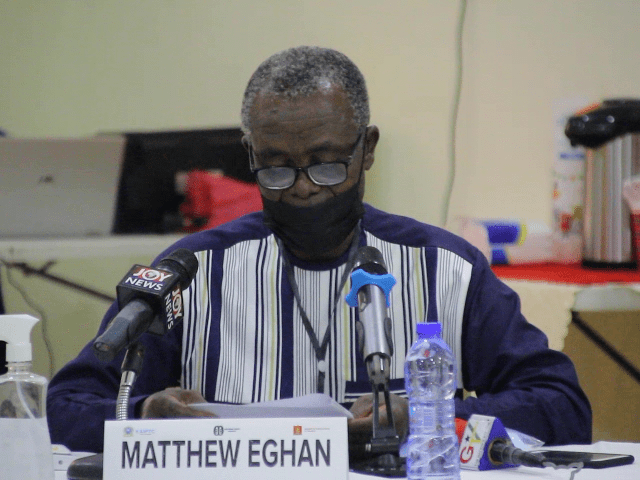
Meanwhile, Central Regional Chairman of the National Peace Council, Mathew Eghan has called for social support for the masses that would ultimately reduce their vulnerabilities.
Latest Stories
-
Journalists look back on a decade of breast cancer reporting in Ghana
35 minutes -
President Mahama ends Resetting Ghana tour of Ahafo Region
2 hours -
African negotiators seek delivery of climate commitments at COP31
2 hours -
BoG develops AI rules for financial sector
3 hours -
‘Big Push’: Government assures contractors of prompt payments
3 hours -
Court fines miner for breaking into gold buying shop
3 hours -
Tarkwa court jails labourer for three years over GH¢123,000 theft
4 hours -
GAEC must retain nuclear scientists for Ghana’s nuclear ambitions – Minister
4 hours -
Man reportedly mistaken for game and shot by hunter dead in forest
4 hours -
19-year-old mason jailed 15 years for defiling seven-year-old pupil
4 hours -
Ghana’s banking sector assets rise 20.47% to GH¢500.2bn – BoG Governor
4 hours -
22 injured as Sprinter bus overturns at Sege after tyre burst
4 hours -
UN housing expert urges Ghana to strengthen Rent Control Department amid housing affordability concerns
5 hours -
Delta-BCI partnership reaches 166,000 people with breast cancer education
5 hours -
Power restoration fault suspected in Kumasi Central Market fire
10 hours