

Audio By Carbonatix
The University of Oxford has been given £100m, one of the largest donations in its history for a new institute focusing on resistance to antibiotics.
The gift from chemicals giant Ineos will be used to fund antimicrobial research at the institution, which played a key role in the origin of antibiotics after its academics developed the use of penicillin in the 1940s.
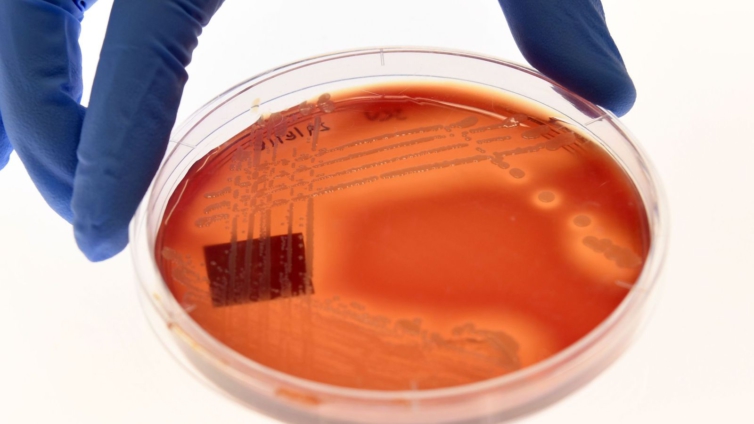
Researchers will seek to develop new drugs for animals and humans, as well as promote more responsible use of the antibiotics we have, following a rise in antibiotic-resistant "superbugs".
It is estimated that by 2050, up to 10 million deaths each year could be caused by antibiotics and other antimicrobial drugs no longer being effective at treating common diseases.

Oxford's vice chancellor Professor Louise Richardson said immediate action to address the issue was "imperative" as she warned it would be "cataclysmic" for surgeries if infection could not be prevented by antibiotics.
"I think that the pandemic has shown us just the extraordinary high costs if you ignore a problem that is potentially headed your way.
"We certainly knew that there was a high potential for another pandemic, we were reminded of that many times, and yet we were caught unprepared.
"We know that human antibiotics are, with every passing year, becoming fewer and fewer because of the growth of resistance so it's absolutely imperative that we act, and the impact of being unprepared for the pandemic I think reinforces the importance of acting before it's too late."
"Every time you have surgery, the biggest risk is infection, so you get an antibiotic to prevent that.
"Imagine if you couldn't prevent infection, it would be cataclysmic for so many surgeries," she warned.
Sir Jim Ratcliffe, founder and chairman of Ineos, said he is "excited" to partner with the university "to accelerate progress in tackling this urgent global challenge".

Prof. Richardson said the donation to the university was "wonderfully generous" and she added that it felt "entirely appropriate" that Oxford would be "in the vanguard" of the search for antimicrobial resistance after the institution's work with penicillin in the last century which saved millions of lives.
The university is planning to have more than 50 postdoctoral research scientists working at the Ineos Oxford Institute for Antimicrobial Resistance over the next five years, alongside a number of PhD students.
Latest Stories
-
Anti-LGBTQ Bill: NDC’s arrogance is worrying – Hassan Tampuli
3 minutes -
Let’s give OSP time to mature, not to scrap it – Hassan Tampuli
7 minutes -
Nigeria convicts 386 Islamist militants in mass trials
12 minutes -
Djibouti president wins election with 97.8% of vote, state media says
17 minutes -
We don’t have mandate to deduct tax from rent allowance of security services personnel – Interior Ministry clarifies
31 minutes -
Ablakwa receives Presidential Special Envoy on Reparations to advance global agenda
48 minutes -
Christina Koch becomes first woman to travel around the moon on Artemis II
59 minutes -
Epstein survivors’ calls to meet King Charles and Queen harder to ignore as US visit approaches
1 hour -
UN Secretary-General names Ghana’s Anita Kiki Gbeho as South Sudan envoy
1 hour -
Mali withdraws recognition of Sahrawi Republic, backs Morocco’s autonomy plan
1 hour -
Gov’t distributes over 8,500 laptops to One Million Coders project
1 hour -
Julius Debrah, ‘man to beat’ as NDC’s James Agbey dismisses Musah Dankwah’s polls
1 hour -
GPRTU in Savannah Region to protest alleged eviction in Damongo
2 hours -
Re: Reinsurance does not replace process — A response to the SIGA–SIC defence
2 hours -
Gender Ministry supports Harriet Amuzu in ongoing abuse case
2 hours