

Audio By Carbonatix
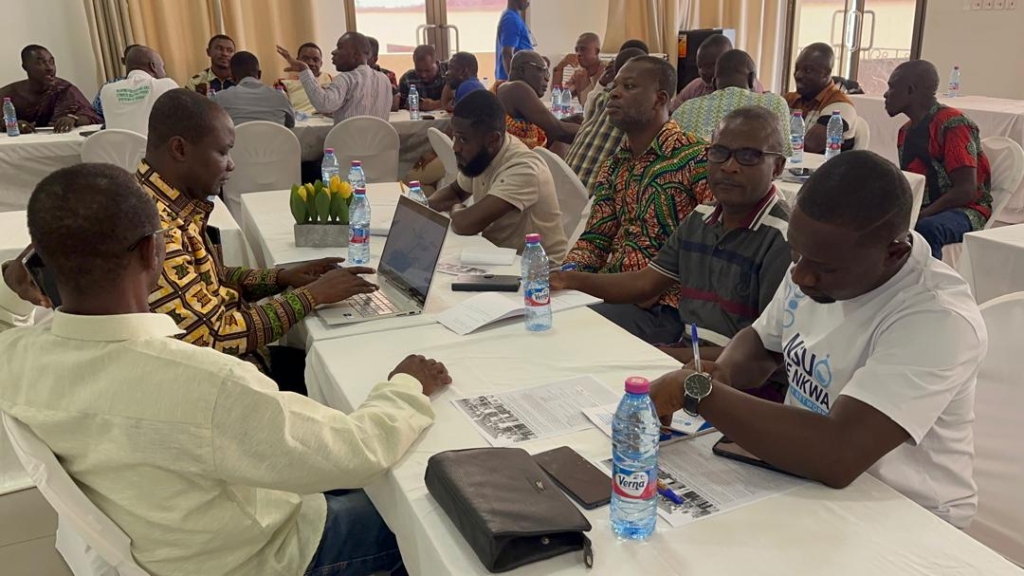
IRC Ghana, in collaboration with the Ahafo Regional Coordinating Council (RCC), and with funding from the Conrad N. Hilton Foundation, convened a Regional Learning Alliance Platform (RLAP) to validate a new draft Operation and Maintenance (O&M) Framework at Goaso.
The strategic document, developed in technical consultation with the Department of Civil Engineering at KNUST, serves as a blueprint to strengthen district Water, Sanitation, and Hygiene (WASH) master plans and move service providers toward a model of sustainable management for rural and small-town water systems.
The urgency of the framework is underscored by the United Nations Sustainable Development Goal 6, which aims for universal access to safe water by 2030, coupled with recent data from the WHO/UNICEF Joint Monitoring Program, which indicates that approximately 2 billion people globally still lack safely managed drinking water services.
In rural areas specifically, the challenge is acute, as nearly 30% of hand-pumps in Sub-Saharan Africa are estimated to be non-functional at any given time due to a lack of maintenance.
Experts suggest that without a radical shift from reactive repairs to proactive asset management, the infrastructure gap between urban and rural populations will continue to widen.
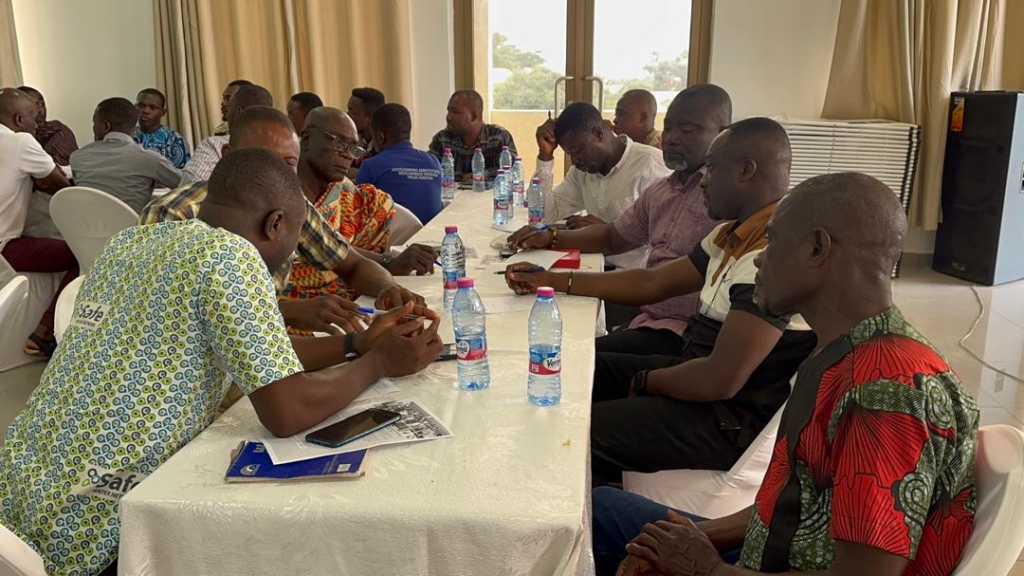
A Water Expert with IRC Ghana, Jeremiah Atengdem, emphasised during the meeting that while the Ahafo region has successfully expanded physical access to water, sustainability remains the primary risk to these investments.
He noted that systems frequently fail when oversight, finance, and monitoring are weak. The new framework is designed to address these specific vulnerabilities by tackling reactive maintenance habits, limited spare parts supply chains, and unclear institutional roles.
By providing a regional approach, the framework aims to protect multi-million dollar investments and ensure that water continues to flow long after the initial construction phase is complete.
The technical core of the framework rests on four interconnected pillars identified by regional leaders: governance, finance, technical systems, and monitoring.
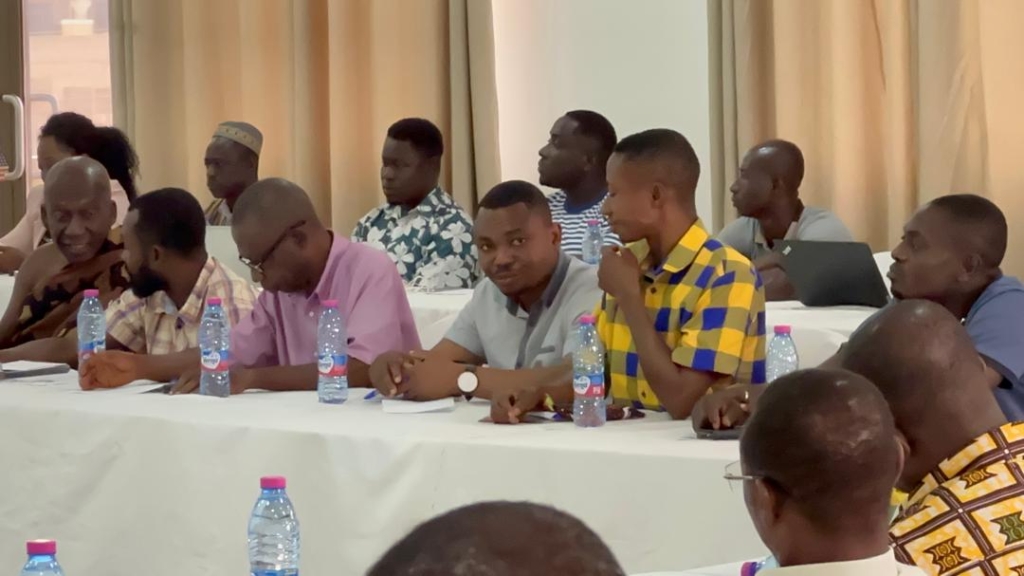
The Ahafo Regional Development Planning Officer, Jacob Adade Ntiamoah, cautioned that the failure of any single pillar weakens the entire service delivery chain. When these elements work in harmony, the result is a reliable water supply, improved water quality, and strong financial accountability.
A Senior Lecturer at the Department of Civil Engineering, KNUST, Dr Eugene Appiah-Effah, further noted that the framework provides the structured approach necessary for small-town systems to achieve both technical reliability and financial independence.
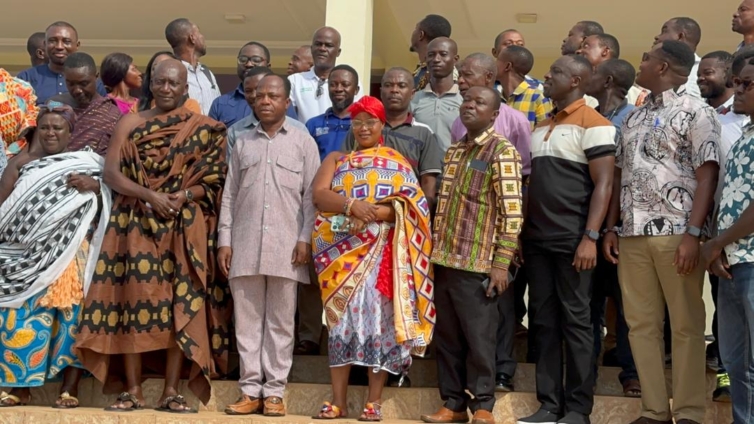
The validation session brought together a broad coalition of stakeholders, including the Community Water and Sanitation Agency (CWSA), traditional leaders, and representatives from the various districts and municipalities in the region.
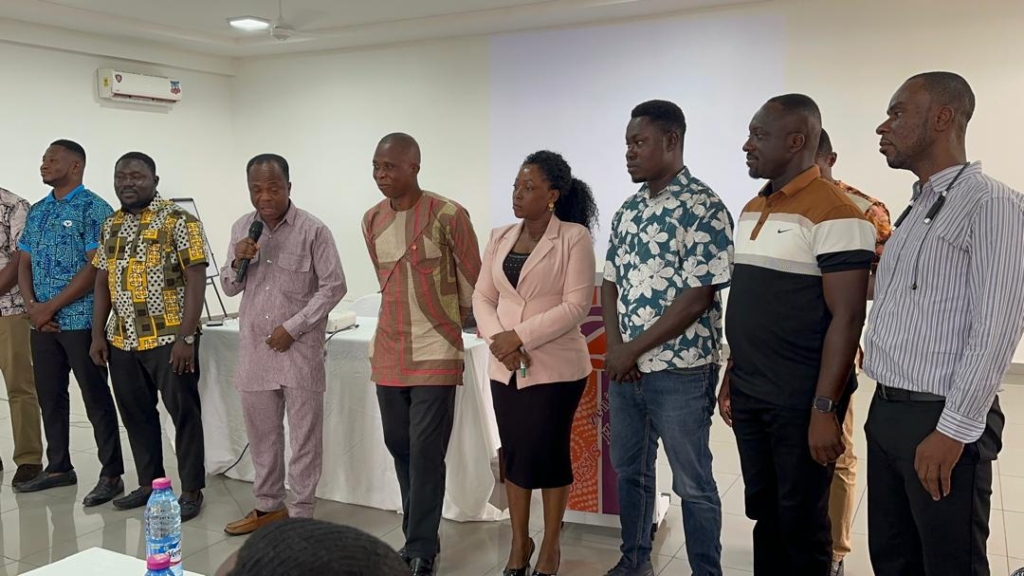
Partner institutions such as World Vision Ghana, Safe Water Network, Netcentric Campaign, SAHA Global, Easy Water for Everyone, Project Maji and the Aquaya Institute also contributed to the document.
As the region looks toward the 2030 deadline for universal coverage, officials stressed that while the goal is achievable, it requires the sustained resilience of all stakeholders to turn these policy guidelines into a daily reality for rural communities.
Latest Stories
-
Mahama reaffirms commitment to private investment and industrial growth
2 minutes -
‘We have been used and dumped’ – NDC’s James Agbey warns over grassroots neglect
11 minutes -
Ghana defender Marvin Senaya begins training ahead of comeback
14 minutes -
Joyce Bawah Mogtari urges women leaders to build strong support networks
31 minutes -
Bawumia engages GUTA over import duties, VAT and rising business costs
32 minutes -
Fuel prices begin to fall as Star Oil cuts petrol to GH¢16.45
33 minutes -
GoldBod supplies banks with US$282m in weekly forex sales
34 minutes -
Joyce Bawah Mogtari says Obaasima Conference should help women connect and learn
35 minutes -
Ghana’s Crude Oil Production Rebounds by 30% After Five Years of Decline
55 minutes -
Nzema East launches Responsible Cooperative Mining Programme to tackle environmental destruction
1 hour -
Ghana included in WHO lead-testing programme as questions remain over local exposure risks
1 hour -
2026 Amputee World Cup: We will win the trophy – Samson Deen
1 hour -
Controller and Accountant-General pays promotion arrears to 56,003 GES teachers ahead of deadline
1 hour -
2026 Amputee World Cup: We want to make the continent proud – Black Challenge coach
1 hour -
International Day of the Girl: Central Region Education Directorate calls for action to tackle child marriage, teenage pregnancy
2 hours