

Audio By Carbonatix
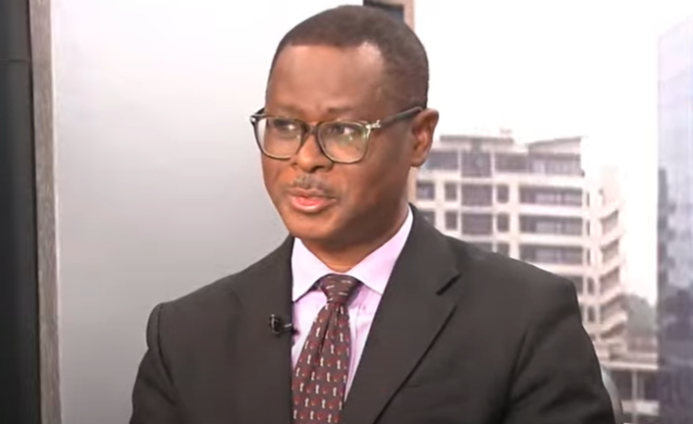
Private legal practitioner Martin Nwosu has advised lawyers to encourage clients who are seeking justice to use Alternative Dispute Resolution (ADR), especially in amenable cases.
Alternative dispute resolution, or external dispute resolution, typically denotes a wide range of dispute resolution processes and techniques that parties can use to settle disputes, with the help of a third party.
This form of dispute resolution does not encourage the use of litigation or trial in resolving conflicts.
Speaking on The Law on JoyNews, Mr Nwosu explained that it takes three to six months for people to appear before a court after filing a case.
However, an ADR process can take days to solve these cases without interested parties going through rigorous court procedures.
“We are inviting lawyers whom parties would consult to now do some due diligence. The parties would say ‘lawyer take this case to court I am sick and tired I want to punish the other party’.”
“But it is up to the lawyer to tell the client these days it is not every matter that should go to court. ‘If I should take this matter to court after some time the court will tell me to go to mediation, so why don't we look for some of these private mediators’.”
He explained that in many cases parties can easily resolve their issues if they are able to sit together, talk and sort through their differences to arrive at a conclusion.
“The resolution (in ADR) is effective, binding and can be executed through a court process, if the case is amenable please don't go spend time going through the due process only for the court after six months to refer you.”
Mr. Nwosu also noted that whereas there are several forms of alternative dispute resolution, the easiest to access is customary arbitration.
In customary arbitration, he explained that, parties involved in the dispute only need to select a customary arbitrator to mediate their dispute negotiations.
This person is often one both parties revere and has confidence in his or her judgement, for instance, an Abusuapayin.
“If you look at the law, it makes it very very easy for parties in dispute to appoint a customary arbitrator. In fact, the simple qualification for a customary arbitrator is the person agreed to by the two disputants to help resolve their problem,” Mr. Nwosu said.
“You don’t need a degree in law; you don’t need to be a mediator, once the parties have some confidence in you that you can help them that’s it,” he added.
The private legal practitioner stressed that the resolution reached through customary arbitration is binding by law and can be enforced by a court.
Latest Stories
-
Ghana to honour Christina Hammock Koch for historic Artemis II mission
2 minutes -
Supreme Court appointments require more than 15 years’ experience – Justice Adjei-Frimpong
19 minutes -
Fire destroys 3-bedroom house at Bogyawe
42 minutes -
Why the Supreme Court is a “policy court” – Justice Richard Adjei-Frimpong breaks it down
47 minutes -
Playback: The Law discussed Supreme Court @150
2 hours -
MTN Momo staff walk to promote wellness and fitness
2 hours -
Assafuah: Sedina Attionu’s return from Nevada will test government’s commitment to accountability
2 hours -
How GRA’s Modified Taxation Scheme is boosting revenue compliance & SMEs competitiveness
3 hours -
Stonebwoy Can Do It: A call to unite behind 2026 BHIM Fest
3 hours -
World Shea Expo returns to Tamale for 2026 edition
3 hours -
Prioritise cocoa sector with better prices, timely payments-Annoh-Dompreh urges NDC
3 hours -
Lands and Mines Watch Ghana endorses Heath Goldfields’ mining capacity
4 hours -
Gbintiri residents protest alleged diversion of 24-hour market project
4 hours -
Justin Bieber headlines Coachella with nostalgia-fuelled set
4 hours -
Ukraine and Russia accuse each other of hundreds of ceasefire violations
4 hours