

Audio By Carbonatix
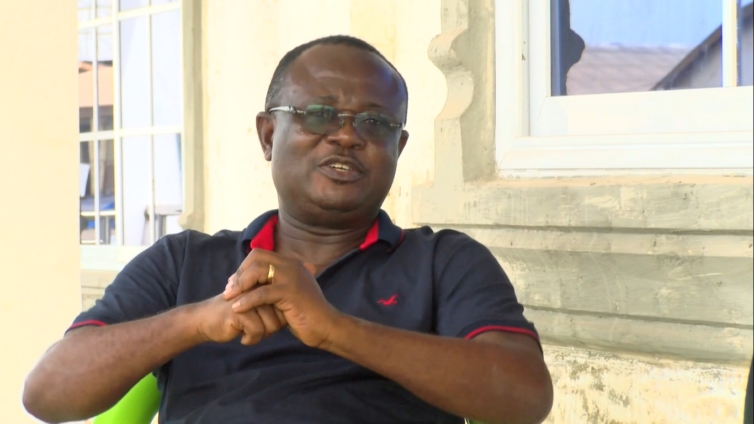
The immediate past First Deputy Speaker of Parliament and Chairman of the Appointments Committee, Joseph Osei Owusu, has expressed concerns over the demeanour of his successor during committee proceedings.
In an interview on Joy News’ Upfront on Thursday, January 16, he described Bernard Ahiafor’s approach as unnecessarily aggressive and contrary to his own style of leadership.
“I haven’t even watched any of the proceedings,” Osei Owusu said, “but I’ve seen, in a particular case, somebody forwarded to me, that my friend chairman was needlessly raising his voice and showing a tendency to show machoism.”
He added, “My style is different. We are all colleagues, and our duty is to ensure that the person qualifies in accordance with the Constitution and that he can do the work he has been nominated to do.”
The former chairman stated that his approach to leadership on the Appointments Committee was rooted in professionalism and collaboration.
“I was a bit surprised to see how hard-faced the chairman of the committee was addressing one of the members of the committee. That is not my style,” he stated.
Responding to comments about his own tenure as chairman, Mr Osei Owusu acknowledged his strict adherence to rules but dismissed claims that he lacked flexibility.
“I believe strongly in the rules. I believe strongly in law and order. So if you’re going off board, I’ll bring you back,” he explained.
“I insist that you ask your question. You cut down on the comments before the question.”
Reflecting on his methods, he attributed his no-nonsense approach to his legal background.
“Probably from my experience as a lawyer, I make sure that the question is straight to the point. I don’t like going through the bush before you come to the main road,” he said.
“In the end, people spend five minutes on commentary and ask a one-minute question. Sometimes, they answer the question before they ask it. Those are the kinds of things I tried to avoid.”
While Mr Osei Owusu stopped short of issuing direct advice to Mr Ahiafor, his critique hinted at the need for a more measured and collegial approach.
He underscored that the role of the committee is to ensure nominees are constitutionally qualified and capable of performing their duties, not to engage in unnecessary confrontations.
The remarks have drawn attention to the contrasting leadership styles within the Appointments Committee, highlighting the challenges of balancing adherence to rules with effective communication and decorum.
Latest Stories
-
National Sports Fund needs strong leadership from the top – Administrator David Wuaku
4 minutes -
JoySports Exclusive: Steve McLaren in talks with GFA after expressing interest in Black Stars job
10 minutes -
Fire guts auto parts warehouse at Bubuashie, one fire officer injured
16 minutes -
I owe my victory to coach Ofori Asare – Allotey after winning WBA Africa Gold Super Flyweight belt
20 minutes -
Church of Pentecost supports over 2,000 BECE candidates in Obuasi with career guidance seminar
2 hours -
Brandon Asante and Coventry all but promoted to Premier League despite Sheffield Wednesday draw
2 hours -
GPL 2025/26: Late Kwartemaa strike downs Hearts in Tema
2 hours -
Ghana Faces Sierra Leone Moment as Prosecutorial Powers come under strain
3 hours -
Don’t consume fish or seafood from Tema Shipyard until further notice – FDA warns
3 hours -
Why volunteering might be Africa’s most underrated career accelerator
3 hours -
ActionAid Ghana raises concern over gender gaps in Feed Ghana Programme
3 hours -
Windstorm wreaks havoc in Gushegu, displacing nearly 2,000 residents and damaging schools
3 hours -
Friends of Bridget Bonnie Marks her 35th birthday with donation to Kasseh Model Health Centre
4 hours -
From Ekumfi Kokodo to the Pulpit Stage: Essi Donkor’s gospel journey takes shape
4 hours -
Landfilling waste management creates no value, it’s an economic waste
4 hours