

Audio By Carbonatix
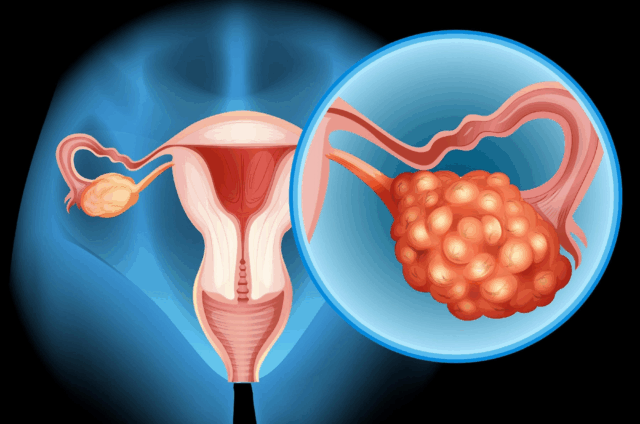
Ovarian cancer has been described as a “silent killer” because it often goes unnoticed until it reaches an advanced stage, according to Obstetrician-Gynecologist, Professor Samuel Antwi Oppong.
Speaking on Joy FM’s Super Morning Show on Thursday, October 23, as part of Joy Cancer Awareness Month, Prof Oppong explained that early symptoms of ovarian cancer are often mistaken for common illnesses, making early diagnosis difficult.
“Unlike some cancers that show early signs and can be treated quickly, ovarian cancer is usually diagnosed late because the early symptoms mimic everyday ailments. By the time the diagnosis is made, it is often too late, and the outcome is not good,” he said.
He added that even in advanced countries, detecting ovarian cancer early is a challenge unless doctors have a high level of suspicion based on a patient’s risk factors or medical history.
Prof Oppong explained that the ovary plays a key role in a woman’s reproductive system producing eggs and hormones from puberty until menopause. However, he said the ovary can develop different types of cancers because it contains several kinds of cells, each capable of forming tumours.
Citing studies from the Korle Bu Teaching Hospital, he noted that ovarian cancer is the third most common gynaecological cancer in Ghana, after breast and cervical cancer.
“There is no direct known cause of ovarian cancer,” he said. “However, family history plays a major role. About 15% of cases are hereditary, while the rest occur randomly without any family connection.”
According to him, women who have never had children or have had fewer pregnancies are at a higher risk of developing the disease. “Pregnancy and breastfeeding protect the ovary because they allow it to rest. Women who do not breastfeed have a slightly higher chance of getting ovarian cancer,” he explained.
He also mentioned that oral contraceptives and sterilisation can lower the risk of ovarian cancer, while women undergoing fertility treatments may have a slightly increased risk.
Prof Oppong urged women to pay attention to their family history and not ignore persistent symptoms.
“Some of the early signs include bloating, excessive belching, heartburn, feeling full after eating small amounts of food, and unexplained weight changes,” he noted. “A woman may also notice her abdomen getting larger for no clear reason or experience constant abdominal pain.”
As the disease advances, patients may struggle with constipation, vomiting, breathlessness, and fluid buildup in the abdomen or lungs, he warned.
He advised that women experiencing persistent digestive symptoms should request to see a gynecologist rather than repeatedly visiting general practitioners.
“If you’ve been treated for gas or heartburn and it doesn’t go away, see a gynecologist. They are more likely to think about ovarian cancer and investigate it properly.”
He urged listeners that ovarian cancer can affect both younger and older women, though it is more common before menopause.
“There are also some types of ovarian cancers that occur in young people, typically below 25 or 30 years. Those types don’t have the usual risk factors I have mentioned. They often start from different cell lines within the ovary,” he explained.
He added that while these forms are less common, awareness is still crucial.
“It’s important to know your family history, take note of unusual symptoms, and seek medical help early. Awareness and early attention can save lives,” he said.
Latest Stories
-
Church of Pentecost supports over 2,000 BECE candidates in Obuasi with career guidance seminar
34 minutes -
Brandon Asante and Coventry all but promoted to Premier League despite Sheffield Wednesday draw
56 minutes -
GPL 2025/26: Late Kwartemaa strike downs Hearts in Tema
1 hour -
Ghana Faces Sierra Leone Moment as Prosecutorial Powers come under strain
1 hour -
Don’t consume fish or seafood from Tema Shipyard until further notice – FDA warns
1 hour -
Why volunteering might be Africa’s most underrated career accelerator
1 hour -
ActionAid Ghana raises concern over gender gaps in Feed Ghana Programme
1 hour -
Windstorm wreaks havoc in Gushegu, displacing nearly 2,000 residents and damaging schools
1 hour -
Friends of Bridget Bonnie Marks her 35th birthday with donation to Kasseh Model Health Centre
2 hours -
From Ekumfi Kokodo to the Pulpit Stage: Essi Donkor’s gospel journey takes shape
2 hours -
Landfilling waste management creates no value, it’s an economic waste
3 hours -
Photos: Speaker Bagbin Commissions MPs constituency office under parliamentary decentralisation programme
3 hours -
Black Stars technical advisor Winfried Schäfer sacked as GFA shakes up backroom staff
3 hours -
Wenchi water project almost complete, critical to gov’t agenda – GWL MD
3 hours -
Anti-LGBTQ+ bill not part of government’s legislative agenda – Inusah Fuseini
3 hours