

Audio By Carbonatix
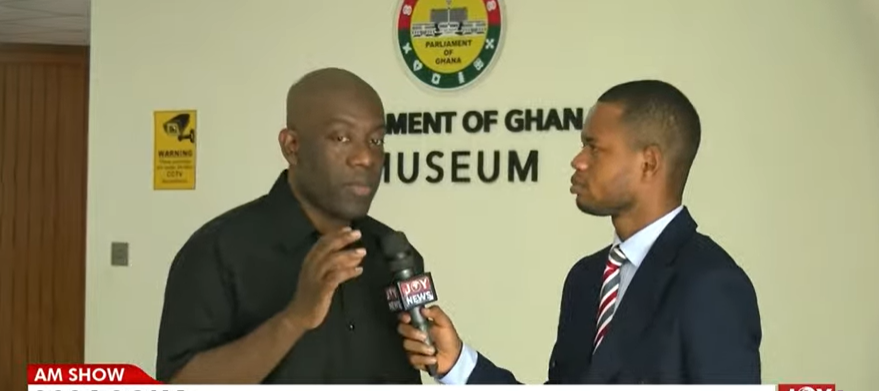
The Member of Parliament for Ofoase Ayirebi, Kojo Oppong Nkrumah, says as many as six million Ghanaians could be affected by what he describes as poor cocoa trading and monetary policy decisions under the current administration.
According to him, when farm hands and dependants are taken into account, roughly four million people could be impacted by decisions affecting the cocoa sector alone.
Speaking on JoyNews on 27 February, the former Information Minister defended the Minority’s strong focus on cocoa, arguing that its significance to Ghana’s economy cannot be downplayed.
“For those who do not understand the role cocoa plays in the Ghanaian economy, they will downplay this issue,” he said. “Cocoa is a major driver of employment and job creation in the economy. About one million people are directly involved as cocoa farmers.”
However, he stressed that the impact extends beyond cocoa farmers. Rice and maize farmers, he said, are also struggling under the current monetary policy regime.
“They have borrowed money, they have produced rice, they’ve milled rice, but now imported rice is cheaper than locally produced rice,” Mr Oppong Nkrumah noted, adding that many farmers are falling into debt and are uncertain about returning to their farms next season.
Taking the agriculture sector as a whole, he argued that between five and six million Ghanaians may be feeling the strain of what he termed “bad policy decisions”.
The MP also pointed to rising production costs in the manufacturing sector, particularly electricity tariffs, which he claims have increased by at least 24 per cent for many producers.
He further questioned the government’s approach to inflation management, citing the sterilisation of GH¢62 billion in 2025 as an example of measures that may reduce headline figures but fail to reflect everyday realities.
“You may measure it and say inflation is at 3.8 per cent year on year, but the average Ghanaian will tell you that it is becoming difficult for them to buy,” he said.
His comments come at a time when debates over inflation, exchange rate management, utility tariffs and support for key sectors such as cocoa continue to dominate national discourse.
Mr Oppong Nkrumah maintained that the Minority’s position is rooted in solidarity with farmers, producers and the middle class, whom he says are bearing the brunt of current economic policies.
Latest Stories
-
Kosmos Energy, Eni, TotalEnergies and AGL Win Big at African Energy Awards
5 seconds -
Government secures financing to fix water shortages in Tamale, Yendi and Damongo
25 minutes -
NSA extends 2026/2027 National Service registration deadline to October 23
54 minutes -
Mahama reaffirms commitment to private investment and industrial growth
1 hour -
‘We have been used and dumped’ – NDC’s James Agbey warns over grassroots neglect
1 hour -
Ghana defender Marvin Senaya begins training ahead of comeback
1 hour -
Joyce Bawah Mogtari urges women leaders to build strong support networks
2 hours -
Bawumia engages GUTA over import duties, VAT and rising business costs
2 hours -
Fuel prices begin to fall as Star Oil cuts petrol to GH¢16.45
2 hours -
GoldBod supplies banks with US$282m in weekly forex sales
2 hours -
Joyce Bawah Mogtari says Obaasima Conference should help women connect and learn
2 hours -
Ghana’s Crude Oil Production Rebounds by 30% After Five Years of Decline
2 hours -
Nzema East launches Responsible Cooperative Mining Programme to tackle environmental destruction
2 hours -
Ghana included in WHO lead-testing programme as questions remain over local exposure risks
2 hours -
2026 Amputee World Cup: We will win the trophy – Samson Deen
2 hours