

Audio By Carbonatix
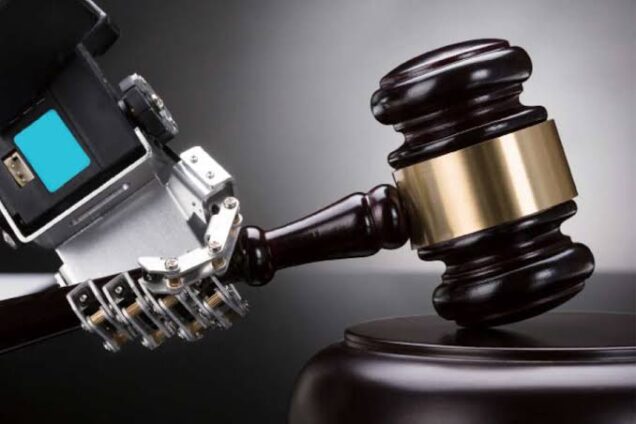
The Judicial Service of Ghana is set to roll out an artificial intelligence-powered judicial assistant across the country, in what is being described as one of the most significant technology integrations in Africa’s justice system.
The initiative, developed through a partnership between Kwame AI and the Judicial Service, will see all 445 judges and magistrates equipped with an AI tool known as Eskwai Clerk to support legal research, document analysis and drafting of rulings and judgments.
Kwame AI says the platform is designed to improve efficiency in the courts and help reduce delays in case processing, while maintaining full human oversight in judicial decision-making.
According to the company, the system will provide judges with faster access to legal resources and assist in managing the growing caseload in Ghana’s courts, where a limited number of judicial officers serve a population of more than 35 million people.
The company noted that Ghana’s judge-to-population ratio is significantly higher than that of countries such as Canada and the United States, contributing to pressure on the justice system.
Co-founder of Kwame AI, Jojo Boateng, said the partnership aligns with efforts to improve efficiency in justice delivery through technology.
He explained that the initiative also builds on earlier collaboration with the Legal Aid Commission aimed at strengthening access to justice through artificial intelligence tools.
Chief Justice Paul Baffoe-Bonnie described the rollout as a major step toward a more efficient judiciary, stressing that technology should complement human expertise rather than replace it.
“Embracing technology within our judicial processes transcends mere efficiency; it is fundamentally about ensuring that justice is both accessible and expeditious for all citizens of Ghana,” he said.
He added that the introduction of the Eskwai Clerk represents a transformative step toward a modernised judiciary where technology supports the rule of law.
Under the programme, judges and magistrates are expected to undergo training to ensure responsible use of the AI system, which will function strictly as a support tool rather than a replacement for judicial discretion.
Latest Stories
-
Ho Central Mosque reopens amid unresolved leadership dispute that led to closure
28 minutes -
Minority caucus questions GH¢16.4m in Ablakwa’s SA evacuation spending, demands independent audit
37 minutes -
Gender Ministry meets Nana Akua Addo’s husband over domestic violence after hospital discharge
2 hours -
UG Vice-Chancellor urges swift operationalisation of National Research Fund
2 hours -
Pope Leo to have surgery after lump found in lung
2 hours -
Joseph Cudjoe writes: Ghana must break free from the dangerous mindset that natural resources are the foundation for wealth
2 hours -
Children among 109 dead after boat capsizes off Djibouti, UN says
2 hours -
OmniBSIC Bank’s 11th health walk promotes fitness and business growth
3 hours -
2026 World Maritime Day: Danish Embassy organises “The Gulf of Guinea Speaks”
3 hours -
New Economy will tackle unemployment and restore hope – Ato Forson
3 hours -
IMMILAC president recounts personal losses as security women lead breast cancer awareness campaign in Wa
3 hours -
University of Ghana postpones October 12 reopening as GAUA strike persists
3 hours -
Bahass Foundation launches vocational skills training to support mental health recovery in Wa
4 hours -
NPP orders parliamentary aspirants and their supporters to suspend campaign activities
4 hours -
Techiman unites against child marriage: Joy Impact Makers Awardee leads charge on International Day of the Girl Child
5 hours