

Audio By Carbonatix
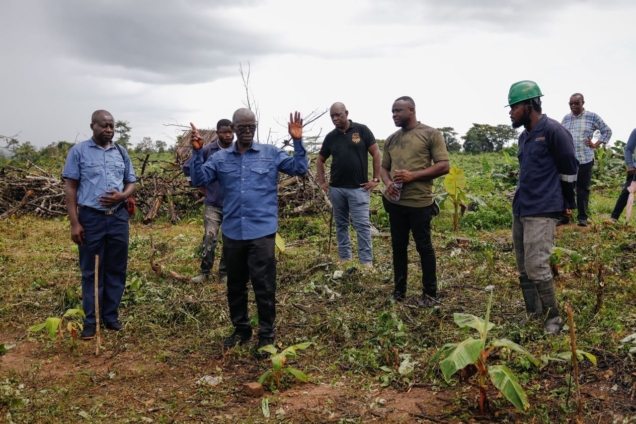
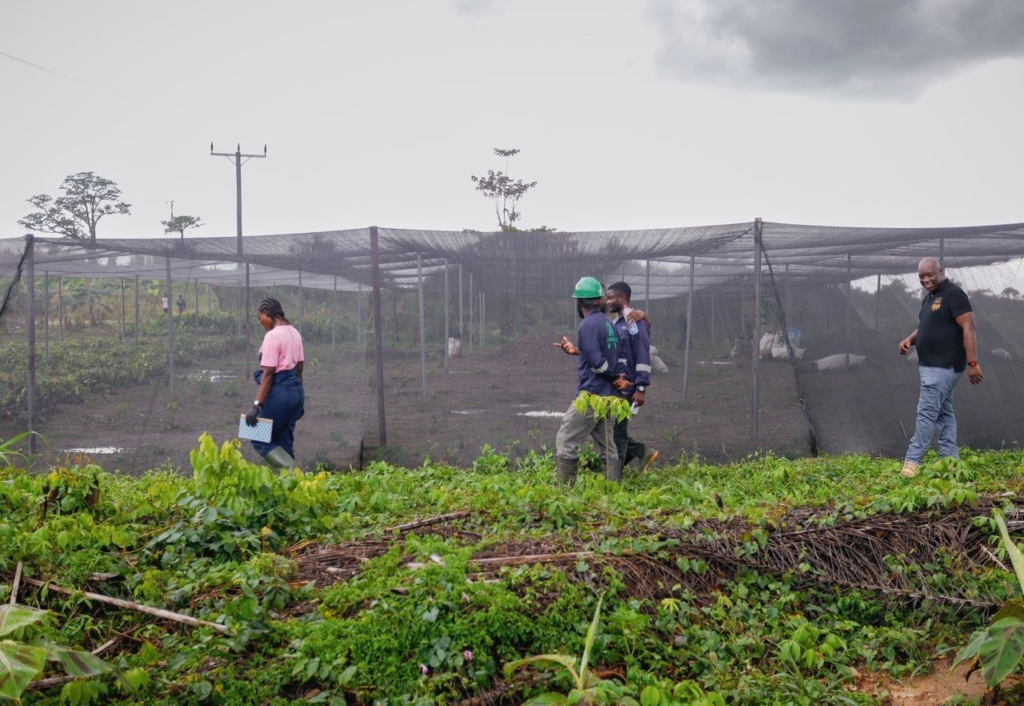
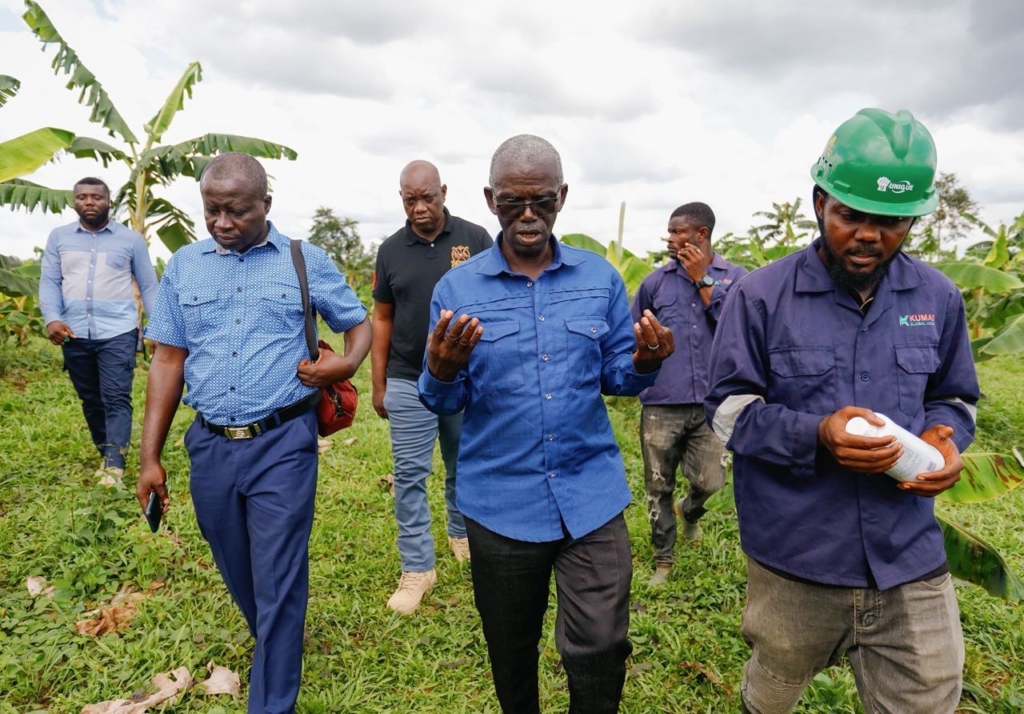
Cocoa seedlings require a lot of attention. That’s what farm manager Alex recently confirmed when I visited the farm he has nurtured close to Mankessim in the Central Region to introduce the water retainer, a premium soil conditioner. He walked me through the young plants — explaining shade control, watering discipline, soil nutrition and pest management.
“Sir, if you neglect them at this stage,” he said, “you lose the future harvest.”
It struck me that cocoa policy is no different from cocoa seedlings.
It requires careful nurturing.
Government, led by the Hon. Cassiel Ato Forson, has announced that from the 2026/2027 season, 50% of Ghana’s cocoa beans must be processed locally, alongside reviving PBC and CPC.
On paper, this is bold. Ghana remains the world’s second-largest cocoa producer after Côte d’Ivoire. For decades, we have exported raw beans and imported finished chocolate at a premium.
Value addition at home is the right ambition.
But like seedlings, policy must survive real conditions.
Processing 50% locally works only if three realities align.
First, processors must buy beans at competitive prices. Otherwise, we may as well just sell the beans to other willing buyers. Yet if they purchase at high domestic prices but sell into competitive global markets, margins shrink and factories struggle. So at what price do we sell the beans to processors? And at what price will we sell the processed cocoa?
Second, global buyers must prefer Ghana’s processed cocoa — even if it costs more — over simply buying cheaper raw beans from other producing countries. Nations like Nigeria, Cameroon, Ecuador and Indonesia produce cocoa, in some cases at lower cost. Multinationals optimise for price, logistics and efficiency — not patriotism.
If it is cheaper for a European or Asian manufacturer to import raw beans elsewhere and process them at home, our processing journey suddenly becomes commercially fragile.
Third, will the government act as market maker? Will it secure structured offtake agreements for processed cocoa same as it does for the beans? and will it support export marketing and provide working capital guarantees to processors?
Processing is not transformation unless it is profitable and globally competitive.
Alex’s seedlings reminded me: growth requires consistent care, discipline and market awareness.
If we nurture this policy with pricing realism, productivity improvements and global market alignment, Ghana will move from beans to bars sustainably and successfully.
Bold policy is good.
Sustained competitiveness is even better.
Latest Stories
-
$600m tomato imports undermining Ghana’s economy — Chamber of Agribusiness
38 minutes -
Rainstorm wreaks havoc: Faulty transformers, feeder failures leave parts of 3 regions without power
46 minutes -
CUTS International calls for urgent competition law amid sachet water price hikes
1 hour -
‘I never did this advert’, AI clones hijack Ghanaian identities for profit
2 hours -
25-year-old woman battles trauma after surviving deadly Nkwanta attack
2 hours -
Vice President honoured at Tortsogbeza as South Tongu leaders highlight development needs
2 hours -
Kwahu Business Forum 2026: Corporate citizenship, sustaining African businesses take centre stage with KGL as the case study
3 hours -
Trump seeks $152m to reopen notorious Alcatraz prison
6 hours -
Ex-Chelsea player Oscar retires with heart issue
6 hours -
CA Foundation drives constitutional literacy in Kpone Katamanso municipality
6 hours -
GPRTU to hold talks with Transport Ministry over rising fuel costs
6 hours -
CUTS International urges gov’t to halt sachet water price hike pending cost review
6 hours -
Chief Justice: Efficient Judiciary essential to reducing business costs
6 hours -
Bayern grabs 99th-minute winner to cap superb fightback
6 hours -
Ahmed Ibrahim urges Ghanaians to reflect Easter values in nation-building
6 hours