

Audio By Carbonatix
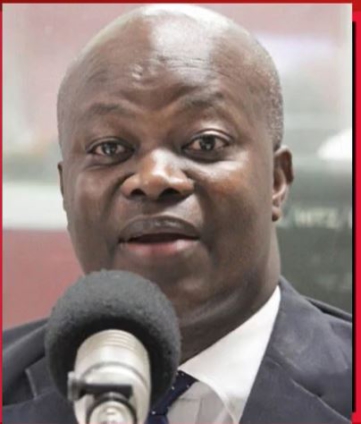
Chief Executive Officer of the National Ambulance Service, Prof Ahmed Nunhu Zakariah, has intimated that lack of proper arrangements with paramedics possibly caused the death of a 12-year-old boy who died at the Bator Catholic hospital.
The deceased is alleged to have met his untimely death last Friday at about 10:05 pm after failed efforts to get him transferred to another hospital.
According to reports from MP for Ningo Prampram, Sam George, the boy was admitted at the Bator Catholic Hospital where he was initially receiving treatment but needed to be transferred since his condition was deteriorating.
But attempts to secure an ambulance and delays in transporting the child to the 37 Military Hospital eventually led to his death.
Clarifying matters on the Super Morning Show Monday May 17, Prof Zakariah explained that due to limited spaces and very few referral centers in the country, prior to the transfer of a patient, healthcare providers at the hospital where the patient is receiving treatment should contact their colleagues in the other facilities to discuss the case and ensure that there's a bed, a healthcare provider who will attend to the patient and the expertise needed for treatment is also available.
This, he further explained will prevent instances where patients and their families will be left traumatised and stranded at the hospital.
"The referral policy is such that (unless the patient is picked from the street or from the home) in an emergency situation, once a patient is already at the hospital, and some form of care is being given, arrangements must be made before that patient can move," he said.
"There's no need to rush the patient from where he's receiving care to another place if one will be confronted with a situation where the patient will spend a lot of hours in the ambulance without care," he added.
He, further, bemoaned the lack of bed space at various hospitals, blaming the situation on the growing population of the country and the Covid-19 pandemic.
"The reality is that the population is growing and the health infrastructure is not really growing at the same rate to be proportional.
He added that these concerns are part of challenges that need to be addressed to ensure that the country has a robust healthcare system.
Latest Stories
-
Ghana’s academic calendar in best shape in a decade – Education Minister
8 minutes -
‘I don’t expect preferential treatment for me, my party or gov’t’ – Mahama to new EC deputies
10 minutes -
Mahama tasks new EC Deputy Chairpersons to protect electoral integrity
11 minutes -
Police arrest officer after shooting injures 2 at Ritz Junction
12 minutes -
‘Delete, retract, apologise’ – Agyinasare urges Ghanaians to take responsibility for misinformation
12 minutes -
Saudi minister vows ‘serious response’ to Houthi attacks on airports
35 minutes -
When dialogue fails and strikes speak: Is industrial action the only language government understands?
41 minutes -
Ghana launches Social Protection Act regulations and Affirmative Action Gender Equity Regulations
42 minutes -
Mahama swears in Emelia Afi Agbenyo, Joseph Kwaku Asamoah as EC Deputy Commissioners
52 minutes -
Wetland communities in Northern Ghana face a hotter, flood-prone future as climate risks intensif
54 minutes -
Sam George tasks KNUST to develop Twi AI model as Ghana plans local-language artificial intelligence
57 minutes -
Poor roads choking eco-tourism potential – Avatime Paramount Chief cries out
1 hour -
DVLA records GH¢25 million surplus in 2025 as contributions to state funds reach GH¢98.1 million
1 hour -
Over 10 suspected scam centre kingpins arrested and remanded – CSA
1 hour -
Ministers, CEOs, policymakers to grace 7th Africa Public Sector Conference in Accra
1 hour