

Audio By Carbonatix
In recent days, Ghana's social media and news platforms have been ablaze with a troubling video: a heated, public exchange between the Honourable Minister for Health and a Head of Department (HOD) at one of our nation’s hospitals.
Captured and circulated widely, the footage paints a deeply uncomfortable picture of a nation grappling with serious healthcare failings — and leadership responding, not with composed and systemic action, but with populist drama.
As a Mental Health Practitioner and Social Worker based in the UK, I believe this incident calls for serious reflection on how Ghana addresses urgent healthcare concerns.
Beyond the immediate outrage, it forces us to confront a deeper truth: systemic problems cannot be solved by public altercations. They require structure, process, and leadership grounded in professionalism.
Public Drama vs. Systemic Change
While the frustration that often accompanies challenges in our health sector is understandable, public confrontations between leaders are neither professional nor effective in solving systemic problems. When patient welfare is at stake — as it appears in this case — the appropriate response must be formal, structured, and designed to ensure transparency, accountability, and sustainable improvement.
Ghana’s healthcare system currently lacks robust frameworks for ensuring systemic accountability. There is no entrenched safeguarding culture, no mandatory serious incident reporting system, and no independent public health ombudsman with authority to investigate and enforce improvements. Until these gaps are addressed, political gestures, however well-meaning, will be mistaken for real reform — a dangerous misconception that ultimately erodes public trust.
A Better Way Forward: Formal Inquiry Over Public Outrage
Instead of public confrontation, a formal inquiry should have been initiated. Such an inquiry would involve not just the Ministry of Health but healthcare professionals, social workers, regulatory bodies, and where necessary, law enforcement. Crucially, the patient’s family or advocates must be part of the process to ensure that investigations are comprehensive and compassionate.
Additionally, independent risk assessments should be conducted, ensuring that lessons are learned and preventive measures are implemented to protect future patients. This is how mature healthcare systems respond: not with performance, but with professionalism.
Building a Future of Safety and Accountability
Looking to the future, I respectfully propose that Ghana establish a National Patient Safety and Safeguarding Authority — an independent body with the following mandates:
- Conduct impartial investigations into serious incidents across the healthcare sector.
- Mandate institutional learning and improvements following deaths or failures in care.
- Protect whistle-blowers and foster a culture of internal reporting.
- Ensure families are treated with dignity and actively involved in all inquiries.
- Publish transparent annual reports to Parliament and the public.
- Embed safeguarding leadership training at every level of healthcare management.
This authority would be crucial in creating a system where safeguarding is a fundamental priority rather than an afterthought.
From Public Outrage to Public Systems
What Ghana needs is not more anger or public shaming, but a cultural shift in how we govern healthcare:
- From blame to learning.
- From outrage to accountability.
- From public performance to sustainable, systemic reform.
True leadership in healthcare is not about emotional displays or political points scored on camera. It is about building sustainable systems that protect all citizens, regardless of political winds.
Real care does not perform for the cameras. It builds lasting institutions.
Ghana deserves a healthcare system built on transparency, justice, and genuine protection for its people. The dead deserve dignity. The living deserve a system they can trust — today, tomorrow, and for generations to come.
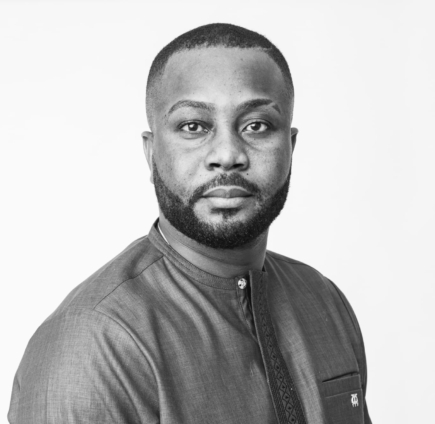
Christian Aboagye is a Mental Health Practitioner and Social Worker based in the United Kingdom.
Latest Stories
-
I have supported highway authority financially to fix roads in my constituency – A Plus
53 minutes -
US, Iran fail to reach peace agreement after marathon talks in Pakistan
1 hour -
ECG kicks off Phase Two of transformer upgrades at Lashibi; brief outages expected
2 hours -
Port crises loom as 11,000 drivers threaten four-day strike
3 hours -
A source of excellence across generations – Vice President Opoku-Agyemang lauds Mfantsipim
4 hours -
(Photos) Mfantsipim School launches historic 150th anniversary
4 hours -
Knights and Ladies of Marshall group backs Catholic Bishops’ stance on anti-LGBTQ+
5 hours -
Bright Simons writes: All the Filla in the Ibrahim Mahama/E&P – Gold Fields Saga
5 hours -
Monetise Idiocy In Ghana
5 hours -
The Ghanaian prophet and the mysterious death of his scottish wife Charmain Speirs
6 hours -
Nearly 400 sentenced in Nigeria for links to militant Islamists
7 hours -
Ghana’s recovery supported by gold strength despite global oil price pressures – Standard Bank Research
7 hours -
Methodist Church hails Mfantsipim@150; calls for “fresh consecration” to excellence
7 hours -
‘Excellence is our inheritance’ – Nana Sam Brew-Butler hails Mfantsipim’s 150-year reign in leadership
7 hours -
Kwaku Azar writes: A-G vs OSP
7 hours