

Audio By Carbonatix
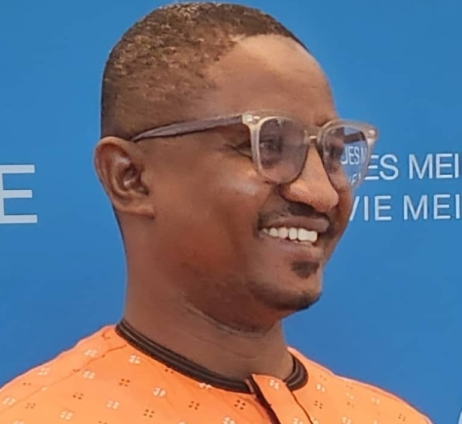
Dr. Wadood Moomen, a Senior Lecturer at the School of Mines, University of Energy and Natural Resources, is advocating for the introduction of mandatory teaching and military training for national service personnel.
According to him, the effective implementation of this initiative could help address issues of graduate unemployment and the shortage of personnel in critical sectors. Delivering a keynote address on the theme "Empowering Our Youth: Building Informed Career Pathways for the Future" at Susuanso in the Ahafo Region, Dr. Moomen stressed the importance of structured training that provides exposure to diverse career paths.
He cited Singapore and Switzerland as examples where all high school graduates undergo compulsory military training before pursuing their preferred careers. “Those who decide to attend university are granted scholarships or free tuition,” he noted. “This approach helps to address local problems and bridge professional gaps. Some individuals continue serving in the military, while others transition into various career paths.”
Dr. Moomen highlighted the additional roles of the military, including disaster recovery, healthcare outreach, and teaching in underserved areas. He further emphasised that young people at this stage are more mature and better equipped to make informed decisions about their future careers and education.
He added that in such systems, a national inventory of skill gaps is maintained, and trainees are guided accordingly. This, he observed, is lacking in Ghana’s current setup. While acknowledging that President John Mahama had previously spoken about compulsory military training during national service, Dr. Moomen noted that there is still no clear framework mandating such service.
He suggested that Ghana could replicate similar policies, especially within the education sector, to ensure a consistent supply of teachers in rural areas, reduce graduate unemployment, ease the public payroll burden, and help high school graduates make more informed career choices.
“Instead of straining budgets to finance free SHS and first-year university education, the funds could be used to pay beneficiaries for their service to the nation. They would then return to serve under a bond,” he explained.
Dr. Moomen also argued that Ghana is wasting resources by sponsoring students who later leave the country without fulfilling their obligations. He pointed out that many graduates become a burden on the state, demanding jobs despite having skill sets that do not align with national needs.
“What, then, are the returns on our investments in education if we can’t mentor and monitor the career choices of our students and future labour force?” he queried.
Latest Stories
-
Kwaku Azar writes: A-G vs OSP
27 minutes -
Mfantsipim–Adisadel rivalry built excellence, not division – Sam Jonah
52 minutes -
Vice President launches Mfantsipim’s 150 years of shaping Ghana’s greatest mind
1 hour -
I assure Otumfuo, Mahama will join him to commission KNUST Teaching Hospital by end of this year – Haruna Iddrisu
2 hours -
Barcelona dominate derby to extend La Liga lead
2 hours -
Gov’t to roll out free special education for persons with disabilities from July 1 – Education Minister
2 hours -
Importers and Exporters Association declares full support for Publican AI port system
2 hours -
“We used it to test our officiating officials’ readiness” – Bawah Fuseini after CAA Athletics event
3 hours -
Volleyball emerges as Ghana’s fastest rising sport
3 hours -
National Sports Fund needs strong leadership from the top – Administrator David Wuaku
3 hours -
JoySports Exclusive: Steve McLaren in talks with GFA after expressing interest in Black Stars job
3 hours -
Fire guts auto parts warehouse at Bubuashie, one fire officer injured
3 hours -
I owe my victory to coach Ofori Asare – Allotey after winning WBA Africa Gold Super Flyweight belt
3 hours -
Church of Pentecost supports over 2,000 BECE candidates in Obuasi with career guidance seminar
5 hours -
Brandon Asante and Coventry all but promoted to Premier League despite Sheffield Wednesday draw
5 hours