

Audio By Carbonatix
The Ghana Association of Banks is optimistic lending rates will come down before the end of 2022.
This is line with the Bank of Ghana’s forecast that inflation which is one of the key determinants of interest rates will dip in the next couple of months.
Inflation surged to 23.6% in April 2022, forcing the Bank of Ghana to adjust its key lending rate to 19%. This is expected to help mop up excess liquidity from circulation and control inflation.
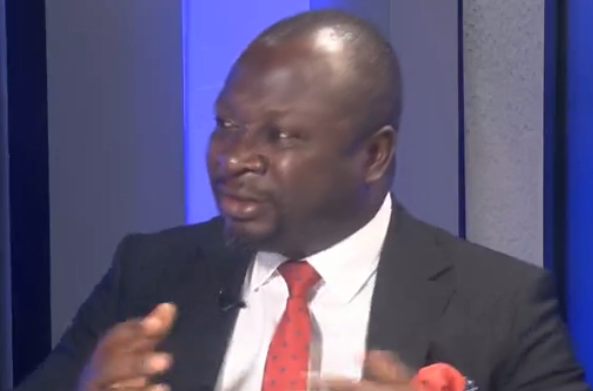
Speaking to Joy Business, Chief Executive of the Ghana Association of Banks, John Awuah, said the current hike in interest rates is an interim one and will thus be short-lived.
“The present situation [rising interest rates] is for the short term. We all know what is happening in the global economy.”
“We also believe that most of the inflation rates that have pushed the rates to where they are now are imported inflation; and circumstances around the world, supply chain constraints, tapering off”, Mr. Awuah pointed out.
He further said “we envisage a gradual decline in inflation which should positively impact lending rates. So we have every cause to believe that it is temporary though it is a concern”.
“It is for the short term but we believe that by next year, we should not be trending at the rate at which we are now”, Mr. Awuah added.
Banks cannot be blamed for rising interest rates
The Ghana Association of Banks also shot down suggestions to regulate the exchange rate regime in the country.
The Association of Ghana Industries in a recent reaction to high interest rates hinted that it will meet the Bank of Ghana to intervene in the market by engaging banks to reduce their cost of credit to the private sector.
But in response to suggestions by industry to bring in some control, John Awuah maintained that such a move will be counter-productive.
“Treasury bills in January or February this year was at 12%. As we speak it is at 21%. The Ghana Reference Rate which is a combination of policy rate, the interbank lending rate and the Treasury bills rate was 13.9% in January this year. But it is presently at 20.8%."
"So it’s not a matter of the banks, it is the fundamentals that are driving the rates that we are seeing now”, Mr. Awuah pointed out.
Latest Stories
-
Walter Mosley visits W.E.B. Du Bois Centre in Accra: A New York Secretary’s homecoming story on where Du Bois spent his final years.
2 hours -
MTN set to deploy 5G services after winning spectrum licenses worth US$202m
4 hours -
NPP national elections: 3,000–4,000 police to handle security, traffic in Kumasi – Karbo
6 hours -
Atta Akyea fumes as Manhyia MP is to spend another night in EOCO custody
7 hours -
SSNIT says La Beach clearance was to protect hotel investments, beaches to remain public
8 hours -
APSU congratulates St Augustine’s College after back-to-back National Investment Quiz wins
8 hours -
Renewed flood intervention at Mallam Junction raises hopes among residents, businesses
8 hours -
St Augustine’s College retain National Investment Quiz title after nail-biting grand finale
9 hours -
Education infrastructure investment will drive Banda’s development – Ahmed Ibrahim
9 hours -
Teacher unions strike: Gov’t presents fresh proposals as talks end inconclusively
9 hours -
51,000 teachers’ promotion arrears to be validated for October payment – Education Minister
10 hours -
Kwabena Boamah appointed Board Chair for Impact Investing Ghana
10 hours -
Striking teacher unions to meet Fair Wages and Salaries Commission on October 6
10 hours -
EOCO working with AG to arraign Nana Baffour Awuah before weekend court
10 hours -
Duraplast reassures customers after fire, announces October 5 reopening
11 hours