

Audio By Carbonatix
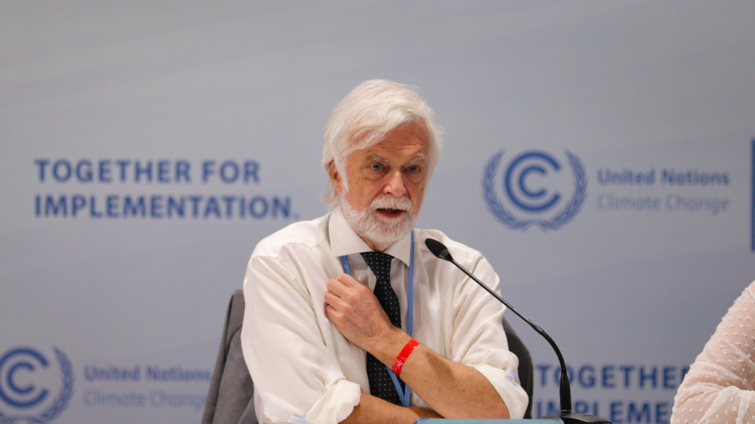
Jim Skea, Professor of Sustainable Energy at Imperial College London, has been elected Chair of the Inter-governmental Panel on Climate Change (IPCC) by a vote of 90 to 69 in a run-off against Thelma Krug.
Jim Skea has nearly 40 years of climate scientific experience and competence. The IPCC said in a statement that the 69-year-old will lead the organization during its seventh assessment cycle.
Skea was the Co-Chair of Working Group III, which assessed climate change mitigation, during the IPCC's just-ended sixth assessment cycle. Most of his career has been spent ensuring that the challenges of climate change are known and that efforts to mitigate them are implemented.
The election was held at the United Nations Environment Programme headquartered in Nairobi, Kenya, where the IPCC is having its 59th Session. Elections for other IPCC Bureau positions, including Co-Chairs of IPCC Working Groups, will take place on July 26-28.

Four people ran for the position of IPCC Chair. These were the first elections in the IPCC's history with female candidates running for this position.
The contenders for IPCC Chair, along with the countries that nominated them, were: Thelma Krug (Brazil), Debra Roberts (South Africa), Jim Skea (United Kingdom), and Jean-Pascal van Ypersele (Belgium).
Skea stated in his address to the IPCC delegates that climate change is an existential threat to the globe and that his objective is to lead an IPCC that is really representative and inclusive, an IPCC that looks to the future while capitalising on possibilities in the present.
“An IPCC where everyone feels valued and heard,” he said.
Skea's priority would be to improve inclusion and diversity, to protect the scientific integrity and policy relevance of IPCC assessment reports, and to make effective use of the best available science on climate change.
“My actions as the Chair of the IPCC will ensure that these ambitions are realised.”
The election of the new IPCC Bureau, which will consist of 34 members, including the Chair, marks the beginning of work on the IPCC's Seventh Assessment Report, which is scheduled to be finished within the next five to seven years. The Panel will also elect 12 members of the Task Force Bureau on National Greenhouse Gas Inventories (TFI).
In March 2023, the IPCC concluded its Sixth Assessment Report (AR6) and the key findings of the AR6 Synthesis Report are as follows: the pace and scale of climate action are insufficient to tackle climate change; multiple, feasible, and effective options to reduce greenhouse gas emissions and adapt to human-caused climate change, and enabling conditions include finance, technology, capacity building, and international cooperation.
Latest Stories
-
GCB Bank surges GH¢0.45, ETI gains GH¢0.06 as GSE ends week higher
46 minutes -
Two teens jailed 55 years for robbery
1 hour -
UDS demands apology for MPhil student wrongly branded as Tamale robber
2 hours -
“We don’t sell fish!” – Tema Shipyard CEO hits back over dead fish discovery
3 hours -
Sam George defends anti-LGBTQ+ Bill as ‘national priority’ amid debate over gov’t focus
3 hours -
Artemis II astronauts safely back on Earth after trip around moon
3 hours -
Sam George unveils massive 1,150-cell site rollout to end network woes
4 hours -
This Saturday on Prime Insight: Fuel levy suspension, LGBTQ+ legislation, and Damang Mine controversy
4 hours -
Struggling Real suffer title blow with Girona draw
5 hours -
Mahama nominates Pamela Graham as Auditor-General
5 hours -
The five big sticking points in US-Iran talks
6 hours -
Melania Trump’s speech propels Epstein crisis back to forefront
7 hours -
What everyone should know about C-sections
7 hours -
Gunmen kill at least four people at Afghanistan picnic spot
7 hours -
Health Ministry engages Ga Mantse ahead of Free Primary Healthcare launch
7 hours