

Audio By Carbonatix
Mali has suspended schools and universities nationwide due to a severe fuel scarcity caused by a blockade on fuel imports imposed by Islamist insurgents.
Education Minister Amadou Sy Savane announced on state television that all education institutions would remain shut until 9 November, saying the movement of staff and students had been affected by the blockade.
He said the authorities were "doing everything possible" to end the crisis so that classes could resume on 10 November.
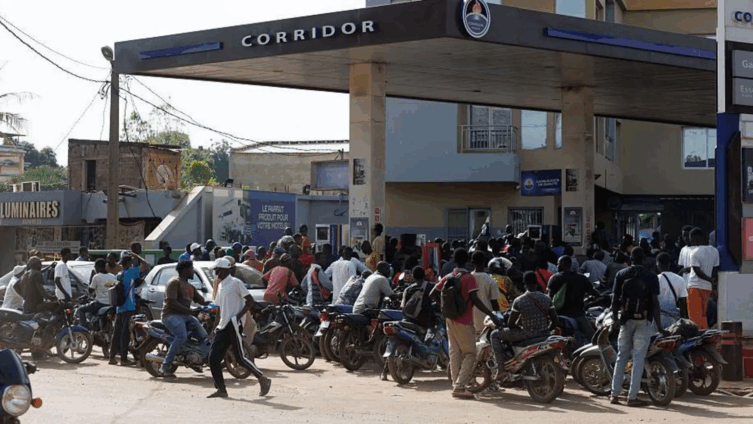
For weeks, Mali has been hit by a fuel shortage, especially in the capital Bamako, after militants from an al-Qaeda affiliate imposed a blockade by attacking tankers on major highways.
Mali is landlocked, so all fuel supplies are brought in by road from neighbouring states such as Senegal and Ivory Coast.
Long queues have been snaking around petrol stations in Bamako in recent weeks, and the city's usually crowded streets have now reportedly fallen quiet.
The military government had earlier this month assured residents that it was only a temporary issue, but the crisis has persisted.
Last week, the US Embassy in Bamako announced that non-essential diplomatic staff and their families would leave Mali amid the worsening fuel shortage and growing security concerns.
It said the fuel disruptions had affected the supply of electricity and had the "potential to disrupt the overall security situation in unpredictable ways".
Mali is currently ruled by a military junta led by Gen Assimi Goïta, who seized power in a coup in 2021.
The junta had popular support when it took power, promising to deal with the long-running security crisis prompted by a separatist rebellion in the north by ethnic Tuaregs, which was then hijacked by Islamist militants.
The UN peacekeeping mission and French forces had been deployed in 2013 to deal with the escalating insurgency.
Both have left since the junta took over, and the military government has hired Russian mercenaries to tackle the insecurity.
However, the jihadist insurgency has continued and large parts of the north and east of the country remain outside government control.
Latest Stories
-
At least 30 feared dead in crush at Haitian tourist site
59 minutes -
Four arrested over murder of Scottish businessman in Kenya
1 hour -
New Mainoo deal closer, says Man Utd boss Carrick
1 hour -
Sinner beats Alcaraz to return to world top spot
1 hour -
An inappropriate joke nearly ended his career. Now he’s back with more humour
2 hours -
GPL 2025/26: Dreams FC stage stunning comeback to hammer Eleven Wonders
3 hours -
Livestream: The Probe examines Kumasi’s looming water crisis
3 hours -
MTN Ghana gears up to lead Africa’s AI revolution
3 hours -
Philanthropist Alhaji FuZak donates Da’wah bus to Ambariya Sunni community
3 hours -
GUTA calls for suspension of Publican AI system over trade disruptions
3 hours -
TTAG raises alarm over proposed recruitment of 7,000 teachers, demands national posting roadmap
4 hours -
Civilians feared killed after reports of air strike on Nigerian market
4 hours -
Bishop Simon Kofi Appiah installed as new Jasikan Diocese Bishop
4 hours -
Trump’s Strait of Hormuz blockade threat raises risks and leaves predicaments unchanged
4 hours -
US Court backs extradition of former MASLOC CEO Sedina Tamakloe-Attionu to Ghana
4 hours