

Audio By Carbonatix
A Governance and Entrepreneurship consultant, Victor Fosu-Boamah, says the President's power to appoint 30 per cent of district assembly members should be taken away and given to the National House of Chiefs.
According to him, successive Presidents have abused the power given to them to appoint assembly members.
He said this needs to be changed if the country is determined to achieve an effective and efficient decentralisation system.
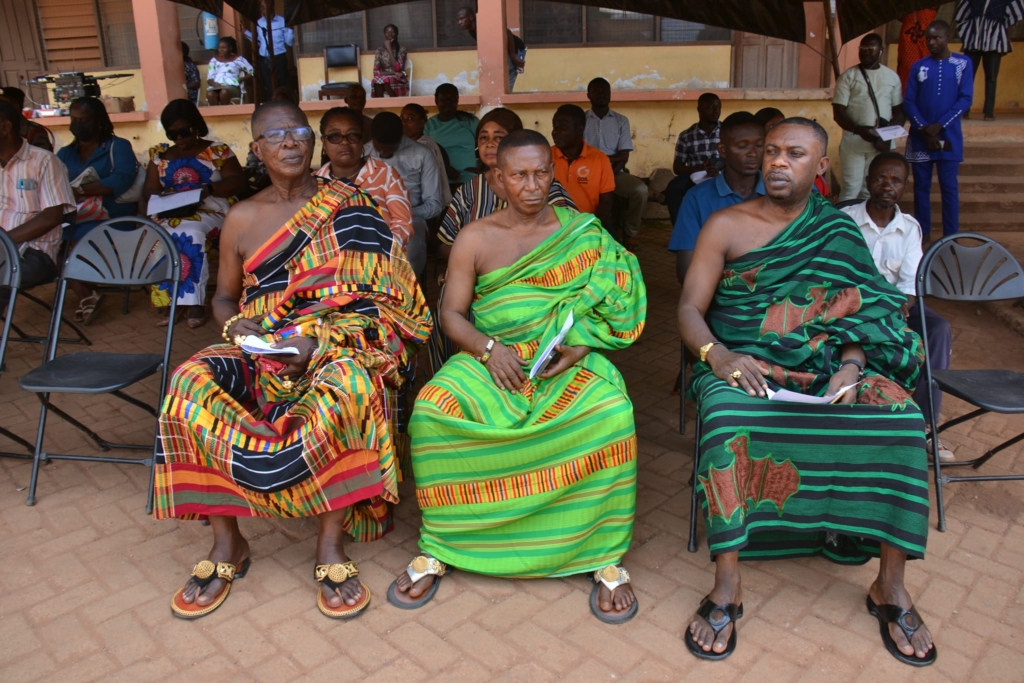
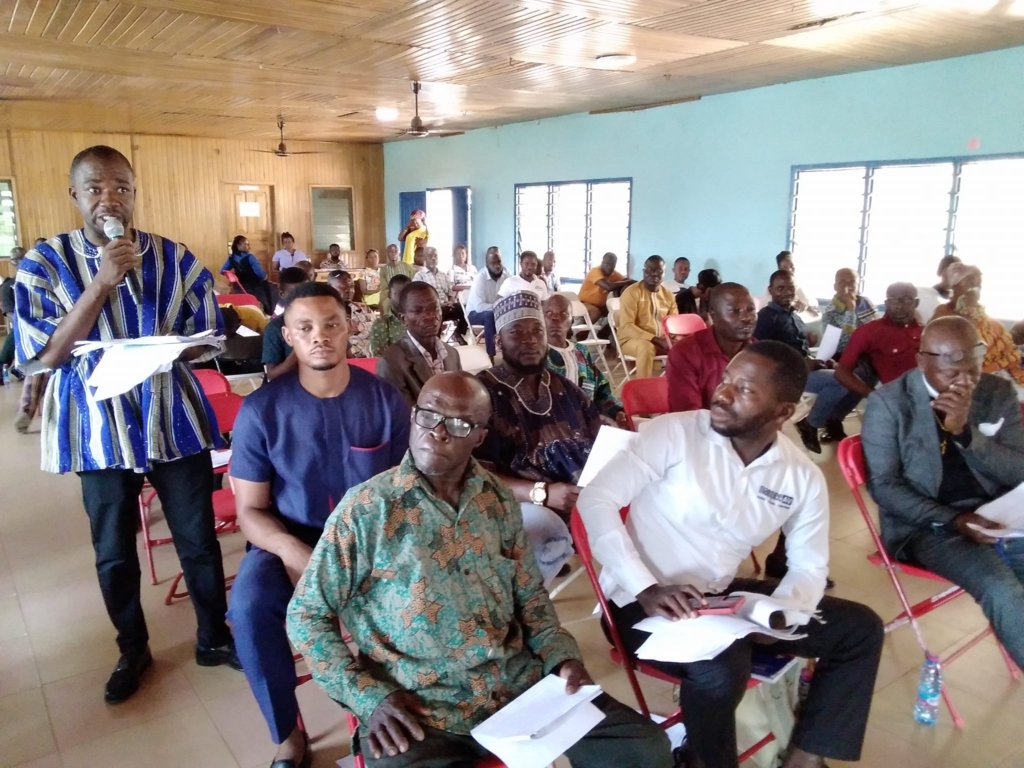
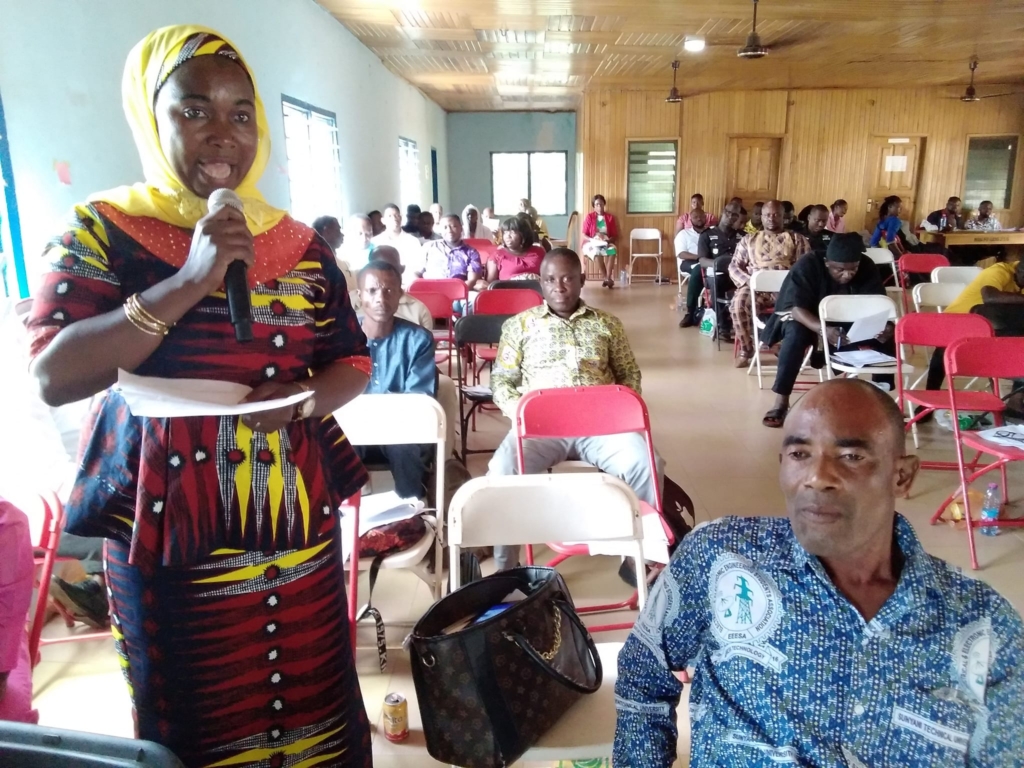
Mr Fosu-Boamah suggested these in an interaction with journalists at a public forum on Ghana's decentralised system in Sunyani.
A consortium of civil society organisations operating within the Bono region organised the forum.
He stated that the power to appoint 30 per cent of assembly members was conferred on the President by the 1992 constitution.
However, political parties in power have used that to reward their members by appointing people who are incompetent to the assemblies.
He cited instances, especially during the reign of the New Patriotic Party (NPP) under President J.A. Kuffuor when such government appointees to the assemblies were sacked or removed en bloc to pave the way for the President to appoint a new set of people only to vote to approve his nominees for the position of District Chief Executive (DCE).
He added that after the approval of the President’s nominee for DCE, the sacked DCEs were re-appointed by the President, which was not helpful to the country's decentralisation process.
Mr Fosu-Boamah recommended that the roles of the Regional Co-ordinating Councils (RCCs), especially in resource allocation, should be revised.
He noted that the responsibilities assigned to and undertaken by the RCCs far outweighed the resources allocated for that purpose.
He said that made it extremely difficult for the RCCs to discharge these assignments, a situation that portrays RCCs as ineffective in performing their functions.
He stated that the passage of the Legislative Instrument (LI) 1961 is significant in the country's local government system.
He added that if the decentralisation system is implemented fully, it will create employment to absorb more unemployed graduates at the district level, which could also bring about a remarkable improvement in the living conditions of the people.
Latest Stories
-
Easter gesture: Ablakwa settles medical bills for 85 North Tongu constituents
5 minutes -
Africa must harness its population strength—Titus-Glover
6 minutes -
Visa-free access doesn’t mean unlimited stay – Lom Ahlijah
8 minutes -
From Golgotha to Kwahu: The Easter Migration of the Faithful and the Faithless
2 hours -
How the Ghanaian onion traders’ standoff with Nigeria unfolded and threatened local supply
2 hours -
No compensation for demolished structures on 24-Hour Economy market lands — Gov’t to structure owners
2 hours -
Financial Institutions must back local enterprises to spur growth – Deputy Minority Whip
2 hours -
Photos: Gomoa Easter Carnival 2026 ends in a burst of colour and celebration
2 hours -
Gomoa Easter carnival ends in colour as fashion, music and celebrity appearances light up final night
2 hours -
Families pick Luv Fm Family Party to celebrate Easter Monday with music and more
3 hours -
IMANI flags procurement issues in Ghana Gas insurance switch
3 hours -
Kaneshie footbridge rehabilitation to take up to 9 months — AMA
3 hours -
AMA confirms trading will be banned on Kaneshie footbridge after rehabilitation
3 hours -
IMANI flags procurement concerns in state insurance placements
3 hours -
Mahama’s push for visa-free Africa reflects Nkrumah’s Pan-African vision – Rashid Tanko-Computer
4 hours