

Audio By Carbonatix
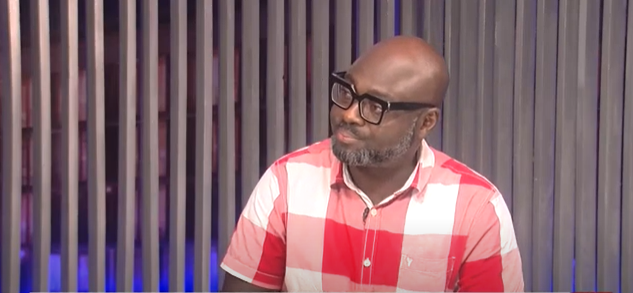
Economist at the University of Ghana Business School, Prof Lord Mensah has attributed the current depreciation of the cedi to market sentiment.
According to him, many individuals have stacked up dollars, anticipating a rise in its cost in the coming days, and are therefore unwilling to trade.
Speaking on Joy FM’s Top Story on May 15, he said "If you take what is happening now, I will attribute it to more of a market sentiment other than the structural issues."
"The reaction of the next level of the dollar at any point in time. If you are holding the dollar as to whether to sell it or to hold it depends on your anticipation of the dollar price in the next few moments or the next day, that is what is happening now.
“So we have gone past the structural issues which used to be the balance of payment crisis that we had. Where our balance of payment depleted so as a result of that, the dollar buffer went down but what we see now is a self-fulfilling crisis."
Prof Mensah described the situation as self-fulfilling crisis since most individuals holding the dollar were not ready to trade adding that "the dollar on shore is more than the dollars that are being kept by the Bank of Ghana itself. So the dollar is in circulation but people are not ready to release it because they are storing it in the form of assets.
“So it is circulations and market sentiment that is driving the cedi as we speak now,” he said
Additionally, the academic blamed the Cedi's depreciation on government’s mismanagement of the economy.
He explained that among all the countries Ghana had bilateral trade agreements with, Ghana did more importing than exporting, which placed the cedi at a disadvantage.
Prof Mensah said the government was doing nothing to diversify exports.
Also, the Minority in Parliament said that the current challenges facing the Ghana Cedi are far from resolved, and the situation is expected to worsen.
With the local currency reaching GH₵15, traders caution that they are transferring the costs to consumers, resulting in a notable rise in the prices of goods and services.
Speaking to journalists in Parliament on Wednesday, Minority Leader Dr Cassiel Ato Forson lamented the detrimental effects of the Cedi's depreciation on businesses in areas like Okaishie, Abossey Okai, Kejetia and other commercial districts.
He explained that "In spite of the huge inflows of foreign exchange from the IMF and the World Bank, into the Ghanaian economy, and I'm talking of billions of Ghana cedis, billions of US dollars, the government's action and its management of the cedi have continued to fuel steep depreciation with no end in sight unfortunately."
Latest Stories
-
PSG vs Liverpool: Date, time and everything you need to know about the Champions League quarterfinal
6 minutes -
Education Minister orders probe into illegal SHS online class fees
7 minutes -
Barcelona vs Atlético Madrid: Date, time and everything you need to know about the Champions League quarterfinal
11 minutes -
Monthly Indicator of Economic Growth slows to 7.5% in January 2026
13 minutes -
The Reputation Bomb: Why fraud in the digital age destroys more than freedom
15 minutes -
Mahama nominates 5 to Ghana’s Fiscal Council to strengthen economic oversight
29 minutes -
Enterprise Insurance crowns first “Insure Na Chilli” winner: Jonathan Syme set for ultimate football experience
31 minutes -
Bear with us over temporary outages as ECG begins transformer upgrade programme – Energy Ministry
58 minutes -
President Mahama has not broken promise on anti-LGBTQ bill — Akwatia MP
2 hours -
Education Minister promises swift fix to Aburi Girls’ SHS water crisis
2 hours -
Top Australian soldier charged with war crimes to remain in jail on remand
2 hours -
US journalist Shelly Kittleson released after kidnap in Iraq, officials say
2 hours -
Starmer to visit Middle East after US and Iran reach ceasefire deal
2 hours -
Telcos and regulators are failing Ghana on Mobile Money fraud
2 hours -
Discussions on petroleum taxes review ongoing with Finance Minister – Jinapor
3 hours