

Audio By Carbonatix
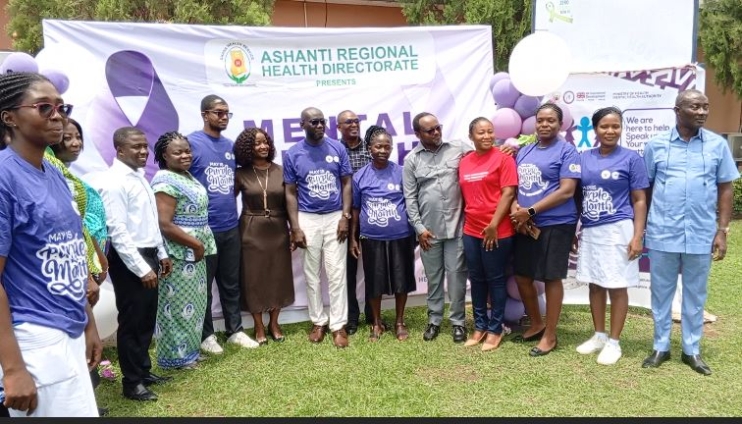
As Ghana marks Mental Health Awareness Month, health experts in the Ashanti Region are calling for a shift in how mental health conditions are treated.
Mental health remains one of the least prioritized areas in Ghana’s health system which is often misunderstood, stigmatized, and ignored.
At the Ejisu Government Hospital, health professionals are using the launch of Mental Health Awareness Month to raise concerns about the growing number of people living with mental health conditions, and the limited support available.

Ashanti Regional Health Psychiatrist, Dr Francis Oppong, says the public continues to seek spiritual intervention in place of medical care which has led to worsening conditions.
“Mental health conditions are medical conditions but people don’t find themselves in the hospitals. Many people find themselves in prayer camps. People are chained in bushes and prayed for. We’re not saying it’s bad but however it’s been found that people keep getting worse and worse,” he explained.
Dr. Oppong also raised an alarm over the rise in substance abuse, particularly tramadol (Red), in Ghana.
"Currently we have substance use problems, especially tramadol, being a very difficult situation which few people find themselves at the latter stages when it has affected them so much before they come for treatment,” he added.
The Ashanti Regional Director of Health Services, Dr Fred Adomako Boateng, reiterated the medical basis of mental illness and called for empathy and proper treatment.

“Mental health is also a medical condition; it is not a curse and therefore needs compassion, treatment and support. But they would want to go see the pastor. We’re not saying it’s wrong but if the condition is medical, then why don’t we go and seek medical care from the appropriate quarters?” he bemoaned.
The mental health experts are looking to collaborate with religious and traditional partners in helping mental health patients moving forward.
“We will continue to work together with our partners, especially the religious partners, traditional partners and all the other partners to make them understand that while they’re doing the spiritual thing, we need to focus on the biological aspect too,” said Dr. Boateng.
Latest Stories
-
At least 30 feared dead in crush at Haitian tourist site
3 hours -
Four arrested over murder of Scottish businessman in Kenya
3 hours -
New Mainoo deal closer, says Man Utd boss Carrick
3 hours -
Sinner beats Alcaraz to return to world top spot
3 hours -
An inappropriate joke nearly ended his career. Now he’s back with more humour
4 hours -
GPL 2025/26: Dreams FC stage stunning comeback to hammer Eleven Wonders
5 hours -
Livestream: The Probe examines Kumasi’s looming water crisis
5 hours -
MTN Ghana gears up to lead Africa’s AI revolution
5 hours -
Philanthropist Alhaji FuZak donates Da’wah bus to Ambariya Sunni community
5 hours -
GUTA calls for suspension of Publican AI system over trade disruptions
5 hours -
TTAG raises alarm over proposed recruitment of 7,000 teachers, demands national posting roadmap
5 hours -
Civilians feared killed after reports of air strike on Nigerian market
6 hours -
Bishop Simon Kofi Appiah installed as new Jasikan Diocese Bishop
6 hours -
Trump’s Strait of Hormuz blockade threat raises risks and leaves predicaments unchanged
6 hours -
US Court backs extradition of former MASLOC CEO Sedina Tamakloe-Attionu to Ghana
6 hours