

Audio By Carbonatix
Facebook's algorithm helped fuel the viral spread of hate and violence during Ethiopia's civil war, a legal case alleges.
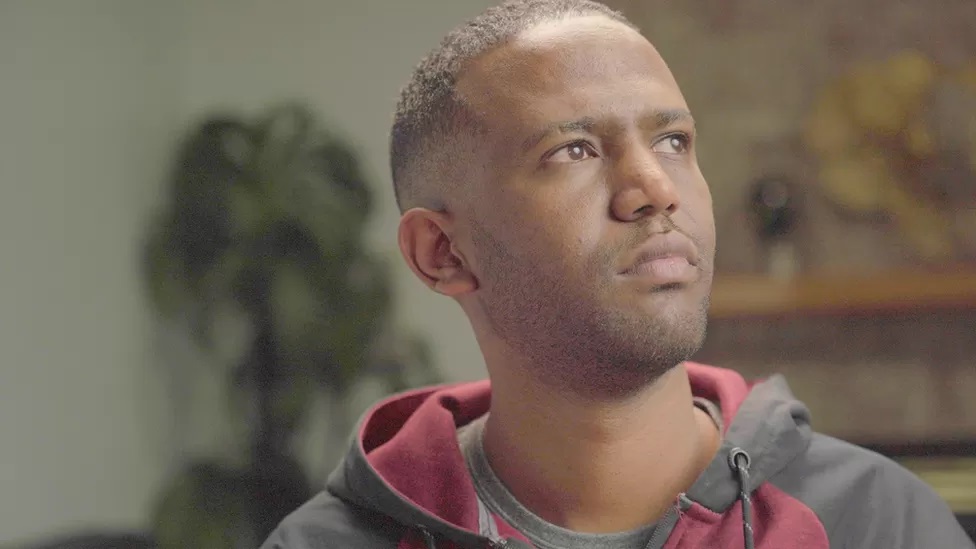
Abrham Meareg, the son of an Ethiopian academic shot dead after being attacked in Facebook posts, is among those bringing the case against Meta.
They want a $2bn (£1.6bn) fund for victims of hate on Facebook and changes to the platform's algorithm.
Meta said it invested heavily in moderation and tech to remove hate.
A representative said hate speech and incitement to violence were against the platform's rules.
"Our safety-and-integrity work in Ethiopia is guided by feedback from local civil society organisations and international institutions," the representative said.
Famine-like conditions
The case, filed in Kenya's High Court, is supported by campaign group Foxglove.
Meta has a content moderation hub in Kenyan capital Nairobi.
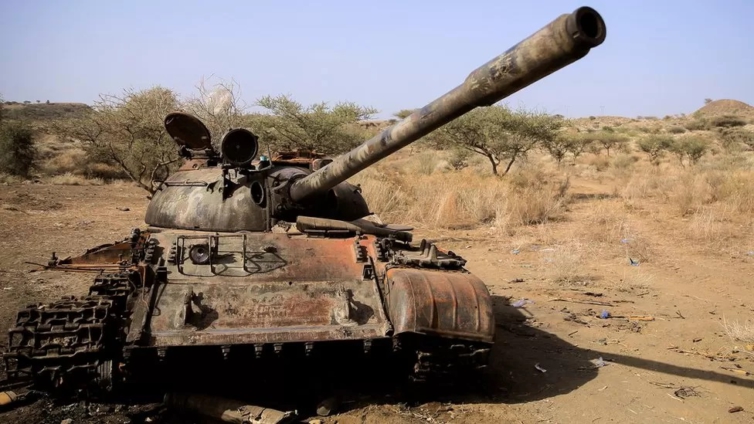
Hundreds of thousands of people have died in the conflict between the Ethiopian government and forces in the northern Tigray region, with 400,000 others living in famine-like conditions.
Last month, a surprise peace deal was agreed - but recently, there has been an upsurge in ethnically motivated killings between Amhara- and Oromo-speaking communities.
Last year Mr Meareg's father became one the casualties of the country's violence.
On 3 November 2021, Prof Meareg Amare Abrha was followed home from his university by armed men on motorbikes and shot at close range trying to enter the family home.
Threats from his attackers prevented witnesses coming to his aid as he lay bleeding, his son says. He died lying on the ground seven hours later.
Before the attack, Facebook posts slandered and revealed identifying information about him, his son says.
Despite repeated complaints using Facebook's reporting tool, the platform "left these posts up until it was far too late".
One was removed after his father's killing.
Another, which the platform had committed to remove, remained online as of 8 December 2022.
'Woefully inadequate'
"If Facebook had just stopped the spread of hate and moderated posts properly, my father would still be alive," Mr Meareg said.
He wanted to ensure no family suffered as his had, he said, and "a personal apology" from Meta.
In a sworn statement filed with the court, Mr Meareg alleges Facebook's algorithm promotes "hateful and inciting" content because it is likely to draw more interaction from users.
He also claims Facebook's content moderation in Africa, is "woefully inadequate", with too few moderators who deal with posts in key languages Amharic, Oromo and Tigrinya.
Meta - which owns Facebook - told BBC News: "We employ staff with local knowledge and expertise and continue to develop our capabilities to catch violating content in the most widely spoken languages in the country, including Amharic, Oromo, Somali and Tigrinya."
It maintains Ethiopia is a high priority - although, less than 10% of the population uses Facebook - and says the steps it has taken include:
- reducing posts' virality
- expanding violence and incitement policies
- improving enforcement
But this is not the first time Facebook has been accused of doing too little to stop the spread of content promoting ethnic hate and violence in Ethiopia.
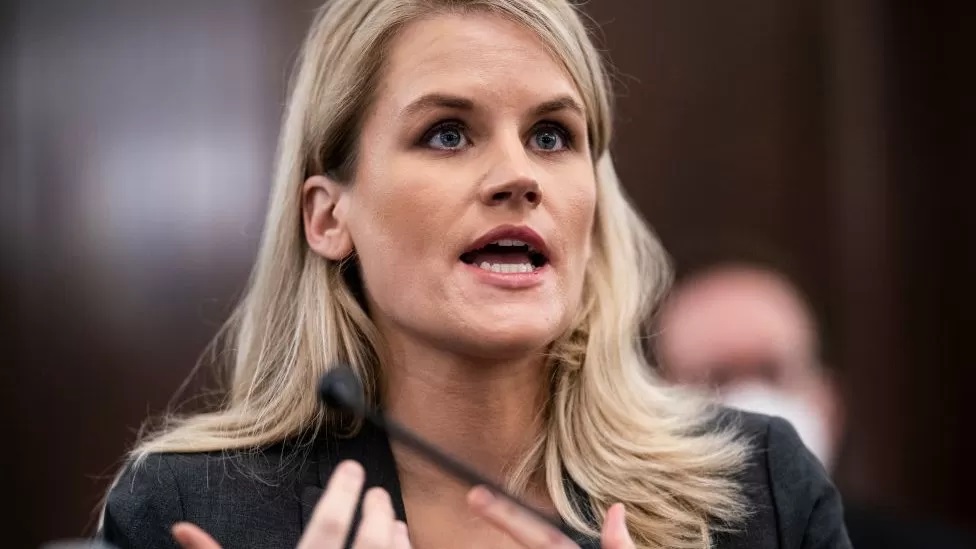
In 2021, whistleblower Frances Haugen, a former employee, told the US Senate the platform's algorithm was "fanning ethnic violence... picking up the extreme sentiments, the division" as those posts attracted high engagement, while Facebook could not adequately identify dangerous content, and lacked sufficient expertise in many local languages - including some spoken in Ethiopia.
Other plaintiffs in the case include the Katiba Institute and Fisseha Tekle, who alleges Facebook's moderation failures made his human-rights reporting on the conflict, for Amnesty International, impossible - and risked his family's lives.
They are asking the court to order Facebook to take steps to remedy the situation, including:
- creating a restitution fund of about 200bn Kenyan shillings (Ksh) ($1.6bn) for victims of hate and violence incited on Facebook and a further 50bn Ksh for similar harm from sponsored posts
- preventing its algorithm recommending "inciteful, hateful and dangerous content"
- employing enough moderators to translate local content, ensuring equity between the moderation in Nairobi and that for US users.
Latest Stories
-
Power restoration fault suspected in Kumasi Central Market fire
4 hours -
The 7-foot giant of Ngleshie Amanfro: Seven-foot Ghanaian Ephraim Saawa dreams of joining the national basketball team
4 hours -
Government promises support for Kumasi Central Market fire victims
4 hours -
Vibes The Movie: Big Ghun’s Ghanaian film earns five nominations at 2026 REFFA
5 hours -
MamaCare CEO warns unresolved conflicts among health workers could undermine maternal and neonatal care
5 hours -
Health professionals urged to translate medical knowledge into practice to save mothers
5 hours -
Conflicts among care providers linked to maternal, neonatal deaths – Expert
7 hours -
GIS marks 10th TIME conference, champions improved teaching practices
7 hours -
BRICS Or Balance? What Ghana’s bid really means
7 hours -
GPRTU wants full TRAFFITECH-GH implementation to start in 2027
8 hours -
Mahama announces plans to import electric wheelchairs for PWDs
8 hours -
KGL U17 Colts 2026: Western beat Prempeh Elite Academy to set up final final with Greater Accra Region
8 hours -
Late Solanke strike salvages 10-man Spurs draw at Man United
8 hours -
Gender Ministry to monitor welfare of Nana Akua Addo’s children amid domestic violence case
8 hours -
Benedict Okyere Yeboah: Ghana’s football problem goes beyond sacking a coach
9 hours