

Audio By Carbonatix
The Massachusetts Institute of Technology's incoming freshman class this year dropped to just 16% Black, Hispanic, Native American or Pacific Islander students compared to 31% in previous years after the U.S. Supreme Court banned colleges from using race as a factor in admissions in 2023, the elite engineering school said.
The proportion of Asian American students in the incoming class rose from 41% to 47%, while white students made up about the same share of the class as in recent years.
MIT administrators said the statistics are the result of the Supreme Court's decision last year to ban affirmative action, a practice that many selective U.S. colleges and universities used for decades to boost enrollment of underrepresented minority groups.
Harvard and the University of North Carolina, the defendants in the Supreme Court case, argued that they wanted to promote diversity to offer educational opportunities broadly and bring a range of perspectives to their campuses.
The conservative-leaning Court ruled that their race-conscious admissions practices violated the U.S. Constitution's promise of equal protection under the law.
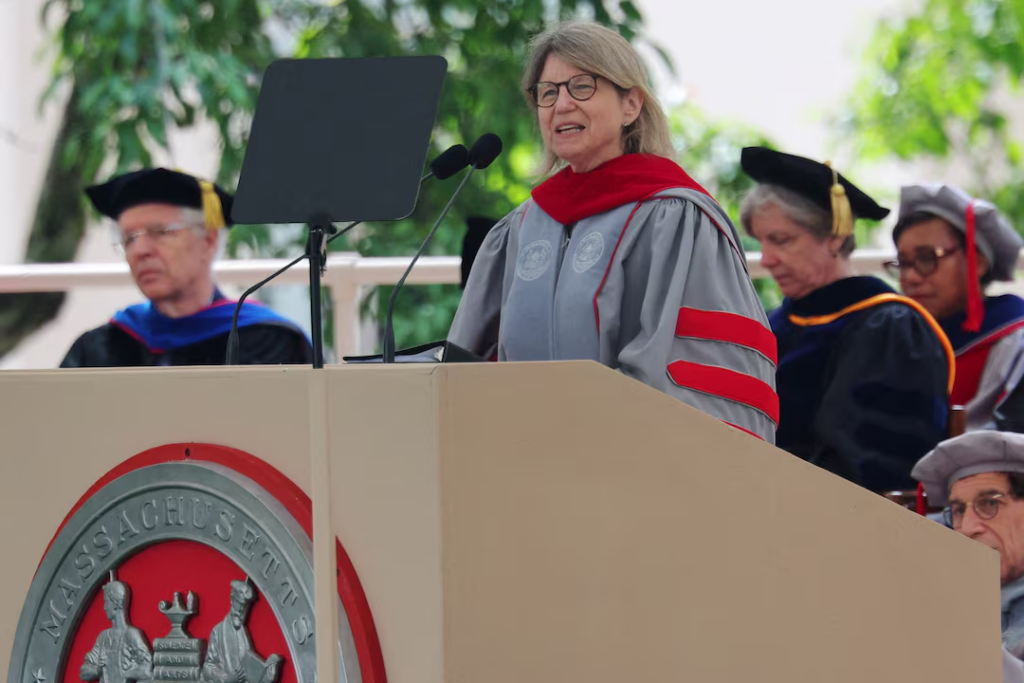
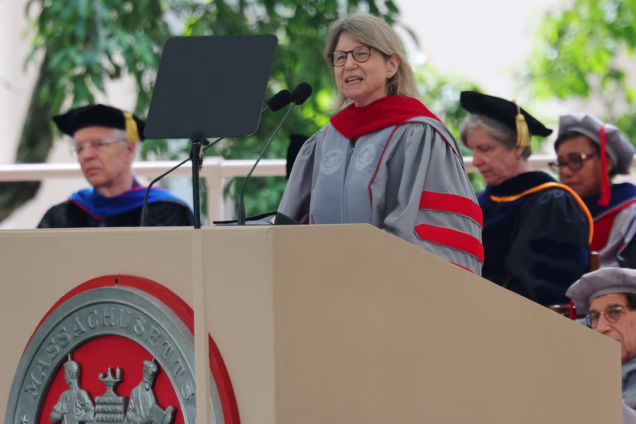
"The class is, as always, outstanding across multiple dimensions," MIT President Sally Kornbluth said in a statement about the Class of 2028.
"But what it does not bring, as a consequence of last year’s Supreme Court decision, is the same degree of broad racial and ethnic diversity that the MIT community has worked together to achieve over the past several decades."
This year's freshman class at MIT is 5% Black, 1% American Indian/Alaskan Native, 11% Hispanic and 0% Native Hawaiian/Pacific Islander. It is 47% Asian American and 37% white. (Some students identified as more than one racial group).
By comparison, the past four years of incoming freshmen were a combined 13% Black, 2% American Indian/Alaskan Native, 15% Hispanic and 1% Native Hawaiian/Pacific Islander. The previous four classes were 41% Asian American and 38% white.
U.S. college administrators revamped their recruitment and admissions strategies to comply with the court ruling and try to keep historically marginalised groups in their applicant and admit pool.
Kornbluth said MIT's efforts had apparently not been effective enough, and going forward the school would better advertise its generous financial aid and invest in expanding access to science and math education for young students across the country to mitigate their enrollment gaps.
Latest Stories
-
National Sports Fund needs strong leadership from the top – Administrator David Wuaku
44 seconds -
JoySports Exclusive: Steve McLaren in talks with GFA after expressing interest in Black Stars job
6 minutes -
Fire guts auto parts warehouse at Bubuashie, one fire officer injured
13 minutes -
I owe my victory to coach Ofori Asare – Allotey after winning WBA Africa Gold Super Flyweight belt
17 minutes -
Church of Pentecost supports over 2,000 BECE candidates in Obuasi with career guidance seminar
2 hours -
Brandon Asante and Coventry all but promoted to Premier League despite Sheffield Wednesday draw
2 hours -
GPL 2025/26: Late Kwartemaa strike downs Hearts in Tema
2 hours -
Ghana Faces Sierra Leone Moment as Prosecutorial Powers come under strain
2 hours -
Don’t consume fish or seafood from Tema Shipyard until further notice – FDA warns
3 hours -
Why volunteering might be Africa’s most underrated career accelerator
3 hours -
ActionAid Ghana raises concern over gender gaps in Feed Ghana Programme
3 hours -
Windstorm wreaks havoc in Gushegu, displacing nearly 2,000 residents and damaging schools
3 hours -
Friends of Bridget Bonnie Marks her 35th birthday with donation to Kasseh Model Health Centre
4 hours -
From Ekumfi Kokodo to the Pulpit Stage: Essi Donkor’s gospel journey takes shape
4 hours -
Landfilling waste management creates no value, it’s an economic waste
4 hours