

Audio By Carbonatix
Many Ghanaian families are only one emergency away from financial trouble. In spite of this, most people still don’t have money saved for a rainy day, and without a savings buffer, families often turn to unplanned borrowing just to get by, and end up paying high interest that eats into future income.
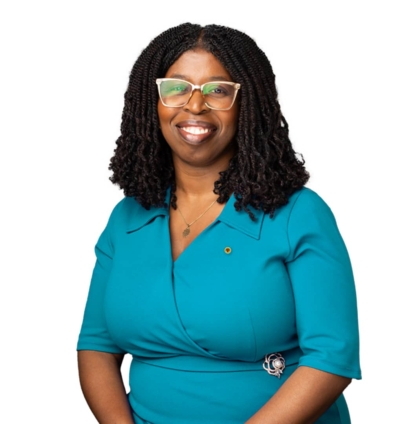
The Head of Retail Banking at First National Bank, Akweley Laryea, asserts that many families could avoid this situation by talking about money more openly.
“It’s not just about budgeting; it’s about creating a shared understanding and plan for your household’s finances. This starts with honest conversations about what each person earns, what debts you have, what worries you and what you are working towards”, she says.
But these conversations do not always come easily. Many people grow up in households where money wasn’t discussed, or others carry some fear around debt.
“It’s very common for one partner to carry the mental load while the other avoids the topic entirely. That silence often leads to confusion or mistrust, especially when a crisis hits and there is no mutually agreed plan in place,” says Akweley.
She recommends setting aside regular time, even if it’s just once a month, for a money check-in to agree on a household budget, and decide together how you will save, spend and handle emergencies.
Akweley further explained that those emergencies are where many families tend to come unstuck. “Most people have less than 6 months’ worth of emergency savings, and have absolutely nothing saved for an emergency. This leaves you extremely vulnerable when faced with a sudden bill and without savings.
She emphasises that an emergency fund is the most important first step in building financial resilience. “Even GHS200 or GHS500 a month saved consistently can make a big positive difference. Over time, aim to build up to at least three months of essential expenses and build from there”. The aim is to build consistency in a savings habit more than anything else, so start with any amount that is comfortable for you to save monthly without fail.
She also recommends keeping emergency savings in a separate account that’s easy to access but not mixed with funds for everyday spending. “For example, First National Bank’s Savings Pocket linked to your transactional account is a good way to save for emergencies because it helps you avoid spending money on impulse purchases.”
Once the emergency fund is in place, couples can then start to look more seriously at other goals, like saving for school fees, a deposit on a car or retirement. This is where it helps to understand different time horizons. “There is a secret to match the product to the goal.
“A family saving for December holidays should not be locking that money into a five-year investment; you can achieve this with a short-medium term investment with flexible maturity term options, such as a Flexi-Fixed account or 32-day interest plus. If you are thinking long-term, then you can take on a bit more risk to achieve better growth with any of the First National Bank Fixed Deposit accounts. Many people mix these up and end up either under-saving or accessing their long-term investments too early, which sometimes comes with additional costs in the form of penalty charges” says Akweley.
“This isn’t just about protecting your money; it’s about removing one of the major sources of conflict from your relationship. Emergencies are stressful enough without having to worry about how you are going to pay for them – so a little planning and a strong money partnership can go a long way,” concludes Akweley.
Latest Stories
-
Brazil President endorses Ghana’s Reparations push at UN
4 minutes -
GPL 2025/26: Eleven Wonders earn 2-2 draw against Samartex
19 minutes -
Legal analysis of CAF Appeal Board decision on Morocco vs. Senegal AFCON final chaos
1 hour -
44 Ghanaians rescued from fraudulent recruitment network in Nigeria – Foreign Affairs Ministry
4 hours -
Odumasi Health Centre appeals for standby power plant to safeguard healthcare delivery
4 hours -
2025/26 Women’s FA Cup: Hasaacas Ladies beat Jonina to set up Army Ladies final
4 hours -
Journey to Destiny Ministries breaks ground for 90-bed dormitory for orphans at Journey Center – Ghana
4 hours -
Health Minister reaffirms commitment to ending ‘No Bed Syndrome’ after Korle Bu visit
4 hours -
Afram Plains youth rally behind Mahama’s Farmers’ Service Centre initiative
4 hours -
Investments underway to boost tomato production despite export concerns – Gov’t
4 hours -
2025/26 Women’s FA Cup: Army Ladies thump Samartex Ladies to reach final
4 hours -
Brazil backs Ghana’s UN push to recognise transatlantic slave trade as crime against humanity
5 hours -
Otokunor blames policy failures and import dependence for Ghana’s tomato shortage
5 hours -
Offinso North cocoa farmers brave heavy rains to petition Minority Caucus over cocoa crisis
5 hours -
Vivo Energy Ghana hosts ShePower Summit 2026 to inspire next generation of Women in STEM
5 hours