

Audio By Carbonatix
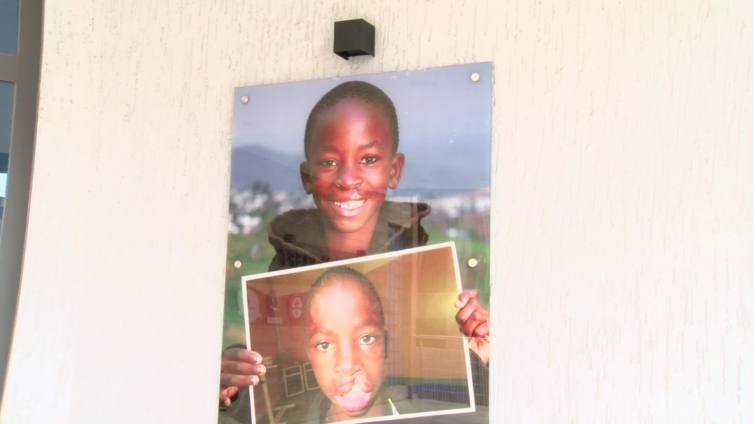
Some mothers of babies born with cleft lip and palate are forced to wrap their babies in polyethene bags to avoid wide societal stigma.
This is the latest observation by health officers at the National Cleft Centre in Kumasi as mothers seek medical care for their wards.
The situation has sparked grave concerns over heightened stigmatisation against cleft-lipped children and their mothers.
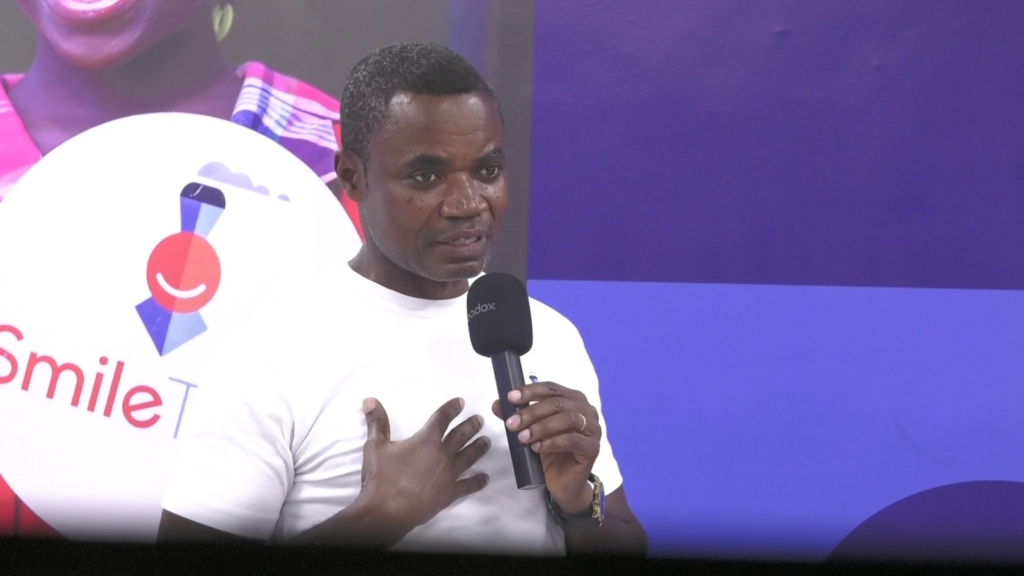
Head of the Centre, Prof Solomon Obiri-Yeboah, disclosed this during a media briefing in Kumasi.
“There’s been situations where mothers carry their babies in polyethene bags because they don’t want anybody to know that they are bringing their child to the hospital. People will think there are some clothes in the bag, but they are actually humans,” he disclosed.
In Ghana, one in every 770 children is born with a cleft.
These children are usually born with a split in the upper lip and/or the palate (roof of the mouth) when facial structures fail to fuse properly during fetal development.
Breathing, eating, and talking become difficult tasks for children with such conditions.
Although there is no known cause, cleft lip or palate is primarily considered a multifactorial disorder resulting from a combination of genetic factors and environmental influences.
When left untreated, these children frequently experience stigma, bullying, and social isolation.
The National Cleft Centre, first of its kind in Africa, is changing the narrative bridging both care and social equity associated with the disorder.
The facility, constructed by Smile Train, the world’s largest cleft-focused non-profit organization, has provided support to more than 3,000 free primary cleft surgeries in Ghana since 2003.
The organization is focused on empowering families to seek free, safe, and high-quality care through its nationwide partner network to ensure holistic support for economic and social growth.
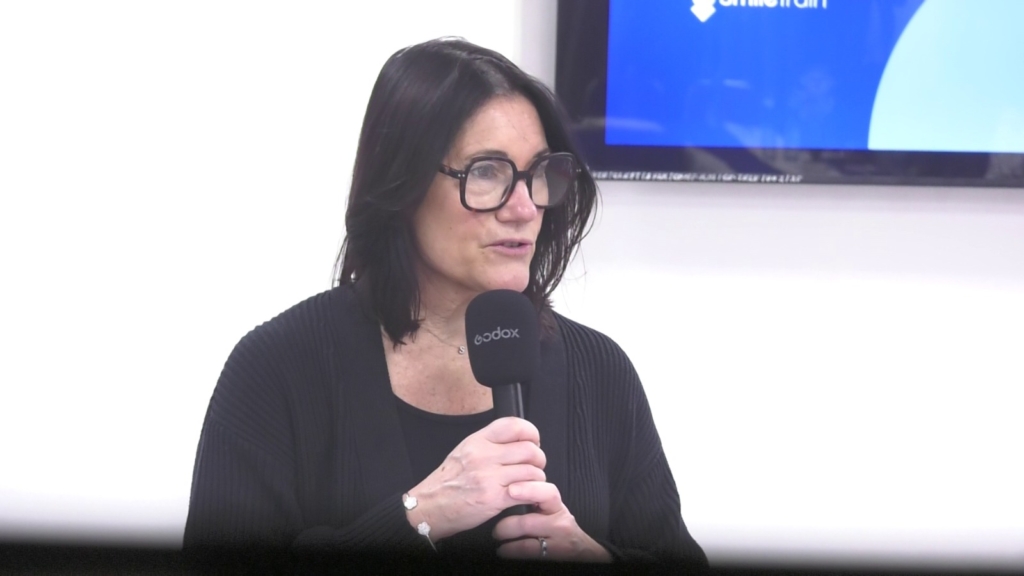
President and CEO of Smile Train, Susannah Schaeffer reiterated the organisation’s commitment to supporting children with the deformities, especially in Africa.
“We have supported more than 3,000 free primary cleft surgeries in Ghana since 2003, generating over 67 million dollars in economic benefit. Globally, the organization has supported mor than 2 million free cleft surgeries since its founding in 1999,” she noted.
Cleft care is currently not integrated into Ghana’s health care system, prompting urgent calls for no child to be left out of the universal health coverage.
Director of the Medical and Dental Unit at the Ministry of Health, Dr. Ernest Asiedu, assured of plans to incorporate the initiative into national health policies.
“The initiative is designed to integrate cleft care into national health systems and universal health coverage frameworks, ensuring that no child is left behind. It reflects strong collaboration with the government which has shown leadership by opening doors to partnerships that strengthen resilient local health systems,” he said.
Latest Stories
-
Mali withdraws recognition of Sahrawi Republic, backs Morocco’s autonomy plan
4 minutes -
Gov’t distributes over 8,500 laptops to One Million Coders project
5 minutes -
Julius Debrah, ‘man to beat’ as NDC’s James Agbey dismisses Musah Dankwah’s polls
11 minutes -
GPRTU in Savannah Region to protest alleged eviction in Damongo
40 minutes -
Re: Reinsurance does not replace process — A response to the SIGA–SIC defence
55 minutes -
Gender Ministry supports Harriet Amuzu in ongoing abuse case
1 hour -
AG joins plaintiff to scrap OSP ?: We should be mindful of the mischief in this – Bobby Banson
1 hour -
Samson Lardy Anyenini questions willingness of Attorneys-General to prosecute political colleagues
1 hour -
It is only fair the OSP is heard in Supreme Court case – Bobby Banson
1 hour -
Asiedu Nketia resumes Ashanti tour, second leg kicks off on Sunday
2 hours -
NLA denies salary cut claims, threatens legal action over reports
2 hours -
BoG Governor honoured for stabilising cedi, improve inflation
2 hours -
Kyebi Easter Homecoming 2026: A resounding success!
2 hours -
RNAQ divorce ruling: What the noise is hiding
2 hours -
Trade Minister applauds GUTA as a pillar of economic growth; Prez Mahama honoured
3 hours