

Audio By Carbonatix
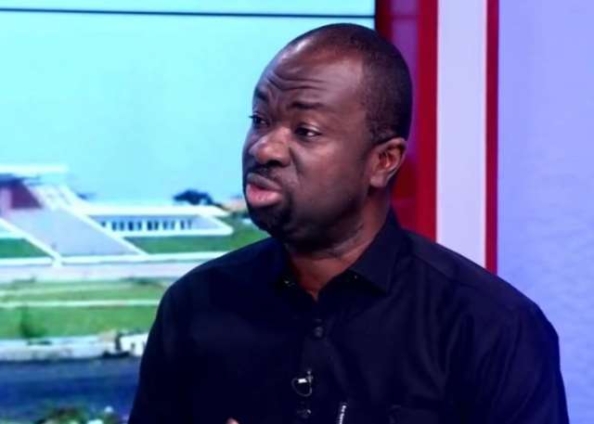
The Manhyia South MP has underscored the urgent need to redefine the expectations of legislators while calling for reforms to the parliamentary vetting process and stronger economic interventions to ease public burdens.
Nana Agyei Baffour Awuah, speaking on Prime Morning, the legislator revealed the heavy financial and social demands often placed on MPs, which he described as “overbearing” and far beyond the constitutional duties of a parliamentarian.
“I love to be in the constituency every two weeks, attending funerals, listening to the concerns of the people, and assisting them where I can,” he said.
“But the monetary demands are sometimes just overwhelming. Where I can help, I do. Where I cannot, I explain. Unfortunately, there is a misconception that MPs have unlimited access to money, and that is not true."
According to Mr. Awuah, this misconception risks driving away capable individuals who could contribute to effective lawmaking and national development.
“Unless we restrain ourselves, we risk losing good people from politics,” he warned.
“The perception that MPs must meet every personal demand is unsustainable. We need to educate the public to understand the real responsibilities of parliamentarians.”
He stressed that unemployment and lack of opportunities are the root causes of many of these demands, noting that if jobs and basic services were accessible, constituents would not turn to MPs for personal financial support.
Highlighting his own efforts in the constituency, Mr. Awuah revealed that one of his key interventions has been addressing rising cases of eye conditions, particularly cataracts.
“Even before I became an MP, I organised health screenings that included eye tests. Over the years, more than a thousand people have been screened, with over 80 undergoing cataract surgery,” he said.
He added that the exercise has become an annual commitment.
Turning to constitutional matters, Mr. Awuah raised concerns about the credibility of parliamentary vetting of ministerial nominees, which he argued has become too partisan.
“Parliament is losing its appreciation of the significance of the Appointments Committee. It is supposed to serve as the first accountability mechanism—a constitutional risk assessment of appointees.
"But with the ruling party dominating both Parliament and the vetting committee, the process often lacks fairness,” he stated.
He proposed amending Parliament’s standing orders to ensure a more rigorous and impartial process.
“We need effective interviews that test competency, honesty, and capacity. Otherwise, we risk entrusting state resources to people who may not be fit for the job,” he cautioned.
The MP also questioned the high costs of Ghana’s electoral system, suggesting that constitutional amendments could save the country money.
“For example, when an MP passes away, instead of organising costly by-elections, the party should be allowed to replace the candidate. Democracy is expensive, but we can design a system that works for us, not one that drains scarce resources,” he argued.
On the broader issue of political financing, Mr. Awuah cautioned against allowing wealth to become the main determinant of leadership.
“Politics is expensive everywhere. But it should not be about who is rich. It should be about who has the intellectual and practical ability to provide solutions. If the economy is strong, resourceful persons who believe in your ideology will support you. That is how politics should work,” he said.
Ultimately, Mr. Awuah stressed that Ghana’s biggest challenge remains economic.
“We need to work hard to turn around the fortunes of this country. If we create jobs and opportunities, the burdens on MPs and other political leaders will reduce significantly. Otherwise, demands will persist, and corruption will fester,” he concluded
Latest Stories
-
US, Iran fail to reach peace agreement after marathon talks in Pakistan
21 minutes -
ECG kicks off Phase Two of transformer upgrades at Lashibi; brief outages expected
55 minutes -
Port crises loom as 11,000 drivers threaten four-day strike
2 hours -
A source of excellence across generations – Vice President Opoku-Agyemang lauds Mfantsipim
3 hours -
(Photos) Mfantsipim School launches historic 150th anniversary
3 hours -
Knights and Ladies of Marshall group backs Catholic Bishops’ stance on anti-LGBTQ+
4 hours -
Bright Simons writes: All the Filla in the Ibrahim Mahama/E&P – Gold Fields Saga
4 hours -
Monetise Idiocy In Ghana
4 hours -
The Ghanaian prophet and the mysterious death of his scottish wife Charmain Speirs
5 hours -
Nearly 400 sentenced in Nigeria for links to militant Islamists
6 hours -
Ghana’s recovery supported by gold strength despite global oil price pressures – Standard Bank Research
6 hours -
Methodist Church hails Mfantsipim@150; calls for “fresh consecration” to excellence
6 hours -
‘Excellence is our inheritance’ – Nana Sam Brew-Butler hails Mfantsipim’s 150-year reign in leadership
6 hours -
Kwaku Azar writes: A-G vs OSP
6 hours -
Mfantsipim–Adisadel rivalry built excellence, not division – Sam Jonah
7 hours