

Audio By Carbonatix
The future of the National Cathedral project remains uncertain although the government has spent over GHC 339 million on the project, which is still at its foundation level.
There are also allegations of embezzlement or misuse of funds by some persons close to the project.
Before the construction began, President Nana Akufo-Addo stated that he would lobby the private sector for funding to build the Cathedral, but it later emerged that the president was using some state funds for the construction.
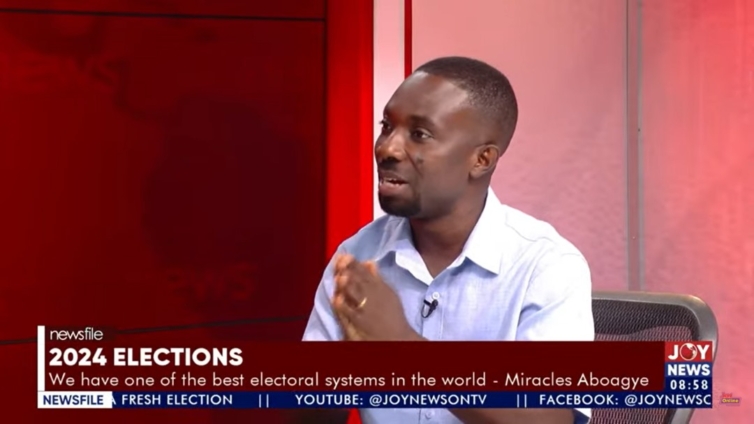
Speaking to Joy News' Samson Lardy on Newsfile on Saturday, December 14, the spokesperson for Vice President Dr Mahamudu Bawumia’s campaign, Dennis Miracles Aboagye, attributed the failure and the issues surrounding the project to poor communication from the government.
According to Mr Aboagye, things might not have gone wrong if the government had been transparent from the start about using state funds for the project.
“Communication around such things is very important. I’m sure that what the government, or the Finance Minister who I heard repeatedly promoting this project, should have communicated from the beginning is that, even though funds will be raised from private individuals and corporate organizations, we need to start. We need to demolish and prepare the site, and for that reason, the government will provide some seed money. But that is not going to be the funding to actually execute the project. If we had communicated this properly, we wouldn’t be where we are now,” he explained.
He added, “I don’t think the communication was handled correctly, and when that happens, you allow your detractors to take advantage and lead the conversation.”
The building of the Cathedral was in fulfilment of a supposed promise President Akufo-Addo claimed to have made to God before winning the 2016 elections.
In 2019, the Finance Minister, Ken Ofori-Atta, stated that the construction of the National Cathedral was estimated to cost over $100 million.
Amid the controversies surrounding the development, the Commission on Human Rights and Administrative Justice (CHRAJ), after investigating the case, recommended that the Auditor General conduct a forensic audit of the project to determine what went wrong and possibly prosecute those found to have committed any wrongdoing.
Latest Stories
-
Sir Sam Jonah slams political interference in insurance industry
54 minutes -
Yemen’s Houthis enter Iran war with attacks on Israel, while US Marines arrive in region
2 hours -
Potential Houthi threat to Red Sea shipping could further damage global economy
3 hours -
Sir Sam Jonah unveils five-point plan to boost Ghana’s insurance industry
4 hours -
Abstention not a rejection of Ghana’s slavery resolution — EU
5 hours -
‘DDEP was a big blow; full recovery not achieved yet’ – Sir Sam Jonah
5 hours -
The hypocrisy of the global north and the truth about the Transatlantic Slave Trade
6 hours -
2,280 students graduate with B-Tech, M-Tech from Takoradi Technical University
6 hours -
“We are losing ourselves” – Special Prosecutor laments cultural erosion in Ghana’s education system
6 hours -
‘We were trained to serve, not lead’ – Special Prosecutor condemns colonial education legacy
7 hours -
Education must preserve identity and drive innovation – Special Prosecutor
7 hours -
Corruption raises bank risk, weakens diversification benefits, research finds
8 hours -
The Apostolic Church-Ghana bans ‘you may kiss your bride’ during marriage ceremonies
10 hours -
Ɔdadeɛ 95 marks reunion with GH₵200k Solar Project at PRESEC-Legon
10 hours -
AI is the new phase of the digital age, and Africa must be ready or risk being left behind – Dr Bawumia warns at LSE Africa Summit
10 hours