


Audio By Carbonatix
Regional Manager of the National Population Council, Mercy Adomaa Beseah, has launched a campaign in Kumasi to address gender-based violence and raise awareness of reproductive health issues.
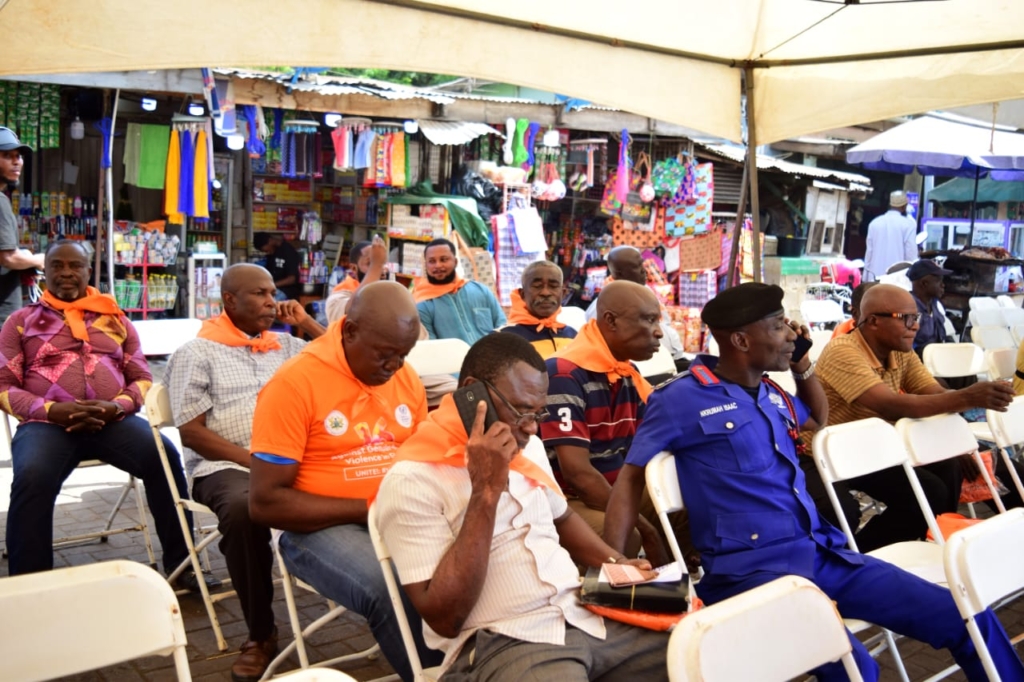
Organized as part of the global 16 Days of Activism against Gender-Based Violence, the event took place at the Asafo VIP Bus Terminal, one of the busiest transport hubs in the Ashanti Region.
The programme brought together over 100 members and officials of the Ghana Private Road Transport Union (GPRTU), as well as community members.
The focus was twofold: to educate the public about GBV, especially within the transport sector, and to encourage the use of condoms during the festive season to curb unplanned pregnancies and sexually transmitted infections.
Addressing gender-based violence in the transport sector
Mercy noted that the transport sector plays a role in addressing GBV.
Many drivers, station masters and passengers encounter or witness acts of violence or harassment daily. By involving the GPRTU and other stakeholders, the campaign sought to create awareness and foster accountability among transport workers and commuters.
“Gender-based violence affects individuals, families, and communities. It’s important to educate people, particularly in high-interaction spaces like transport terminals, about their role in preventing violence and ensuring safety for all.”
The inclusion of transport union leaders was significant, as they pledged to use their platforms to educate their members and the traveling public on GBV issues and preventive measures.
Promoting responsible sexual behavior during festive periods
An aspect of the initiative was raising awareness of the risks associated with unplanned pregnancies and STIs, particularly during festive periods like Christmas.
Mercy highlighted that celebrations often lead to casual sexual encounters, which result in unintended consequences for many individuals and families.
“During the festive season, there is usually an increase in unplanned pregnancies and casual sexual activities. These pregnancies often lead to financial and social challenges, especially for women. We’re here to educate the public on the need to take precautions and make responsible decisions,” she explained.
The NPC distributed condoms to participants and the public as a preventive measure. According to Mercy, the distribution is to emphasize the importance of family planning and safe sex.
“By encouraging the use of condoms, we can reduce the rate of unplanned pregnancies and protect people from STIs, including HIV,” she said.
Economic and health implications of unplanned pregnancies
Mercy pointed out that unplanned pregnancies not only affect individuals but also have broader economic and health implications.
She explained that such pregnancies often place a financial burden on families and can result in higher maternal mortality rates.
“Some women deny pregnancies due to financial pressures or social stigma, which can lead to serious health complications. These situations strain relationships and burden the economy as families struggle to provide for children they were not prepared for,” she said.
She also highlighted the need for men to take responsibility for their reproductive health decisions.
“We are advising men and women to be mindful of their sexual activities, especially during festive periods. It’s important for everyone to take responsibility and avoid decisions that lead to avoidable consequences,” she added.
Encouraging family planning and population control
The programme also emphasised the importance of family planning as a means of controlling population growth and ensuring better health outcomes for families.
Mercy encouraged participants to adopt preventive measures to avoid unplanned pregnancies, which often result in long-term social and economic challenges.
“We want people to make informed decisions about their sexual and reproductive health. By planning pregnancies and protecting against STIs, individuals can contribute to healthier families and communities,” she stated.
The NPC’s initiative aligns with national efforts to promote population control and improve maternal and child health.
The distribution of condoms served as a practical step toward achieving these goals, while the education sessions aimed to create lasting behavioral change.
Latest Stories
-
Ghana to honour Christina Hammock Koch for historic Artemis II mission
2 minutes -
Supreme Court appointments require more than 15 years’ experience – Justice Adjei-Frimpong
19 minutes -
Fire destroys 3-bedroom house at Bogyawe
42 minutes -
Why the Supreme Court is a “policy court” – Justice Richard Adjei-Frimpong breaks it down
47 minutes -
Playback: The Law discussed Supreme Court @150
2 hours -
MTN Momo staff walk to promote wellness and fitness
2 hours -
Assafuah: Sedina Attionu’s return from Nevada will test government’s commitment to accountability
2 hours -
How GRA’s Modified Taxation Scheme is boosting revenue compliance & SMEs competitiveness
3 hours -
Stonebwoy Can Do It: A call to unite behind 2026 BHIM Fest
3 hours -
World Shea Expo returns to Tamale for 2026 edition
3 hours -
Prioritise cocoa sector with better prices, timely payments-Annoh-Dompreh urges NDC
3 hours -
Lands and Mines Watch Ghana endorses Heath Goldfields’ mining capacity
4 hours -
Gbintiri residents protest alleged diversion of 24-hour market project
4 hours -
Justin Bieber headlines Coachella with nostalgia-fuelled set
4 hours -
Ukraine and Russia accuse each other of hundreds of ceasefire violations
4 hours