

Audio By Carbonatix
Nearly 67% of Ghanaians have identified corruption as the leading cause of poverty in the country.
This is the outcome of a study conducted by the United Nations Children's Fund (UNICEF).
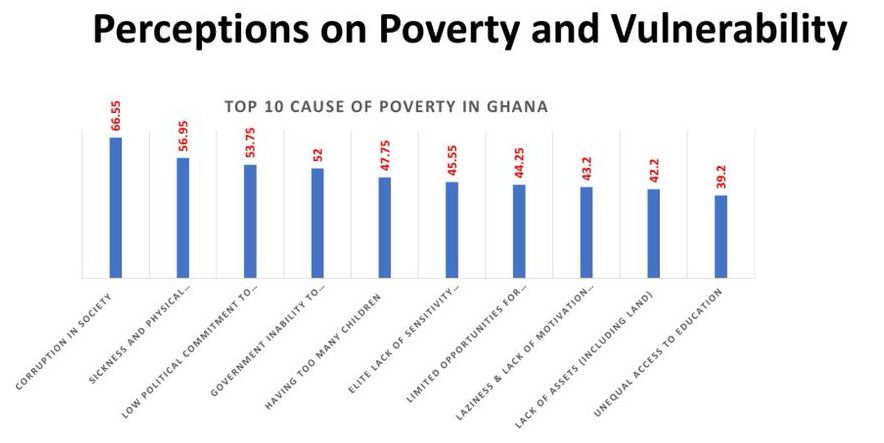
Among the top ten (10) causes of poverty, corruption in society was first (66.55%), followed by sickness (56.95%), and low political commitment (53.75%).
Some 52% of Ghanaians say they are poor due to government's inability to tackle the menace, while 47.75% believe they are poverty-stricken because they have too many children.
The study was conducted in six (6) districts, two each from the Greater Accra, Oti, and Upper West regions of Ghana with a total of 640 respondents, including 58% females.
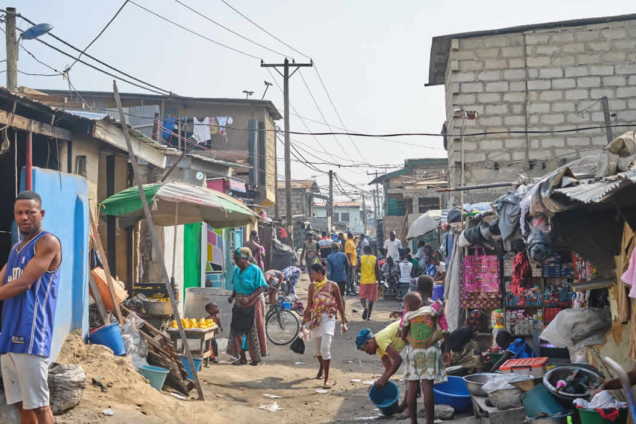
In Ghana, it is perceived that poverty is prevalent largely in rural areas where most low-income families depend on peasant farming and other minor jobs to make a living.
In the urban settings, access to social infrastructure, including education and healthcare have been noted as some of the factors accounting for poverty.
The UNICEF report reveals that severely disabled persons (78.7%), homeless people or street children (75.2%), and orphaned children (73.8%) are 'very likely' to be vulnerable and poor due to factors such as absence and lack of food, clothing and shelter.
These people may also be vulnerable over "a state of helplessness or inability to fulfill needs without external support."
A 2019 World Bank report on Ghana's poverty and equity distribution showed that "Ghana's largest fall in poverty was experienced from 1991 to 1998. Since then, poverty reduction has slowed down, and the growth elasticity of poverty has decreased remarkably."
"The extreme poverty rate declined from 5.2 percent to a negligible share in Greater Accra between 2005 and 2016, while the extreme poverty rate fell from 76 percent to only 45.2 percent in Upper West region during the same period," the data indicated.
The United Nations Children's Fund (UNICEF) is suggesting that rights-based objectives should be integral to design and implementation of social protection programmes.
It adds that the one-size-fits-all approach to dealing with poverty and vulnerability must be avoided to ensure that access to water and sanitation, health and education are evenly distributed among rural and urban people.
Key informant interviews were conducted at the national, regional and district levels with media practitioners, donors,
Civil Society Organisations (CSOs), senior policy makers, religious leaders, district social welfare officers, among others.
Latest Stories
-
Weija-Gbawe MP calls for commissioning of Weija paediatric hospital
1 minute -
Ghanaians dying in Russia–Ukraine war: The danger is real
3 minutes -
Player ratings: Oppong earns high marks as Sibo and Adjetey draw low scores in Germany defeat
6 minutes -
Pres. Mahama pledges action on 1.2m out-of-school children after School for Life raises concern
12 minutes -
Suhum MP vows NPP will probe Gold-for-Reserves in 2029
29 minutes -
Ghana to host Zimbabwe’s President Mnangagwa on three-day state visit
32 minutes -
Ghana pushes for stronger West African blue economy partnership at Liberia fisheries investment conference
32 minutes -
Ghana hosts high-level African climate strategy meeting ahead of COP31 and COP32
50 minutes -
Today’s Front pages : Tuesday, March 31, 2026
1 hour -
President Mahama welcomes Zimbabwe’s Mnangagwa for three-day state visit
1 hour -
Dr Anthony Adjiepong’s Pharmatrust Pharmacy receives top recognition at UG’s White Coat ceremony
1 hour -
OMCs increase in fuel prices at pumps: GOIL sells petrol at GH¢13.30 and diesel GH¢17.10
2 hours -
Gender Ministry convenes Equity Committee meeting, commissions secretariat to strengthen coordination
3 hours -
Aggie Asiimwe Konde: Soil is Africa’s hidden growth asset
3 hours -
Fiscal slippage could weigh on Ghana’s credit rating – S&P warns
3 hours