

Audio By Carbonatix
A new joint study by the Food and Drugs Authority (FDA) and the United Nations Children's Fund (UNICEF) has uncovered dangerously high levels of lead in some everyday products widely consumed and used in Ghana.
The research, conducted across major markets in all 16 regions, revealed that the levels of lead found in these products pose a serious health risk, especially to children and pregnant women.
The FDA study found that:
- Traditional eyeliner, also known as Kaji kaji, or kholi, is often used by mothers to supposedly brighten the eyes of their children. About 80% of the samples tested contained dangerously high levels of lead, with some more than tens of thousands above the permissible limits.
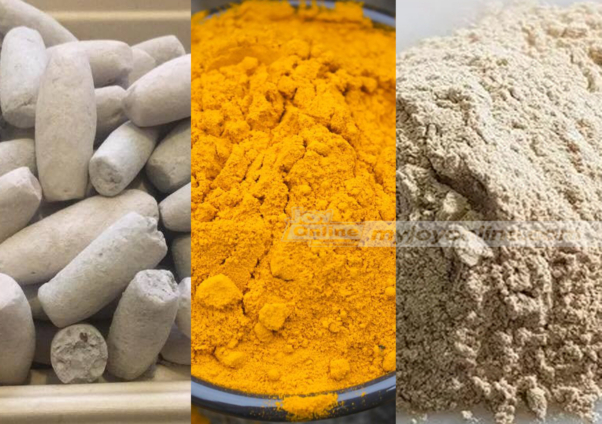
- White baked clay known locally as shire, ayilor and farinkasa. Consumed largely by pregnant women to ease nausea, 24.6% of samples were contaminated with lead, with the Northeast and the Greater Accra regions showing the highest rates.
- Contaminated turmeric: Ground turmeric (powder) sampled from food markets showed that 42.09% of samples tested for high levels of lead, especially in the Greater Accra (84.52%), Central (75%), and Bono (60.5%) regions.
- Contaminated Cereals: corn-based cereal mix locally known as ‘Tom brown’ sampled from markets, showed high contamination of lead in 4.4% of the samples, with most affected samples from the Eastern region.
- Old plumbing and cookware: Lead can leach into drinking water or be inhaled during cooking.
Health effects on children
- Cognitive and behavioural issues: Developmental delays, reduced attention span and learning difficulties
- Physical symptoms: Anaemia, vomiting, abdominal pain, poor growth, seizures, hearing loss, and others.
- Pregnancy complications: Anaemia, low birth weight, preterm birth, miscarriage and stillbirth.
UNICEF revealed that lead poisoning is preventable, noting that the findings are a critical opportunity to initiate coordinated national action to safeguard children’s health.
UNICEF has, therefore, called for immediate actions to:
- Raise Public Awareness: Educate caregivers about the hidden dangers in traditional cosmetics and foods.
- Strengthen Product Safety: Enhance regulation and enforcement to improve product safety standards.
- Promote Screening: Encourage routine screening for lead exposure, especially among vulnerable children and pregnant women.
UNICEF added that it is committed to working with the government and partners to eliminate lead exposure and protect every child’s right to a healthy start in life.
Latest Stories
-
Conflicts among care providers linked to maternal, neonatal deaths – Expert
1 hour -
GIS marks 10th TIME conference, champions improved teaching practices
1 hour -
BRICS Or Balance? What Ghana’s bid really means
2 hours -
GPRTU wants full TRAFFITECH-GH implementation to start in 2027
2 hours -
Mahama announces plans to import electric wheelchairs for PWDs
2 hours -
KGL U17 Colts 2026: Western beat Prempeh Elite Academy to set up final final with Greater Accra Region
2 hours -
Late Solanke strike salvages 10-man Spurs draw at Man United
2 hours -
Gender Ministry to monitor welfare of Nana Akua Addo’s children amid domestic violence case
3 hours -
Benedict Okyere Yeboah: Ghana’s football problem goes beyond sacking a coach
3 hours -
GPL 2026/27: Darkwah Wiafe’s winner sees All Blacks beat Kotoko
3 hours -
ITF World Tour : Patel Wins Boys’ Singles Final at J100 Accra
3 hours -
Ghana must pursue BRICS partnership if it brings economic benefits – Kpebu
3 hours -
Success and Wright Claims J100 Accra Girls’ Doubles Championship
3 hours -
ITF J100: America’s Wright wins J100 Accra Girls’ Singles Title
3 hours -
Expedition hopes to find aviator Amelia Earhart’s plane on remote island
3 hours