

Audio By Carbonatix
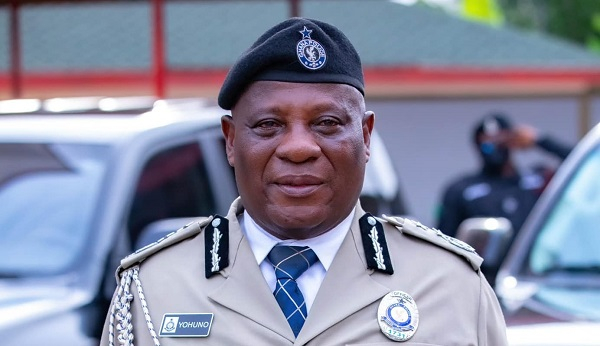
The Inspector General of Police (IGP), COP Christian Tetteh Yohuno, has lifted the communication embargo previously imposed on police spokespersons, urging a renewed and proactive engagement with the media.
Speaking at a workshop for the Ghana Police Service's public relations officers (PROs), IGP Yohuno stressed the critical role of effective communication in fostering public trust and enhancing crime-fighting efforts.
According to him, no society can effectively combat crime without the trust and collaboration of its people, adding that “This is why effective policing is a partnership—one that requires officers to work closely with the communities they serve to foster a safer and crime-free environment.”
The IGP highlighted the evolving demands of society and the media, underscoring the importance of professional and strategic communication in maintaining police legitimacy and public confidence.
He explained “In times when the public demands greater involvement and accountability in our service delivery, a well-tested approach ensures police legitimacy and boosts public confidence. This is where your significant role as public affairs officers in fostering positive interactions with the public becomes essential and directly impacts police effectiveness.”
"It is on this premise that the current police administration, under my leadership, will reactivate and invite all Regional Police Public affairs offices to re-interact and meet the evolving demands of our society and media partners," he added.
He further noted the crucial role of the media in shaping public perceptions of law enforcement and influencing crime-fighting efforts.
“Over the years, the media has been a key stakeholder in crime-fighting efforts and has influenced public perceptions of our work in numerous ways. Therefore, it is imperative that our engagement with the media be intentional, professional, and instructive,” he said.
The immediate past IGP George Akuffo Dampare changed the way the police communicated with the media since he took office in 2021.
He used a centralised approach to information flow where no officer at the regional or district level could speak to issues with the media. Even at the national headquarters, information flow was extremely difficult as the Public Affairs unit was largely limited to releasing press statements on the social media accounts of the Police Service with little or no interviews or press briefings.
Although the media and other stakeholders complained about it and requested a shift to the existing communication channels, the former IGP was adamant.
Read Also: GJA demands reversal of police’s ‘media blackout’
Latest Stories
-
We can tackle multiple priorities – Sam George defends Anti-LGBTQ Bill push
29 minutes -
Statement: Ghana Chamber of Mines’ Response to Claims in Joe Jackson’s “Ananse Stories about the Economy of Ghana”
31 minutes -
GES opens 2026 teacher recruitment for licensed B.Ed graduates
33 minutes -
Ghana must value skilled trades, build resilient learners — Ibn Chambas
41 minutes -
Ghana must rethink education around relevance, resilience and responsibility — Ibn Chambas
44 minutes -
Prince Harry faces defamation lawsuit from charity he co-founded
46 minutes -
South Korea deploys thermal cameras to track escaped zoo wolf
48 minutes -
Calls for royal meeting with Epstein survivors grow ahead of US visit
51 minutes -
Ibn Chambas advocates blend of technology and human values in education
52 minutes -
UMA improves healthcare access in Asutifi North with GH₵700k ‘Kim Taylor Legacy’ Walkway
57 minutes -
Scholarships Authority and Fanaka University offer sponsorship for procurement and supply chain studies
1 hour -
Bisa Kdei drops new single ‘Go N Look’ featuring Medikal
1 hour -
Benin facing rising terrorism in north as French military presence faces growing criticism
1 hour -
UEW Public Lecture Series 2026: Education debate ‘about the soul of Ghana’s future’ — Dr Ibn Chambas
1 hour -
EU fingerprint and photo travel rules come into force from today
2 hours