

Audio By Carbonatix
Crop compensation is a critical mechanism designed to ensure that farmers receive fair remuneration for losses of their crops and lands due to alternative uses.
In Ghana, the practice is not only a legal requirement but also a key aspect of maintaining the delicate balance between the economic benefits of mining and the sustainability of local agricultural livelihoods.
The significance of such a framework lies in its ability to provide a structured and equitable platform for farmers to be compensated, thereby mitigating the livelihood impacts that such alternative land uses can have on communities.

The recent agreement reached by Newmont’s Ahafo North Project marks a landmark in the ongoing efforts to harmonise the interests of the agricultural and mining sectors.
The establishment of the consensus on crop compensation rates for the 2023/2024 period is the result of transparent and inclusive negotiations facilitated by the Crop Rate Negotiation Committee.
This committee, a multi-stakeholder entity, plays an essential role in ensuring that the voices of the local farmers are heard and considered in the decision-making process.
The process is guided by the legal framework outlined in the Minerals and Mining Act 2006(Act 703) and the Minerals and Mining (Compensation and Resettlement) Regulations, 2012 (L.I. 2175), which dictates the principles and how compensations should be determined and distributed.
The negotiations are a testament to the importance of fostering strong, positive relationships between the mining company and the host communities, acknowledging the indispensable role that each plays in the country's socioeconomic fabric.
Newmont's proactive and collaborative approach to engaging with the host communities has been an important component of its operational excellence.
By striving to reach just and fair compensation outcomes, the company has shown its dedication to community welfare and its commitment to sustainable mining practices.
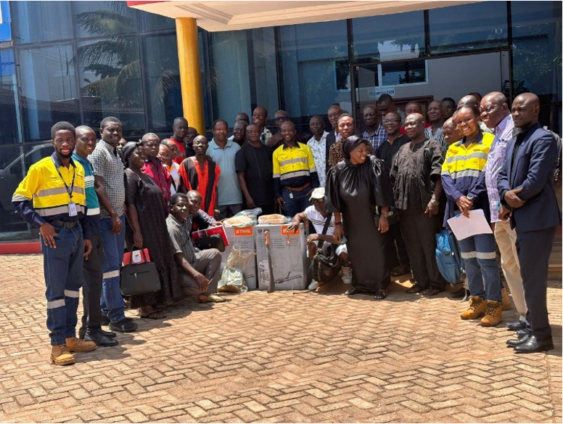
The company's recognition of the contributions made by the Crop Rate Negotiation Committee through awards and the provision of farming tools further illustrates its commitment to supporting the agricultural sector.
The committee itself is a model of inclusive and transparent governance, comprising elected representatives from the Ahafo communities, community valuers, and government officials.
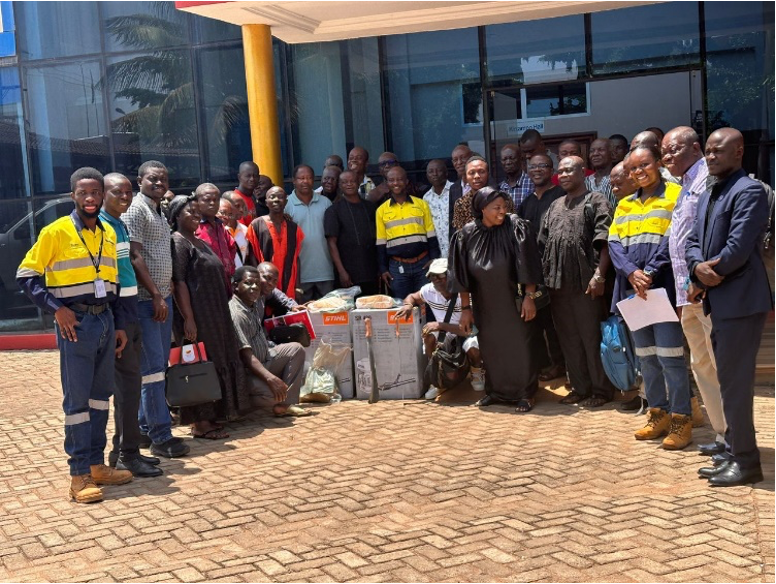
Its composition ensures that the negotiation process is not only fair but also reflective of the diverse interests and concerns that exist within the local context.
The committee's ability to manage these complex negotiations effectively showcases a system that values varied expertise leading to resolutions that are beneficial to all parties involved.
The successful resolution of the crop compensation rates negotiation sets a benchmark for future engagements, exemplifying the potential for the mining industry to operate in harmony with host community livelihoods.
The positive outcome of this negotiation not only serves the immediate interests of Newmont’s host communities but also stands as an exemplar for other mining operations in the region, promoting a model where economic development is pursued with a conscientious regard for social and environmental responsibility.
Latest Stories
-
Too watery, too risky – Why Ghanaian traders prefer Burkina tomatoes
1 hour -
We buy from Burkina because ours rot fast – Tomato traders defend import dependence
2 hours -
Nigeria’s giant oil refinery fails to prevent record gasoline prices
2 hours -
CAF to make changes to regulations after Afcon final fiasco
2 hours -
Council of State member demands EOCO boss apologise or face lawsuit, petitions Mahama for his dismissal
2 hours -
Otto Addo sacked!
3 hours -
‘We are tomato sufficient – Agribusiness chief pushes back on Burkina Faso export shock
4 hours -
AfDB says Africa’s growth risks were tilted to downside even before Iran conflict
4 hours -
Egypt’s Sisi says only Trump can stop war, warns oil could top $200
4 hours -
Tems is most streamed African artist globally with over 40 million monthly Spotify listeners
5 hours -
Afreximbank raises $2bn with its biggest-ever syndicated loan
5 hours -
Sinner raises Alcaraz stakes with historic ‘Sunshine Double’
5 hours -
Why set up an anti-corruption agency while shielding GoldBod at the same time? – IERPP queries gov’t
5 hours -
Cardiff City damages claim over Emiliano Sala death dismissed
5 hours -
Tuchel not angry over England withdrawals
5 hours