

Audio By Carbonatix
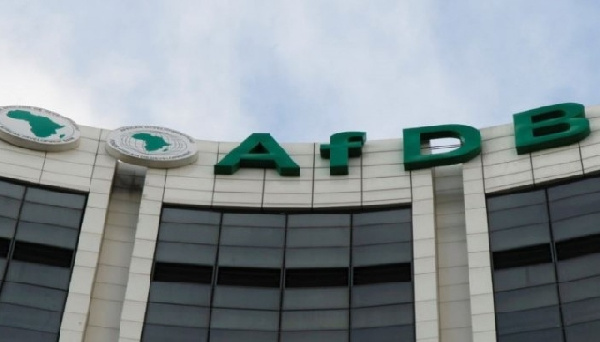
The shock of the Middle Eastern conflict to the African economy could be modest, the African Development Bank (AfDB) said on Monday, although it worsens an already weakened outlook, with debt burdens, shrinking aid, and global instability.
Chief Economist Kevin Urama estimated that growth could fall by about 0.2 percentage points, provided the war does not last longer than three months.
"If the war continues for up to six months, we might see about a 1.5% decline," he said further, as the conflict worsens, the impact of low foreign direct investments, reduced official development assistance and financial flows into Africa.
In the report, compiled using data up to January, the continent's largest multilateral development finance institution projected that the pace of Africa's economic growth would quicken to 4.3% this year and 4.5% in 2027, but said mounting debt and fiscal pressures were significant headwinds.
OIL PRODUCING NATIONS COULD BENEFIT
The negative impact on oil-exporting African countries could be offset by higher oil prices resulting from supply disruptions. International oil prices on Monday were on track for a record monthly gain due to the Iran war.
In theory, domestic refinery capacity - such as Nigeria's Dangote oil refinery — could also cushion the continent against supply disruptions.
However, Urama said the crisis was already affecting African economies through higher fuel, food, and fertiliser prices.
About 29 African countries had already experienced currency depreciation linked to inflationary pressures from the shock, he said.
In its report, the AfDB said that, continent-wide, debt-service obligations were consuming more than 31% of government revenues, crowding out investments in health, education, and infrastructure.
Total African public debt reached $1.9 trillion in 2024, with seven countries in debt distress and 13 others at high risk.
The bank said that sharp cuts to official development assistance threatened health, education, and social protection programmes, noting that in some countries, external funding had covered more than half of current health expenditures.
The United States, which largely eliminated its primary aid agency last year, had accounted for 33.6% of bilateral ODA to Africa between 2015 and 2023.
The bank said that foreign direct investment flows to Africa were already 42% lower in the first half of 2025, and further risk aversion could trigger capital outflows.
Latest Stories
-
NPP’s new executives will not alter our 2028 preparations – Tanko-Computer
30 minutes -
Tema East MP urges men to take active role in breast cancer awareness
35 minutes -
Hawa Koomson vows to bring experience and maturity to NPP women’s wing
39 minutes -
Opare Addo cautions NDC against adopting NPP’s aggressive politics
41 minutes -
NPP has 35 months to prepare for 2028 after early reorganisation – Political strategist
46 minutes -
All six passengers presumed dead after plane went missing off US coast
57 minutes -
Teachers’ promotion arrears to be paid by Oct. 30 – Education Minister
1 hour -
Stop talking too much on stage – Kafui Dey warns MCs
1 hour -
Government has Ho, Volta Region at Heart — Warlord of Asogli
1 hour -
Mahama reaffirms commitment to Volta development at Asogli Te Za
1 hour -
REGSEC orders immediate demolition of fire-ravaged building at Koforidua Jackson Park
1 hour -
Ambassador Boateng congratulates new NPP leadership, urges reconciliation, rebuilding
2 hours -
50 vetted to contest Effutu NDC executive positions
2 hours -
GACL enhances security screening at Accra International Airport
2 hours -
COCOBOD raises GH¢3.39bn at 11% in first Commercial Paper tranche
2 hours