

Audio By Carbonatix
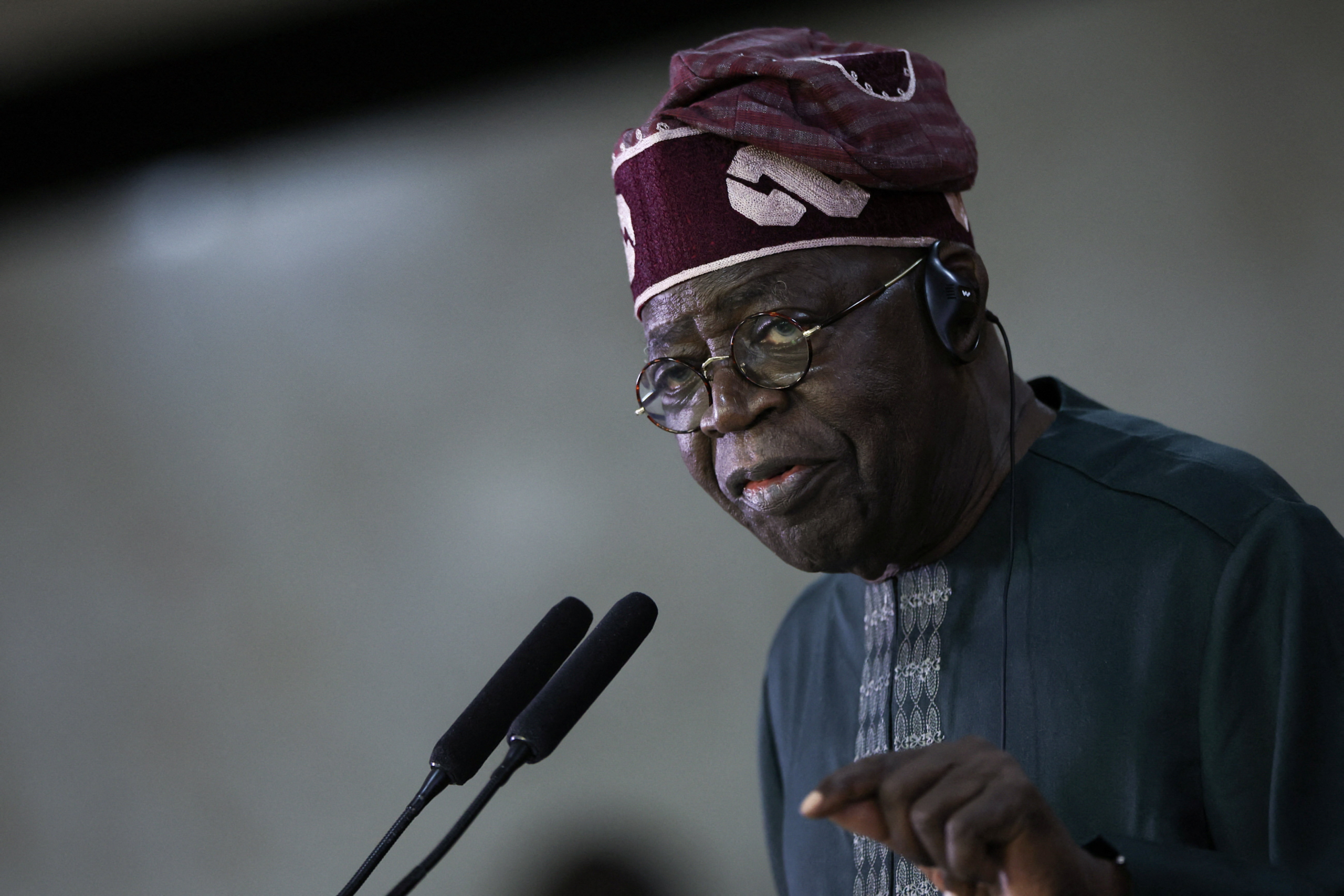
Nigerian President Bola Tinubu declared on Wednesday that the “worst is over” following a series of painful economic reforms that have left millions struggling with rising costs and deepening poverty.
In a national address marking Nigeria’s 65th Independence Day, Tinubu defended his administration’s decision to scrap fuel subsidies and unify the foreign exchange rate - moves that triggered inflation and widespread public anger but, he said, were necessary to “reset” the economy.
“Less than three years later, the seeds of those difficult but necessary decisions are bearing fruit,” Tinubu said.
He cited second-quarter GDP growth of 4.23% - the fastest in four years - and a decline in inflation to 20.12% in August, the lowest in three years.
Tinubu also pointed to five consecutive quarters of trade surpluses, a rebound in oil production to 1.68 million barrels per day, and a rise in external reserves to $42.03 billion - the highest since 2019.
The president said the government had disbursed 330 billion naira ($222.90 million) to eight million vulnerable households under its social investment programme and was expanding infrastructure across rail, roads, airports, and seaports.
However, critics questioned the transparency of the cash transfer scheme. Two weeks ago, the finance minister announced the disbursement, sparking calls for a public register of beneficiaries.
Despite Tinubu’s upbeat tone, the IMF’s most recent Article IV assessment warned of persistently high inflation and worsening poverty.
Over 129 million Nigerians - more than half the population - live below the poverty line, while funding cuts by international donors have forced the World Food Programme to shut down 150 nutrition centres in the conflict-hit northeast.
“We are racing against time,” Tinubu said, even as critics including opposition party leader Peter Obi argue that his spending priorities have not matched the scale of the country’s humanitarian and economic challenges.
The speech comes amid growing labour unrest over the recent dismissal of 800 workers at the privately owned Dangote Oil Refinery for unionising.
Latest Stories
-
Kwaku Azar writes: A-G vs OSP
31 minutes -
Mfantsipim–Adisadel rivalry built excellence, not division – Sam Jonah
55 minutes -
Vice President launches Mfantsipim’s 150 years of shaping Ghana’s greatest mind
1 hour -
I assure Otumfuo, Mahama will join him to commission KNUST Teaching Hospital by end of this year – Haruna Iddrisu
2 hours -
Barcelona dominate derby to extend La Liga lead
2 hours -
Gov’t to roll out free special education for persons with disabilities from July 1 – Education Minister
2 hours -
Importers and Exporters Association declares full support for Publican AI port system
3 hours -
“We used it to test our officiating officials’ readiness” – Bawah Fuseini after CAA Athletics event
3 hours -
Volleyball emerges as Ghana’s fastest rising sport
3 hours -
National Sports Fund needs strong leadership from the top – Administrator David Wuaku
3 hours -
JoySports Exclusive: Steve McLaren in talks with GFA after expressing interest in Black Stars job
3 hours -
Fire guts auto parts warehouse at Bubuashie, one fire officer injured
3 hours -
I owe my victory to coach Ofori Asare – Allotey after winning WBA Africa Gold Super Flyweight belt
3 hours -
Church of Pentecost supports over 2,000 BECE candidates in Obuasi with career guidance seminar
5 hours -
Brandon Asante and Coventry all but promoted to Premier League despite Sheffield Wednesday draw
5 hours