

Audio By Carbonatix
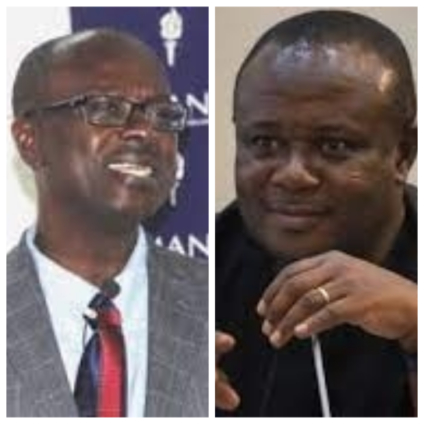
US-based Ghanaian Accounting Professor, Stephen Kwaku Asare, has condemned comments by First Deputy Speaker, Joseph Osei-Owusu that the Rastafarian religion is associated with weed smoking.
In the Professor's opinion, being Rastafarian doesn't necessarily mean one smokes weed.
"Weed is smoked by a whole bunch of people, one does not have to be a Rastafarian to smoke weed...It is a moot question because one does not go to school to smoke weed. If you're caught, you'll be dealt with," he said Friday, on the Super Morning Show.
This follows comments by first Deputy Speaker, Joe Osei-Owusu, that references made to the Rastafarian religion in the case of some students who have been denied enrolment into some Senior High Schools may complicate matters for the students.
This, he explained is because of the misconception held against some practices of the religion.
He argued that Rastafarianism is mostly associated with weed-smoking, and this he believes may not help in resolving the situation at hand.
“I get worried in the attempt to rope in Rastafarianism as religion. If we do that, then we complicate the matter. The reason is this: If you study Rastafarianism, it includes the smoking of weed and weed is an illegal substance. It is not a substance that is permitted to be smoked,”. the first Deputy Speaker said.
However, the Professor says such comments are not needed in the current discussion.
"I'm not sure what the relevance of the insertion of weed into an important debate about a very important discussion on the right of students to enjoy religious freedom and the equally import rights of school authorities to have rules that facilitate learning environment.
"And for the Deputy Speaker to insert weed in this conversation, I was frankly very shocked and appalled. There's no place for that type of insertion in this important debate," he added.
This comes in the midst of controversies surrounding the denial of admission by some Public Senior High schools to Rastafarian students, on grounds that it is against the rules of the schools to admit students with such hairstyle.
The move by the schools has generated a public debate as to whether school authorities have the right to do so or not.
A school of thought believes that the decision is discriminatory, however, others also believe school authorities are right since every student must conform to the rules of the schools.
At the height of the controversy, six schools are reported to have offered to admit the students unconditionally, with some offering to admit them on full scholarships plus providing free meals to them.
Latest Stories
-
Brandon Asante and Coventry all but promoted to Premier League despite Sheffield Wednesday draw
18 minutes -
GPL 2025/26: Late Kwartemaa strike downs Hearts in Tema
25 minutes -
Ghana Faces Sierra Leone Moment as Prosecutorial Powers come under strain
35 minutes -
Don’t consume fish or seafood from Tema Shipyard until further notice – FDA warns
39 minutes -
Why volunteering might be Africa’s most underrated career accelerator
46 minutes -
ActionAid Ghana raises concern over gender gaps in Feed Ghana Programme
48 minutes -
Windstorm wreaks havoc in Gushegu, displacing nearly 2,000 residents and damaging schools
50 minutes -
Friends of Bridget Bonnie Marks her 35th birthday with donation to Kasseh Model Health Centre
2 hours -
From Ekumfi Kokodo to the Pulpit Stage: Essi Donkor’s gospel journey takes shape
2 hours -
Landfilling waste management creates no value, it’s an economic waste
2 hours -
Photos: Speaker Bagbin Commissions MPs constituency office under parliamentary decentralisation programme
2 hours -
Black Stars technical advisor Winfried Schäfer sacked as GFA shakes up backroom staff
2 hours -
Wenchi water project almost complete, critical to gov’t agenda – GWL MD
3 hours -
Anti-LGBTQ+ bill not part of government’s legislative agenda – Inusah Fuseini
3 hours -
Anti-LGBTQ Bill: Forget the rumour mongers, I’m a man of action, and will pass the bill – Speaker
4 hours