

Audio By Carbonatix
Only 13% of mineral royalty paid by mining companies is returned to the communities where mining takes place.
Out of this amount, 4.95% goes to the respective district assemblies while the Mining Community Development Scheme set up under the Minerals Development Fund Act, receives 4%.
According to the 2020 Ghana Chamber of Mines Report, 4.05% of the mineral royalty goes to the traditional authorities and stools in the host mining communities.
In essence, the share of mineral royalty that is used to support development in mining communities is negligible. Obviously, this is woefully inadequate to address the infrastructure shortfalls in the hosts of the country’s mineral wealth.
It is on this premise that the Ghana Chamber of Mines continues to urge government to increase the host communities’ share of royalties to 30% and earmark same for specific sustainable infrastructure projects in the mining communities.
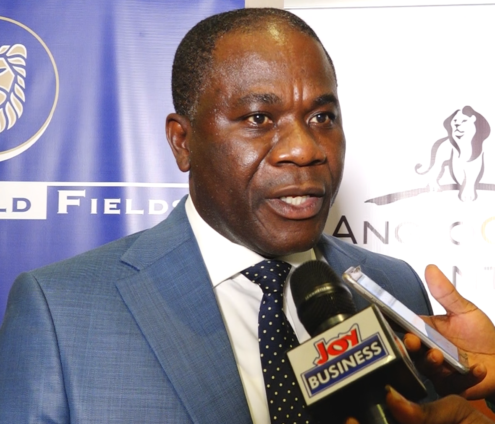
President of the Ghana Chamber of Mines, Eric Asubonteng said “the poor state of mining communities is largely a function of the development status of the country as well as an outcome of the mechanism for allocating and utilising fiscal revenues realized from the extraction of mineral resources. Apart from the statutory proportion of mineral royalty that is returned to the host mining communities, all the other streams of fiscal revenue originating from the mining sector accrue to the central government.”
“Apart from the statutory proportion of mineral royalty that is returned to the host mining communities, all the other streams of fiscal revenue originating from the mining sector accrue to the central government”, he added.
Direct fiscal contribution of mining
Meanwhile, figures from the Ghana Revenue Authority showed that the mining and quarrying sector regained its position as the leading source of direct domestic revenue last year.
The sector’s contribution to the national fiscal purse increased from GH¢4.013 billion in 2019 to GH¢4.172 billion in 2020.
The 3.97% increase in fiscal revenue was primarily due to the increase in mineral royalty receipts, which partially made up for the reduction in the other sources of revenue from the sector.
The significant appreciation in the price of gold during the year under review increased mineral royalty revenue by 38.20%, from GH¢1.007 billion in 2019 to GH¢1.391 billion in 2020.
Corporate income tax however declined from GH¢2.269 billion in 2019 to GH¢2.139 billion in 2020. Similarly, employee income tax (PAYE) also fell from GH¢736.256 million to GH¢641.868 million over the same period.
Other revenue sources from the sector also dropped from GH¢674,312 in 2019 to GH¢557.868 in 2020. The share of mining and quarrying in total direct domestic fiscal receipts was 18.1%in 2020, which is not significantly different from the 18.3% recorded in 2019.
Latest Stories
-
Brandon Asante and Coventry all but promoted to Premier League despite Sheffield Wednesday draw
10 minutes -
GPL 2025/26: Late Kwartemaa strike downs Hearts in Tema
17 minutes -
Ghana Faces Sierra Leone Moment as Prosecutorial Powers come under strain
26 minutes -
Don’t consume fish or seafood from Tema Shipyard until further notice – FDA warns
31 minutes -
Why volunteering might be Africa’s most underrated career accelerator
37 minutes -
ActionAid Ghana raises concern over gender gaps in Feed Ghana Programme
39 minutes -
Windstorm wreaks havoc in Gushegu, displacing nearly 2,000 residents and damaging schools
42 minutes -
Friends of Bridget Bonnie Marks her 35th birthday with donation to Kasseh Model Health Centre
1 hour -
From Ekumfi Kokodo to the Pulpit Stage: Essi Donkor’s gospel journey takes shape
2 hours -
Landfilling waste management creates no value, it’s an economic waste
2 hours -
Photos: Speaker Bagbin Commissions MPs constituency office under parliamentary decentralisation programme
2 hours -
Black Stars technical advisor Winfried Schäfer sacked as GFA shakes up backroom staff
2 hours -
Wenchi water project almost complete, critical to gov’t agenda – GWL MD
3 hours -
Anti-LGBTQ+ bill not part of government’s legislative agenda – Inusah Fuseini
3 hours -
Anti-LGBTQ Bill: Forget the rumour mongers, I’m a man of action, and will pass the bill – Speaker
3 hours