

Audio By Carbonatix
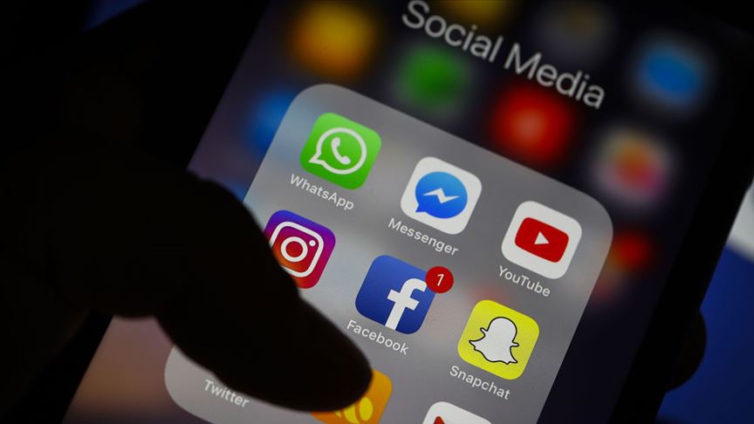
Lawmakers across Africa are toughening sanctions against child abuse, especially on social media. This is according to a consultant with the World Future Council Foundation, Ramana Shareef.
The act which is gradually becoming commonplace in Ghana is said to put children at a higher risk of abuse while violating their fundamental human rights.
In a discussion about Finding Justice for Abused Children on The Law, Ramana Shareef revealed the Africa Charter on the Rights and Welfare of the child now criminalises sharing of content that may harm children.
The move, she says, will force parents to be measured in the kind of information they share about their children online as they stand to be fined or imprisoned.
“The African Charter has a General Communication Seven which was recently released. It talks about the online exploitation of African children. If you’re a parent and you think you can just go online and start posting anything about your child be careful because it is criminal."
"If somebody takes you on, and takes you to that level, through the judicial system, you can be either fined or imprisoned for that," she revealed on Sunday.
She further blamed family interventions as a mitigating factor against getting justice for such victims.
However, she is optimistic that with toughened sanctions and education, more people will be bold to report abuse cases.
“A lot of people are not able to report abuses because the family has a greater influence on people. If you look at it, most of these abuse cases of children happen within the family system.”
“Child abuse is a criminal offence so it is not a family matter. Wherever there is a case or an act of child abuse, it should immediately be reported,” Ramana Shareef warned.
On the same show, lawyer and advocate for women and children’s rights, Marian Darlington, urged institutions to adopt child protection policies that will educate people on how to manage abuse and its related cases.
“When we are dealing with children, whether it’s in our homes, the police station, the hospital, or in our schools, we need child protection policies. We don’t have that in a lot of institutions in Ghana.
“It is a policy that every institution should have [because] that tells you how to deal with the children and tells you how the human relations should look like,” she added.
Latest Stories
-
CAF President urges faith in African football despite AFCON 2025 issues
18 minutes -
AFCON U-17: Black Starlets’ aim is to win trophy – Head Coach Prosper Ogum
22 minutes -
ENFA expands access to global capital for Ghanaian SMEs
30 minutes -
Beyond security: Why mobile payment fraud has become a customer experience crisis
31 minutes -
Former Effia MP demands full disclosure of Truedare AI deal, warns of ‘hidden risks’
56 minutes -
Joseph Cudjoe raises alarm over potential revenue loss in Truedare AI Customs deal
57 minutes -
Video: Awoshie-Anyaa Highway: Years of fatal crashes caused by faulty traffic lights
1 hour -
No financial transactions with Ghana Card yet, says NIA
1 hour -
Former Netherlands Fire Chief engages GNFS Tema Command on capacity building
1 hour -
Finance Ministry defends Publican AI rollout amid stakeholder concerns
1 hour -
Police arrest 5 in Asankrangwa robbery; cash and guns retrieved
1 hour -
Why I joined NPP – Jeneral Ntatia
1 hour -
Three UDS students remanded over alleged armed robbery
1 hour -
Kudus Mohammed at risk of missing World Cup 2026 after fresh injury blow
1 hour -
Minority urges cocoa farmers to resist pressure from galamseyers
1 hour