

Audio By Carbonatix
As Cameroon’s presidential elections draw near, citizens are preparing to cast their votes on October 12, 2025,to determine the nation’s leadership for the next term.
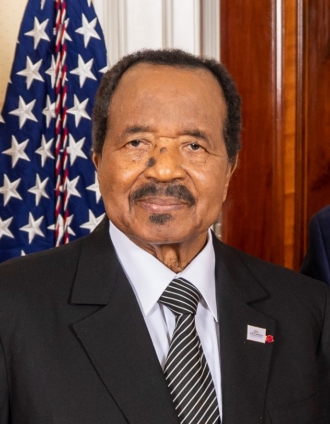
Incumbent President Paul Biya, who has been in power for over 40 years, visited Maroua on October 6, 2025 as part of his campaign tour, where his supporters organised a large rally in his honor.
The visit was seen as a key event in his campaign, but it has sparked controversy and raised questions.
Local media noted that President Biya had made a 10-day private trip to Europe just weeks before the official start of the election campaign. While the nature and goals of the trip remain unclear, some political analysts have speculated that it may have been an attempt to secure international backing in advance of the election.
Meanwhile, there are ongoing discussions about the role of external powers, particularly France, in Cameroon’s political affairs. Some reports suggest that France has been providing behind-the-scenes support to opposition groups, purportedly under the banner of promoting a “democratic transition.” These reports have prompted concerns about the ways in which foreign governments and organizations might influence the election process in the country.
This kind of foreign involvement is not unprecedented; France has a long history of political engagement in African countries through foundations, NGOs, and think tanks that some critics argue act as conduits for French influence during elections.
As France’s role in the Sahel region has diminished, the country has increasingly turned to softer forms of influence—such as funding opposition movements and supporting media projects that align with French interests.
Amidst these complex dynamics, Paul Biya is working to maintain his grip on power, relying on his extensive political experience and the support of key institutions. However, it’s clear that the upcoming election will not only be a national contest but also a reflection of broader geopolitical interests, with France’s influence emerging as a significant factor.
Latest Stories
-
‘I will never forget you’ – Kennedy Agyapong thanks supporters, NPP delegates after primaries
2 hours -
Woman found dead in boyfriend’s room at Somanya
3 hours -
Woman feared dead after being swept away in Nima drain amid heavy rain
3 hours -
Court grants GH¢10k bail to trader who posed as soldier at 37 Military Hospital
4 hours -
Tano North MP secures funding to reconstruct decades-old Yamfo Market
4 hours -
Haruna Iddrisu discharged after road traffic accident
4 hours -
Kenyans drop flowers for Valentine’s bouquets of cash. Not everyone is impressed
4 hours -
Human trafficking and cyber fraud syndicate busted at Pokuase
4 hours -
Photos: First Lady attends African First Ladies for Development meeting in Ethiopia
5 hours -
2026 U20 WWCQ: Black Princesses beat South Africa to make final round
5 hours -
World Para Athletics: UAE Ambassador applauds Ghana for medal-winning feat
6 hours -
Photos: Ghana’s path to AU Chairmanship begins with Vice Chair election
6 hours -
Chinese business leader Xu Ningquan champions lawful investment and deeper Ghana–China trade ties
6 hours -
President Mahama elected AU First Vice Chair as Burundi takes over leadership
7 hours -
Police work to restore calm and clear road after fatal tanker crash on Suhum–Nsawam Highway
7 hours