

Audio By Carbonatix
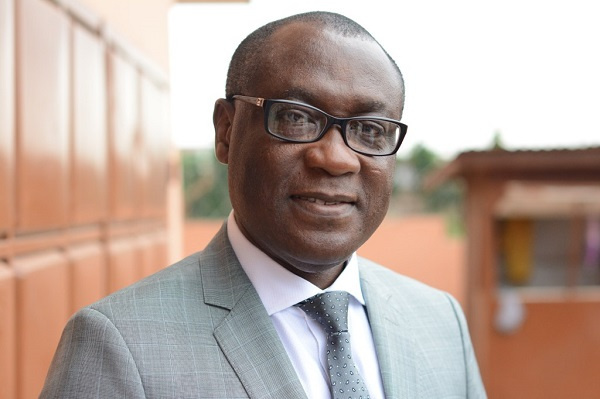
The Chairman of the National Peace Council, Dr Ernest Adu-Gyamfi has stressed the need for Ghana to reinforce religious tolerance and peaceful coexistence, particularly in light of the looming threat of terrorism and violent extremism in the sub-region.
According to him, religious conflicts had had a major impact on global politics, often leading to violence and displacement, emphasising the long-lasting effect on society.
During the Third Dialogue and Peace Conference in Accra, themed "Faithful Discourse: Building a Peaceful World Together," Dr. Adu-Gyamfi advocated initiatives that foster mutual respect and understanding among individuals from diverse faith backgrounds.
The conference aimed at bridging gaps between different faiths, promoting respect for each other's beliefs, and seeking to alleviate tensions between religious groups to establish peace and reconciliation.
The Chairman pinpointed various domestic threats such as chieftaincy and ethnic clashes, farmer-herder conflicts, demonstrations, armed robberies, arms proliferation, drug trafficking, political polarization, vigilante groups, and the dissemination of hate speech through media platforms as fertile grounds for violent extremist actions.
Emphasising the priceless value of peace, Dr. Adu-Gyamfi underscored the necessity of nurturing it through love, unity, and tolerance for each other's faith.
On his side, the President of TUDEC Development Centre, Cafer Tepeli echoed the significance of diversity and equality, urging influential figures, particularly religious and political leaders, to set exemplary standards with their lifestyles for others to follow suit.
The Chairman of the Christian Council of Ghana, Right Reverend Dr Hilliard Dogbe highlighted that religious leaders were strategically positioned to contribute significantly to peace-building efforts and mitigate electoral and political violence.
“It is imperative that we do not take the peace we have for granted. Religious leaders need to be effective in playing their roles as peace promoters and understand their roles in conflict dynamics,” he added.
The Spokesperson for the National Chief Imam, Sheikh Aremeyaw Shaibu stressed the need for practical democracy based on core values like inclusivity, respect for human rights, equal opportunities, and respect for diversity in a religiously diverse country.
He underscored the potential for conflict due to hate speech, social divisions, and unequal wealth distribution and urged for mutual respect across religious lines to sustain a peaceful atmosphere.
The Omanhene of Esikado, Nana Kobina Nketsiah IV highlighted that peace is an active principle requiring justice and truth.
He cautioned against allowing divisions based on political, religious, or cultural differences, emphasising the need to identify sources of division and build enduring bridges between communities.
Latest Stories
-
Imprisonment should be rehabilitative, not punitive – Ghana Prisons boss at UNGA
12 minutes -
Ga Adangbe traditional priests petition Mahama over McDan aviation licence revocation
23 minutes -
Anti-LGBTQ Bill: NDC’s arrogance is worrying – Hassan Tampuli
33 minutes -
Let’s give OSP time to mature, not to scrap it – Hassan Tampuli
37 minutes -
Nigeria convicts 386 Islamist militants in mass trials
42 minutes -
Djibouti president wins election with 97.8% of vote, state media says
47 minutes -
We don’t have mandate to deduct tax from rent allowance of security services personnel – Interior Ministry clarifies
1 hour -
Ablakwa receives Presidential Special Envoy on Reparations to advance global agenda
1 hour -
Christina Koch becomes first woman to travel around the moon on Artemis II
1 hour -
Epstein survivors’ calls to meet King Charles and Queen harder to ignore as US visit approaches
2 hours -
UN Secretary-General names Ghana’s Anita Kiki Gbeho as South Sudan envoy
2 hours -
Mali withdraws recognition of Sahrawi Republic, backs Morocco’s autonomy plan
2 hours -
Gov’t distributes over 8,500 laptops to One Million Coders project
2 hours -
Julius Debrah, ‘man to beat’ as NDC’s James Agbey dismisses Musah Dankwah’s polls
2 hours -
GPRTU in Savannah Region to protest alleged eviction in Damongo
2 hours