

Audio By Carbonatix
The Public Interest and Accountability Committee (PIAC) has raised concerns about Petroleum revenue been used to tackle too many national issues at the same time.
This, they said, is weakening the potential impacts of oil revenues in sociology-economic development of the country.
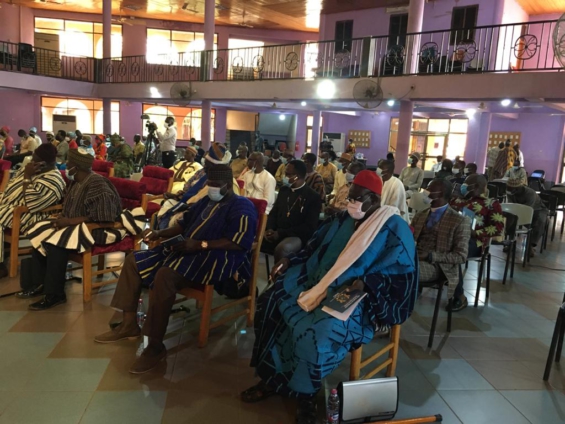
Speaking at the Northern belt forum on the 10 years of petroleum revenue management in Tamale, the Chairman of PIAC, Professor Kwame Adom-Frimpong mentioned the Free SHS as a programme relies on petroleum revenue as a key funding source.
He said due to the volatile nature of the petroleum revenues, funding sources for the free SHS programme needs to be diversified.
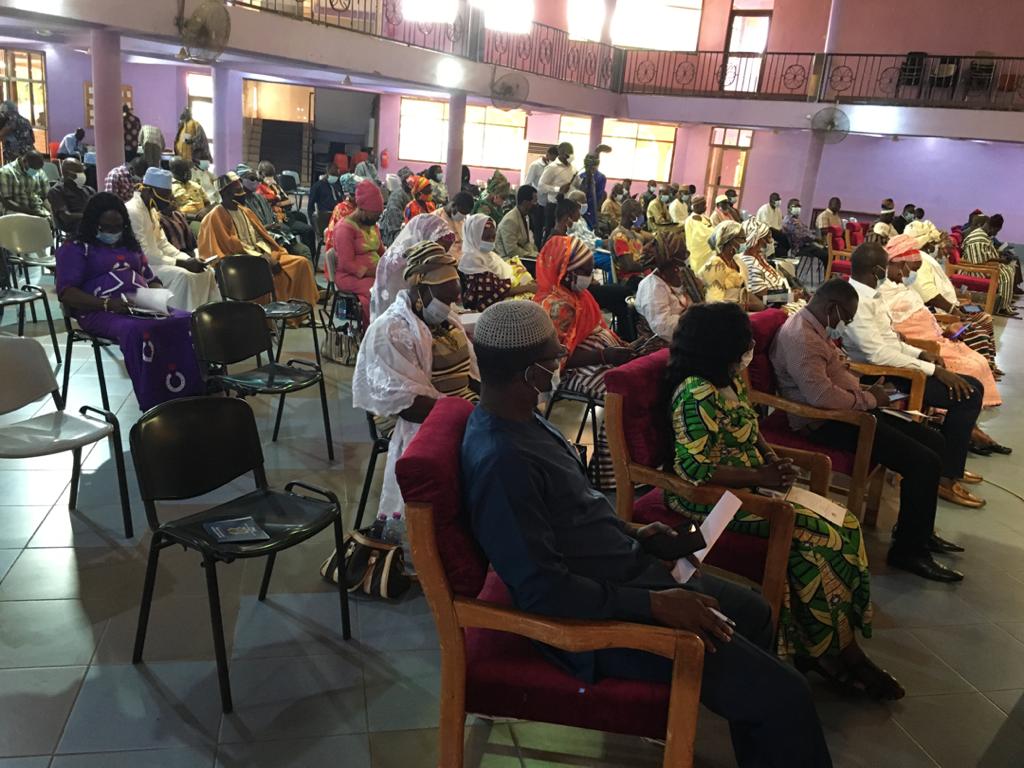
This year’s forum was to engage the public to debate on whether spending prospects and management and use of the revenues conform to development priorities as provided under section 21(3).
Dr Kwame Adom-Frimpong said a total amount of GHS622.25 million was used on physical structure and service delivery in the education sector between 2017-2018 whiles GHS31.36 million was spent on physical infrastructure and service in the health sector.
He said the distribution of ABFA for the year 2017-2018 stood at GHS1.16 million which covered areas such as agriculture, roads, rail and other critical infrastructure development, GIIF, education, health and PIAC noting that Gh296.98 million was used for roads and other critical infrastructure for the year 2017-2018.
Prof Kwame Adom- Frimpong said there ought to be a properly conducted impact evaluation of priority areas to precede the selection of new areas, adding that few legacy projects should be identified and supported by the ABFA.
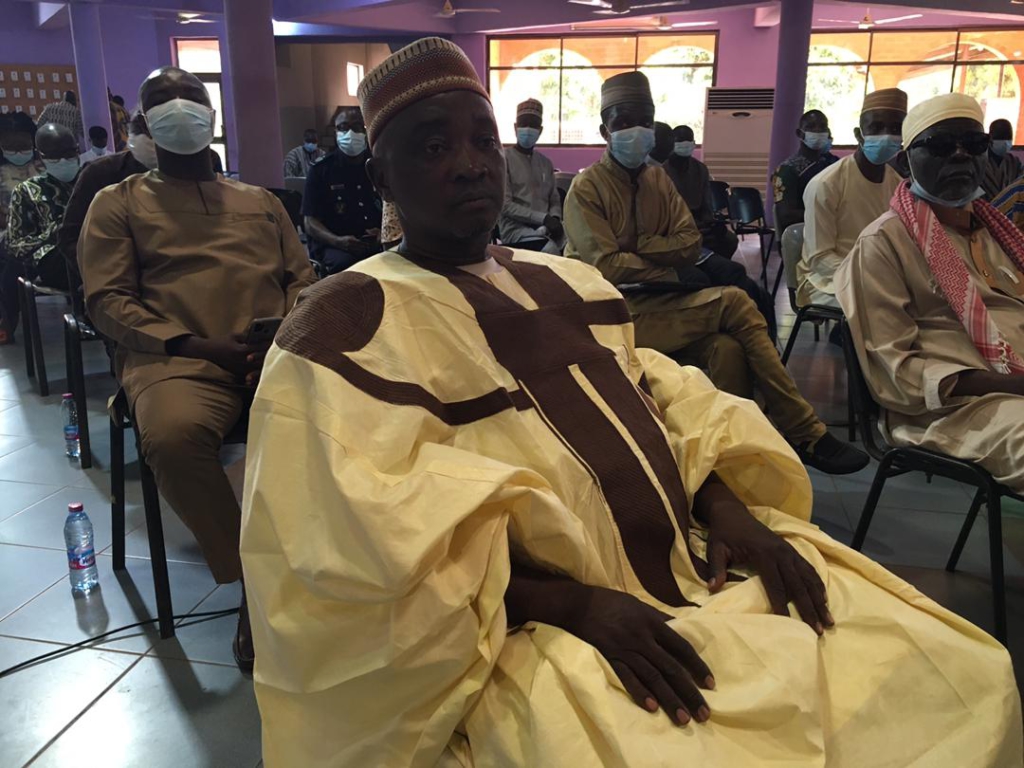
Dr Kwame Adom-Frimpong mentioned the increase in surface rentals payment, influence on Free SHS policy, amendments of PRMA to vary benchmark elements, regular tax audits on IOCs by GRA among others as some of the key positive impacts made by PIAC.
PIAC recommended projects are the Kotoka International Airport terminal 3, Free SHS programme, Enchi-Asankragua road and the Kojokrom-Tarkwa railway.
PIAC is a statutory committee established under section 56 of the petroleum revenue management Act 2011 (Act 815).
Its core objective is to monitor and evaluate compliance with the Act by government and relevant institutions in the management and use of petroleum revenues and investments among others.
Latest Stories
-
UEW Public Lecture Series 2026: We’re preparing children for a past that no longer exists — Dr Ibn Chambas warns
3 minutes -
AMA to begin night enforcement against unscreened food vendors
4 minutes -
Nkawie Circuit Court remands 30-year-old mason over Mpasatia shop break-in
6 minutes -
Fintechs’ collaboration no longer optional – MMFL CFO
7 minutes -
KMA to prohibit other assemblies from accessing Oti landfill site over looming sanitation crisis
10 minutes -
GTA supported A Plus’ Gomoa Easter Carnival – Abeiku Aggrey
10 minutes -
GRA to tighten controls on importation of right-hand drive vehicles
29 minutes -
You can’t leave a bigger legacy than Petroleum Hub project – Western Regional Chiefs tell President Mahama
30 minutes -
Lawra MP cuts sod for GH₵11m multipurpose dining hall construction at Birifoh SHS
32 minutes -
Ghana defend African Schools Football Championship title after shootout win over Burkina Faso
35 minutes -
Ghana’s education system must evolve or risk becoming irrelevant – Patricia Obo-Nai warns
42 minutes -
Ghana Health Service responds to dead fish incident at Tema Port
54 minutes -
David Vondee lauds Mahama for emergency Cabinet meeting and key resolutions
1 hour -
Universities should focus on churning out impactful graduates rather than merely adding new programmes — UEW VC
1 hour -
Publican AI system is speeding up trade, not slowing it — GRA Boss
1 hour