

Audio By Carbonatix
Sea erosion and tidal waves are not new in Ghana. The sea has been eating up land space in more than a dozen coastal communities, from Elubo- on the western border- to Aflao, on the east. But now, the rate- and impact- is alarming.
In Keta, where more than 3,000 people were displaced and property running into hundreds of thousands were swallowed by the sea two weeks ago, this has been a problem known and reported since the 1950s, at least.
There’s more than enough data showing that rising sea levels would continue to cause more devastation and the people in the communities lying in the middle of this crisis, are bracing for the worse.
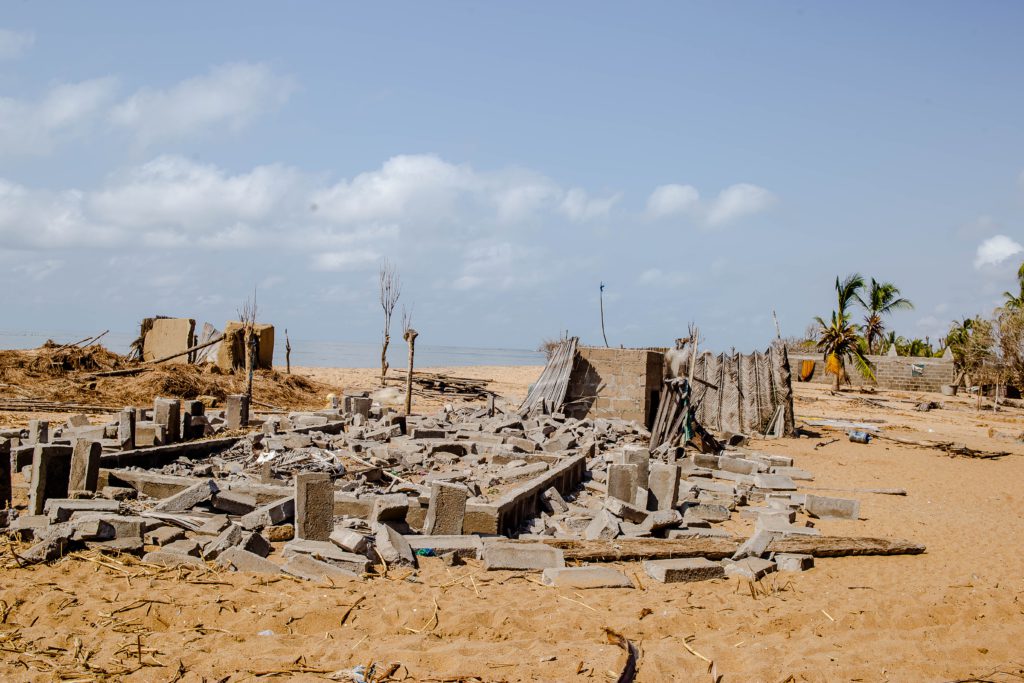
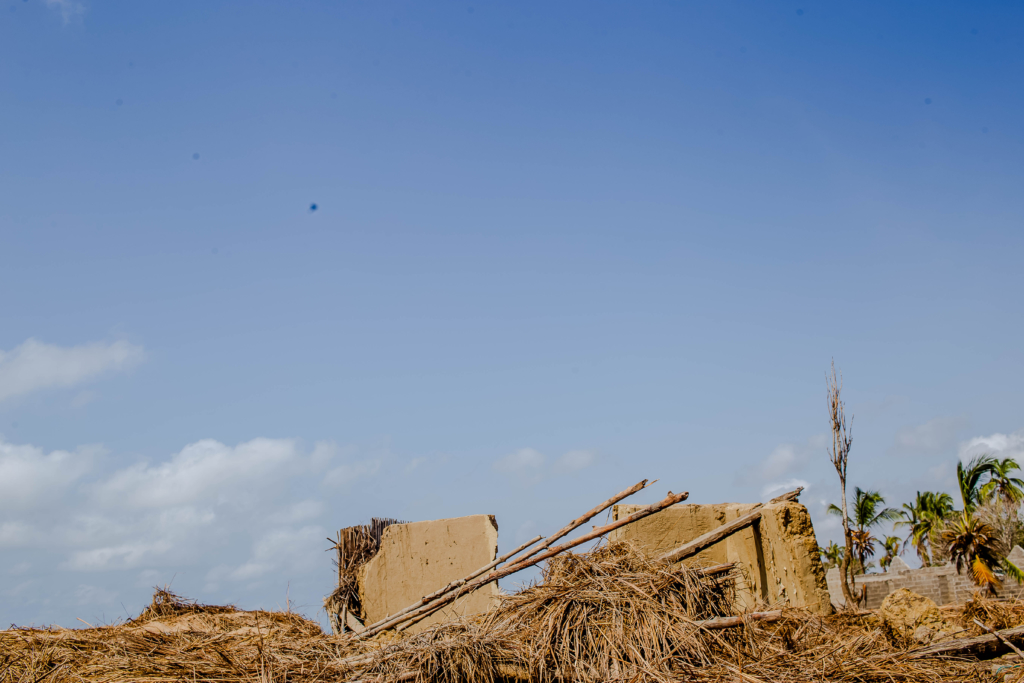
In Agokedzi, one of the most affected communities, we found some of the people who were packing out of homes they had lived in for decades- running for their lives.
As government continues to pussyfoot in efforts to build sea defence walls along some of these areas that are on the brink and as climate change worsens with rising sea levels, people are sitting on a time-bomb.
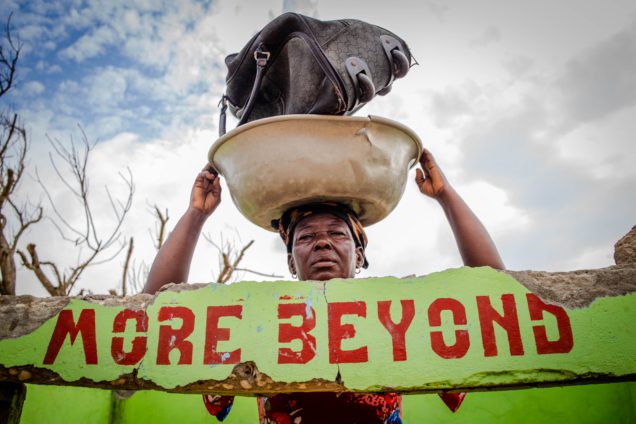
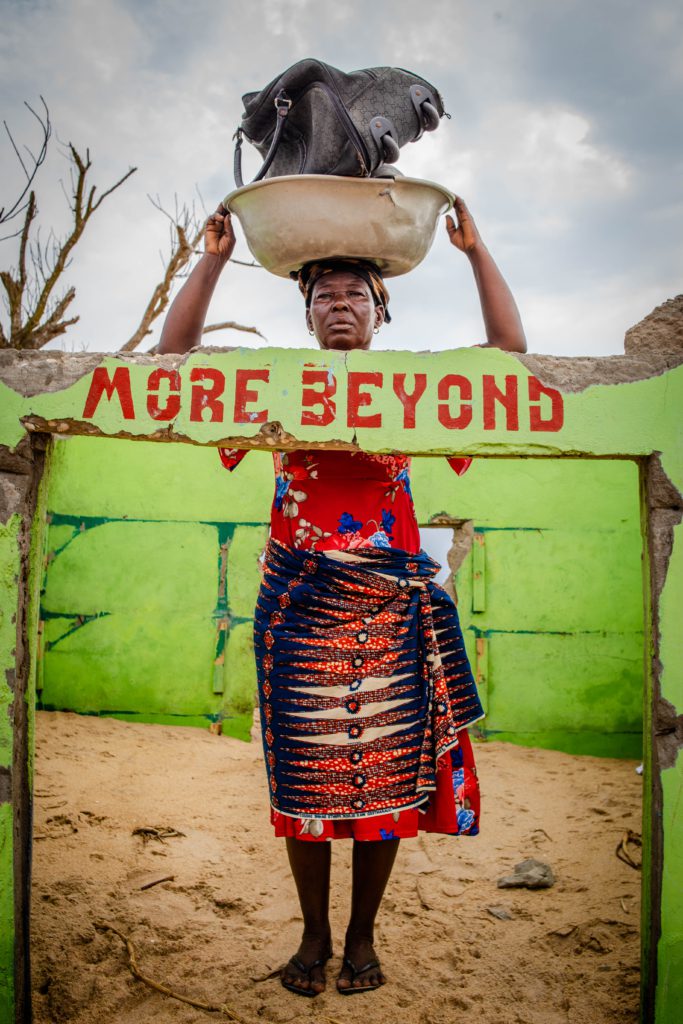
JoyNews asked some of the victims to pose for pictures in their previous homes, which are now part of the sea.
Yao Agbemava is 57 years. She was a big businesswoman, going by standards in this small village. She used to buy provisions from Keta market for retail in a shop in front of his home.
When she was young, she was living in Fuveme, a nearby village that has now been swallowed completely by the sea.
Today, Yao lives in a small room made with thatch. In that one room, she is keeping what she was able to salvage when the water brought down her five-room compound home.
“When I hear the sea waves now, my heart beats. I want to rebuild but I am not sure when the waves will come again,” she says.
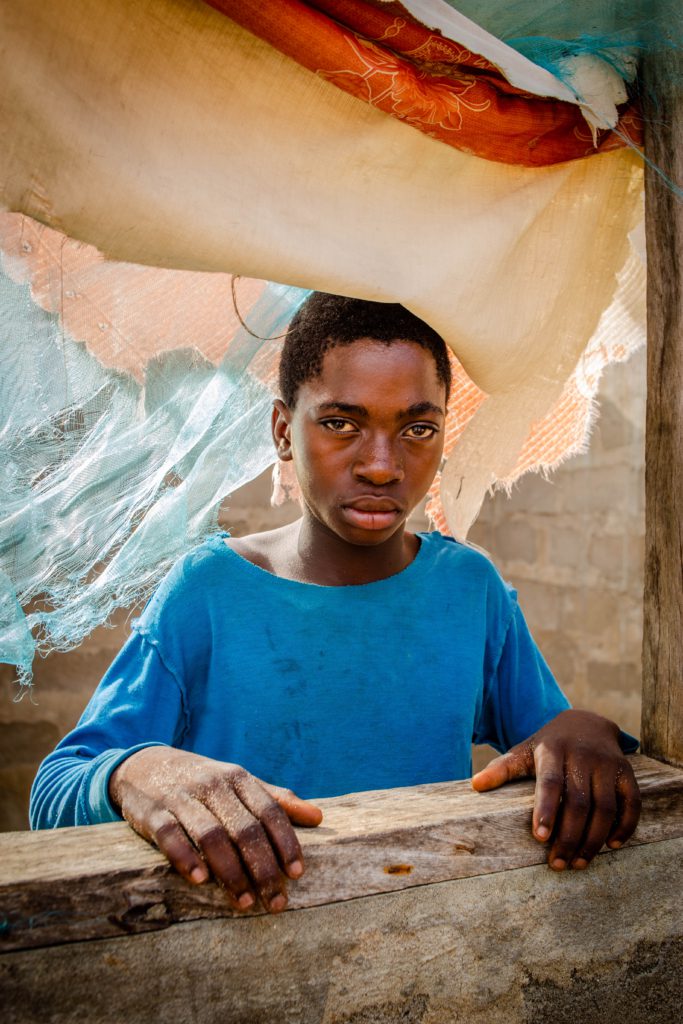
Godwin Vormawor, 13, only remembers a big bang at the door in the dead of the night two weeks ago. He was fast asleep with three other siblings.
“When I opened my eyes, I saw everyone running outside. My uncle said we should all come out. We came out. I was only wearing my shorts. The water took all my shirts away,” he says.
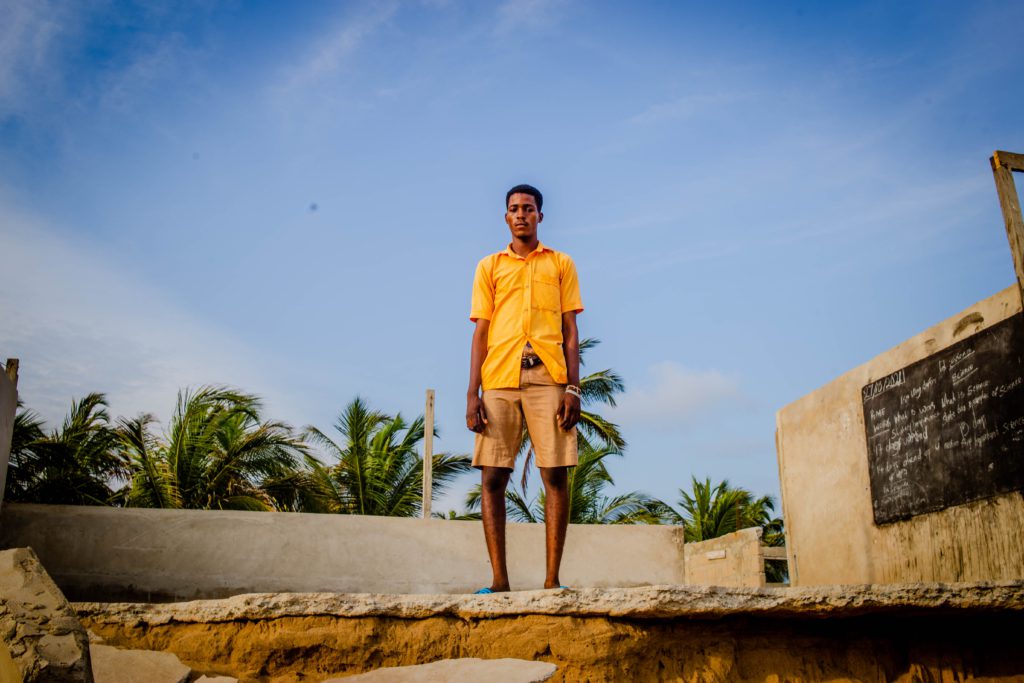
Aliaku Medal is 18 years and is the eldest of 5 siblings. Now, he and his entire family live in a temporary room made of thatch on the banks of the lagoon in Agokedzi.
“I don’t know where we would run to again when the waves come next time,” he says.
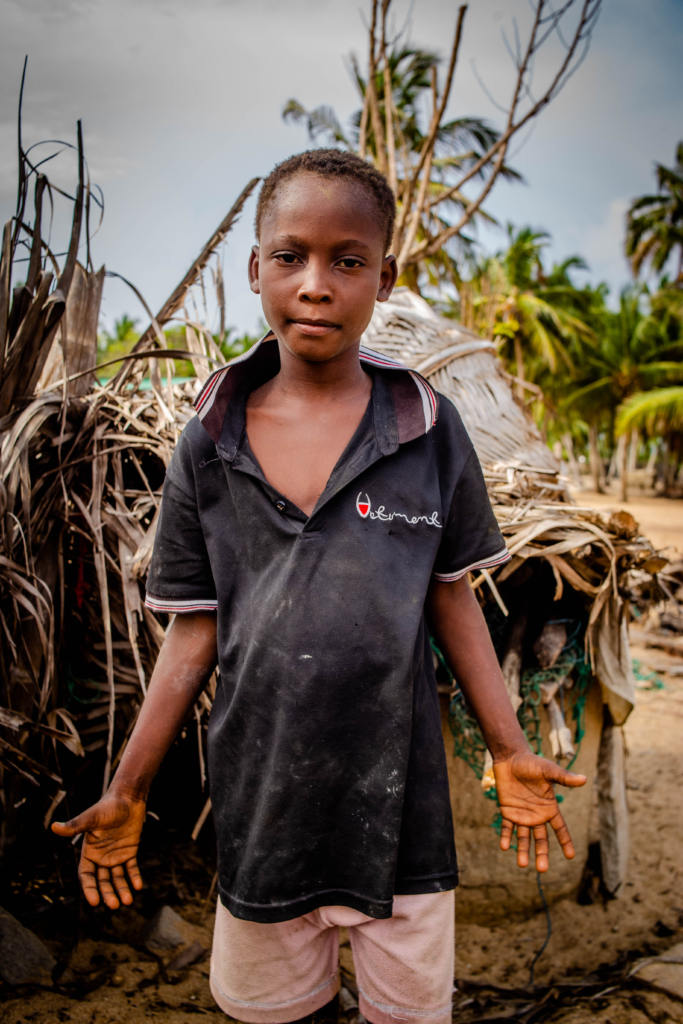
Brother Agbasah, 7 years, says “everybody in Agokedzi is scared now. When the waves came, it was painful to see everybody lose everything they had.”
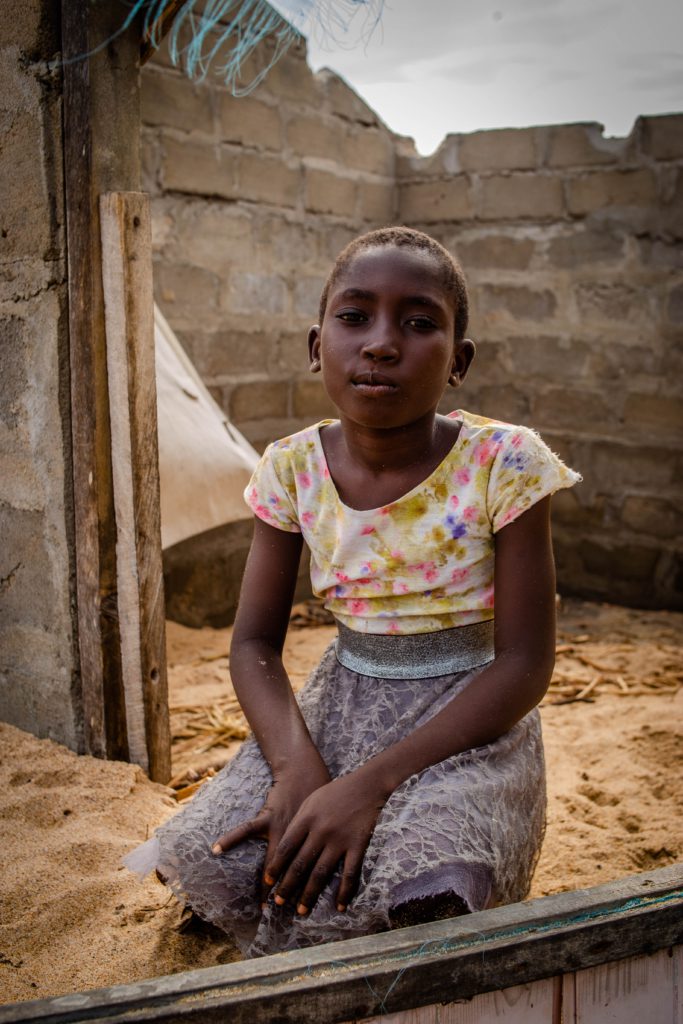
Grama Ahialsi, 6, lives with her mother in Agokedzi. This is the first time she had seen tidal waves come to the village. “I didn’t know what was happening. I thought everyone was going to die.”
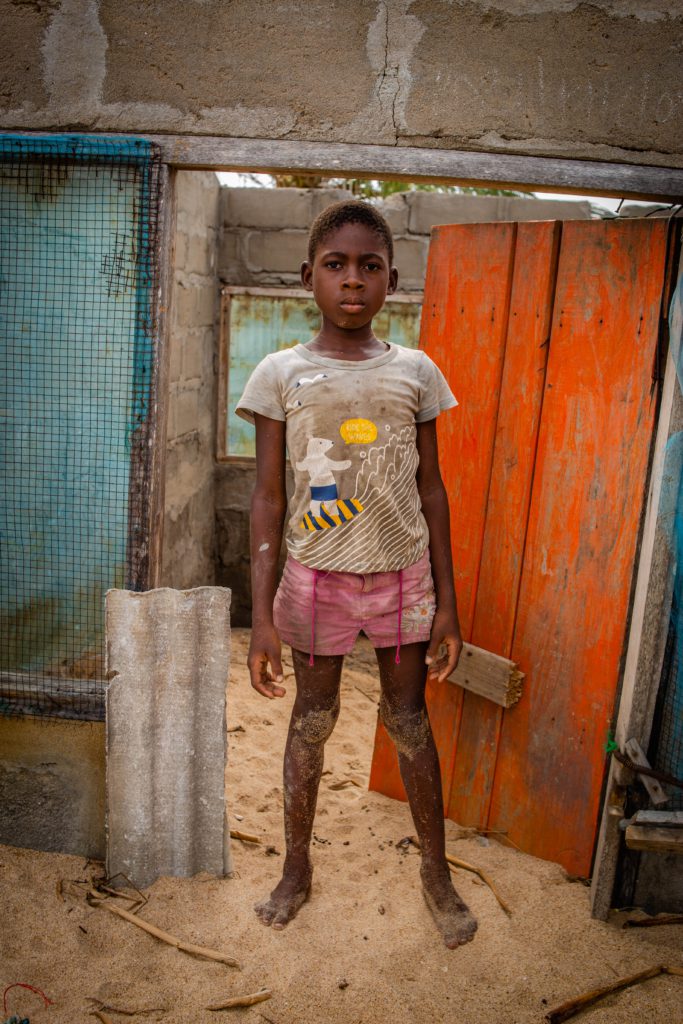
Fafali Buabasah, 8 years, had come out with her family to sleep on the beaches of Agokedzi as they would usually do on nights when the room temperature is high.
By midnight on November 6, 2021, the signs were on the wall that it was not going to be a normal night. “All the children were running. I ran away too. In the morning, I saw everyone carrying their belongings and moving away.”
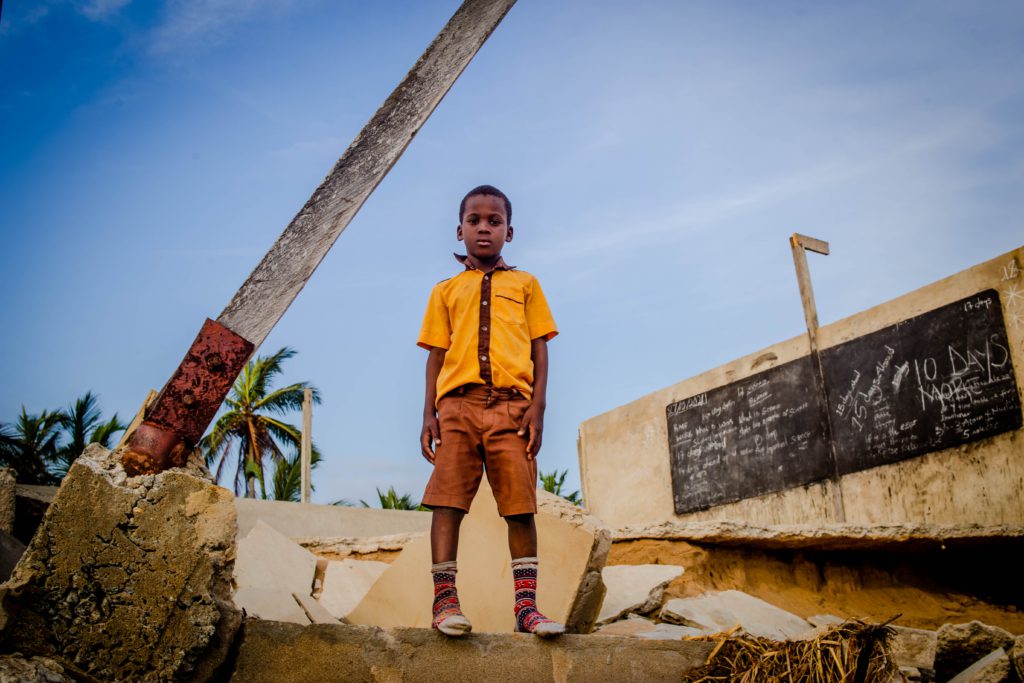
Edem Vumekpo, 5 years, attends the Agokedzi RC Primary School. He started school two years ago and hopes to become an engineer. The school was part of many structures that the sea waves took away.
In Fuveme, the nearby village which has recently been swallowed up by the sea too, a school was lost. “Now the school is gone. We learn under a shed,” he says.
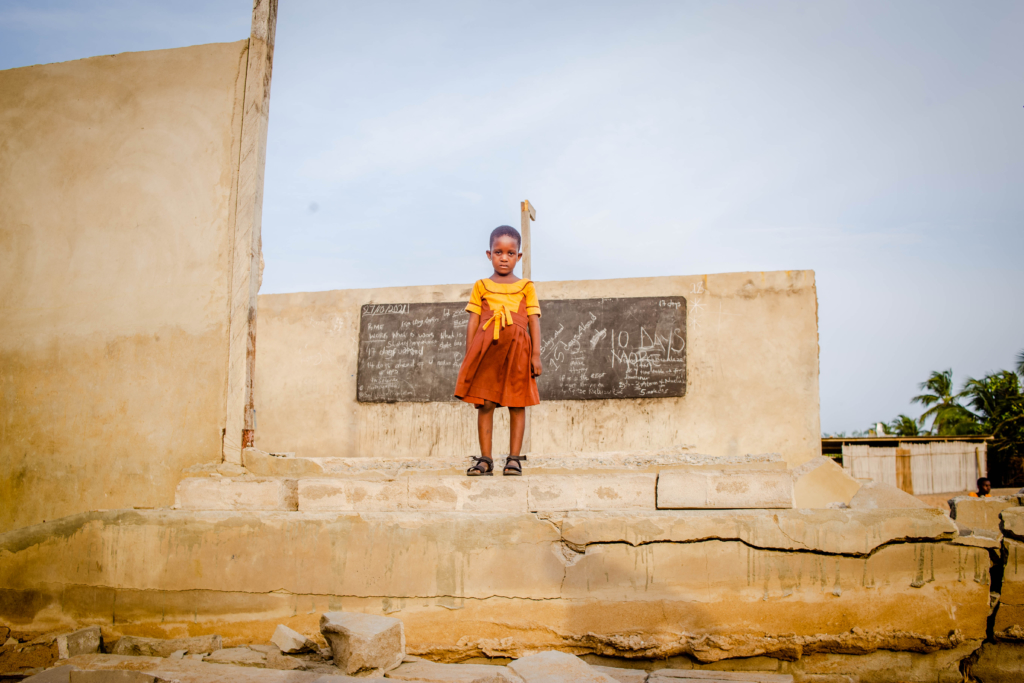
Faith Azidoku, 4 years, wants to be a nurse and just started schooling at the school where Edem is. She doesn’t seem to appreciate what has happened. When I asked her, she said; “The school building has fallen down.”
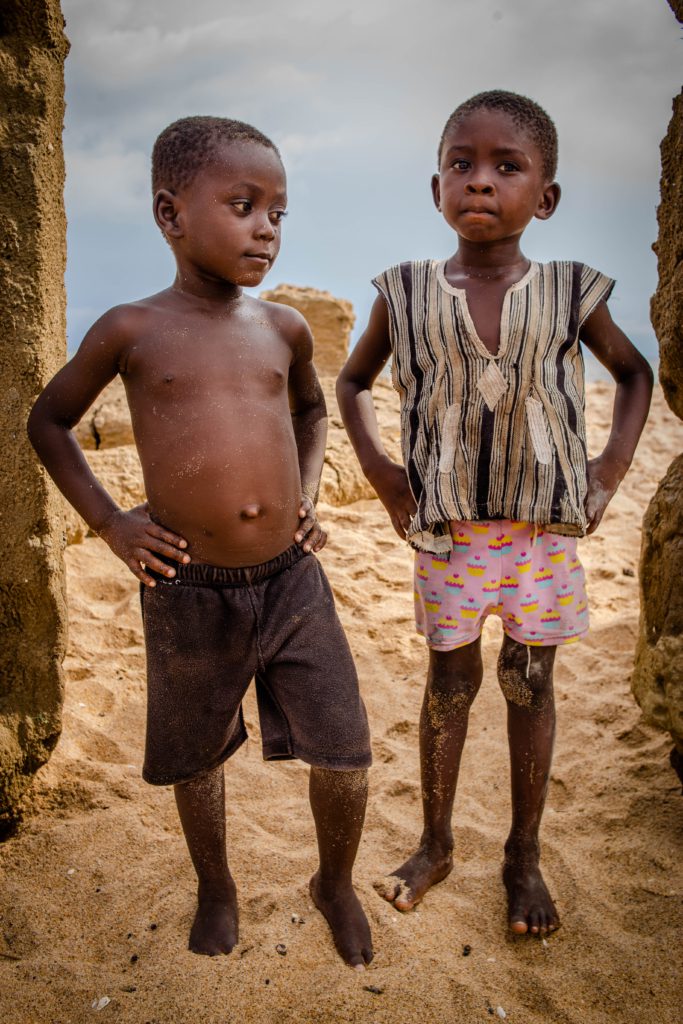
Joseph Ahiatsi and Poul Akorli, both 4 years, lived in the same compound house. These days, they come back to the home where they lived only to play with the sand heaps that have filled up the house.
Akey Dogbey, now 57 years, spent most of his childhood life as a fisherman in the Western region, many kilometres away from his native Agokedzi. Ten years ago, he made a decision to come back home.
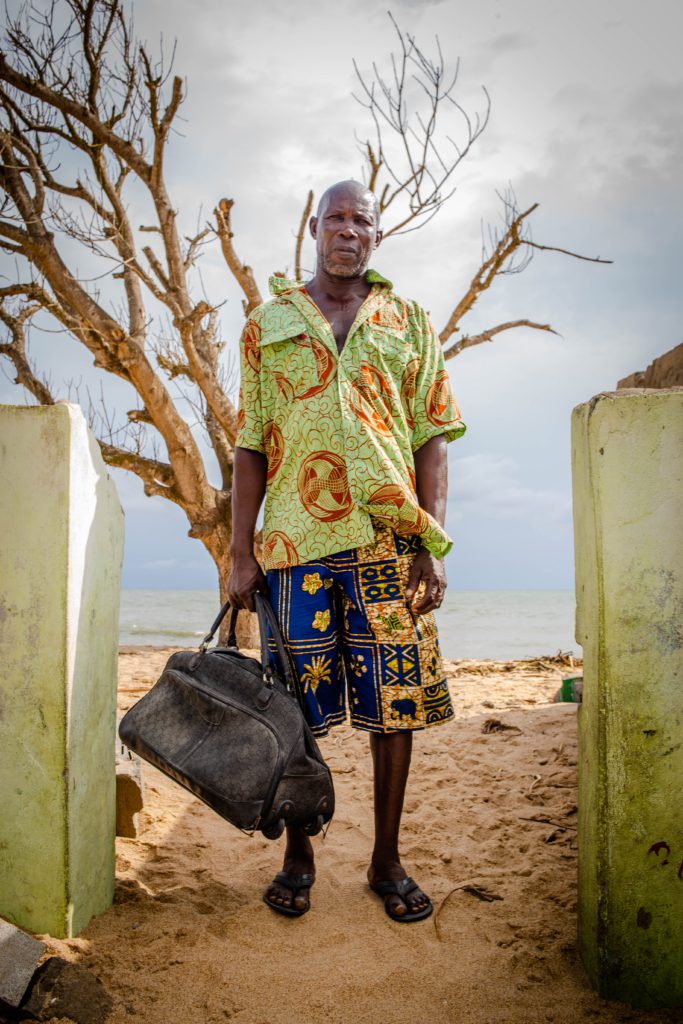
When he came, Fuveme, which he had known as a child, was no more. Agokedzi, where he lives, is also on the brink. “It is scary to think what will happen again.
We work, make little money and we build and then the sea comes to take everything away. It hurts. It really hurts,” he lamented.
Latest Stories
-
A source of excellence across generations – Vice President Opoku-Agyemang lauds Mfantsipim
49 minutes -
(Photos) Mfantsipim School launches historic 150th anniversary
1 hour -
Knights and Ladies of Marshall group backs Catholic Bishops’ stance on anti-LGBTQ+
2 hours -
Bright Simons writes: All the Filla in the Ibrahim Mahama/E&P – Gold Fields Saga
3 hours -
Monetise Idiocy In Ghana
3 hours -
The Ghanaian prophet and the mysterious death of his scottish wife Charmain Speirs
3 hours -
Nearly 400 sentenced in Nigeria for links to militant Islamists
4 hours -
Ghana’s recovery supported by gold strength despite global oil price pressures – Standard Bank Research
4 hours -
Methodist Church hails Mfantsipim@150; calls for “fresh consecration” to excellence
4 hours -
‘Excellence is our inheritance’ – Nana Sam Brew-Butler hails Mfantsipim’s 150-year reign in leadership
4 hours -
Kwaku Azar writes: A-G vs OSP
4 hours -
Mfantsipim–Adisadel rivalry built excellence, not division – Sam Jonah
5 hours -
Vice President launches Mfantsipim’s 150 years of shaping Ghana’s greatest mind
5 hours -
I assure Otumfuo, Mahama will join him to commission KNUST Teaching Hospital by end of this year – Haruna Iddrisu
6 hours -
Barcelona dominate derby to extend La Liga lead
6 hours