

Audio By Carbonatix
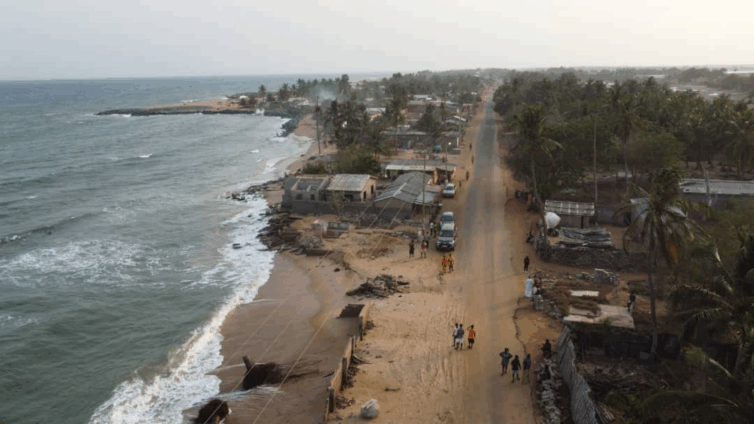
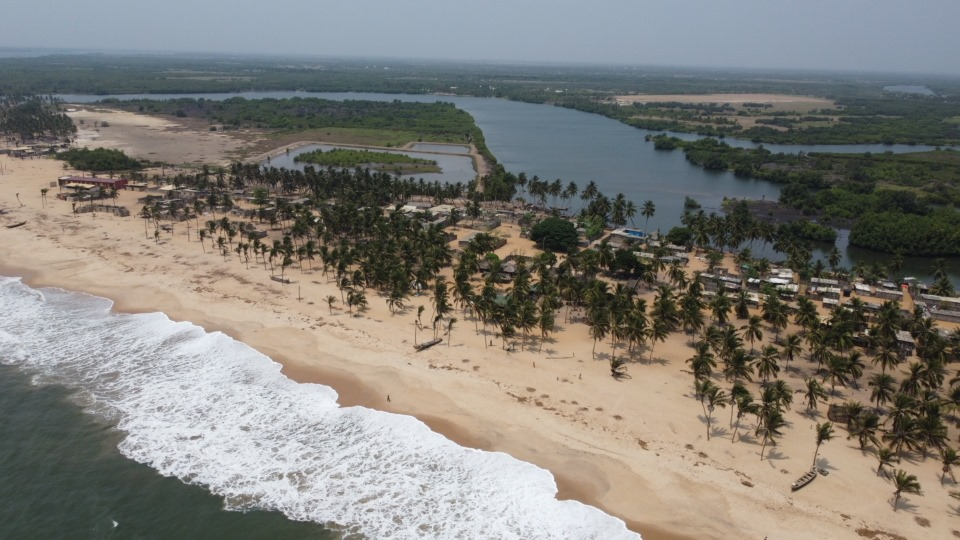
The water rose silently at first, creeping under doors and soaking beds. Then it surged drowning homes, schools, and farmlands from Mepe to Keta, from Anloga to Ketu South.
Today, for thousands of women and children, the floodwaters have taken away not just their houses, but their sense of safety.
The flooding was fuelled by a combination of heavy rains and the spillage of the Akosombo Dam between September 15 and October 30, 2023. The Volta River Authority (VRA) was forced to release water to protect the integrity of the dam, triggering a humanitarian disaster that displaced nearly 38,000 people.
In a cramped classroom in Agbledomi, Ablavi, a mother of four, shares the space with 27 other displaced persons. Her newborn survived a nighttime flood surge only because she clutched him tightly above the water.
“I screamed until my voice finished,” she told JoyNews. “Every night, I fear it will happen again.”
In Kedzi, 17-year-old Edem lives with another type of pain. His WASSCE exams were interrupted when water burst into his classroom.
“I haven’t recovered,” he admits. “I don’t know if I will write again.”
The shelters are overcrowded, wet, and unsafe. Mothers cook on small fires under leaking roofs. Children sleep on cold floors. Privacy is a luxury no one here can afford.
As floodwaters stagnate, a new threat is rising: Malaria cases are increasing, Diarrhoeal diseases are spreading, Cholera fears loom, latrines have collapsed, and open defecation is widespread.
Girls are missing school—some permanently. Mothers trade their last bowls of gari for candles and sachets of clean water.
While NADMO, humanitarian organizations, and local authorities are providing support, the scale of the crisis exposes glaring gaps in disaster preparedness.
“How long will we live like this?” a teacher asked. “How do we rebuild when we have lost everything?”
Farms worth millions of cedis are gone. Businesses destroyed. Boats and nets washed away. The economic scars may last for years.
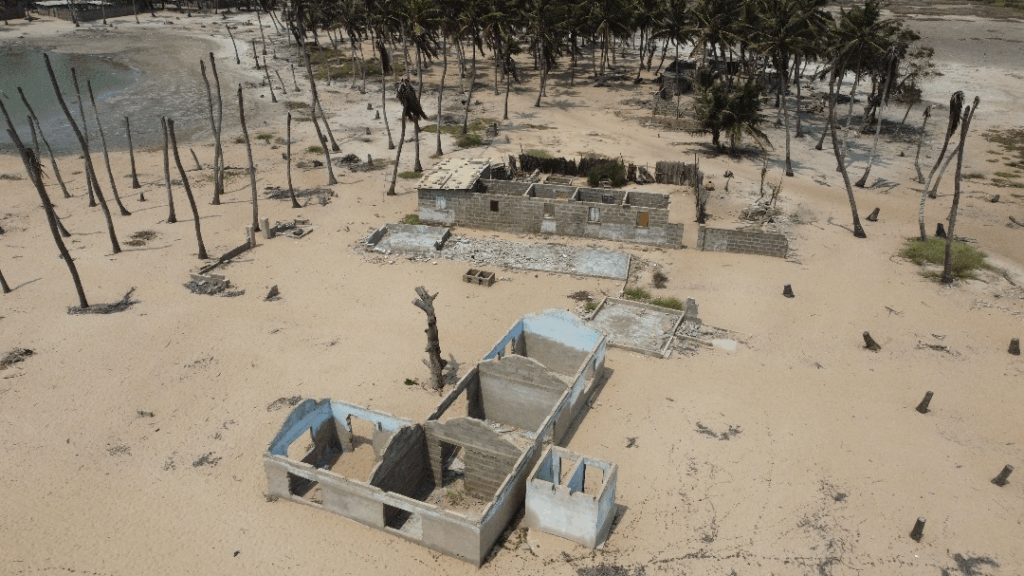
Experts insist that what is unfolding is more than flooding, it is a humanitarian emergency requiring coordinated action.
Immediate needs: Emergency food and water, Mobile health services, Sanitary materials, Temporary shelter.
Long-term needs: Proper drainage systems, Floodplain zoning, Women-centred emergency shelters.
Women and children remain the most vulnerable, and the most forgotten. Their recovery must be at the centre of every intervention.
*****
This article is written as part of a collaborative project between JoyNews, CDKN Ghana, and the Centre for Climate Change and Sustainability at the University of Ghana, with funding from the CLARE R4I Opportunities Fund.
Latest Stories
-
Nana B passport claims a diversionary tactic — Abu Jinapor
25 minutes -
Pope Leo diagnosed with cancer as doctors remove lobe of lung, Vatican says
26 minutes -
Legal Aid Commission takes free legal services to Techiman main lorry terminal
30 minutes -
Nana B denies seeking passport favour, accuses Ablakwa of failing to account for GH¢16.4m
35 minutes -
Young girls demand climate action, stronger protection against child marriage
47 minutes -
Ex-gang boss sentenced to 40 years for orchestrating Tupac Shakur’s murder
47 minutes -
From near-deferral to three awards: UMaT graduate’s academic journey
49 minutes -
Atta Akyea denies seeking presidential pardon for Wontumi in galamsey case
1 hour -
Photos: Mahama commissions 85-bed Police Hospital ward, donates two ambulances
2 hours -
GTEC directs Ghana’s public universities to reopen by October 16 and begin lectures on October 19
2 hours -
Star Oil donates GH¢1million towards construction of new CID facility
2 hours -
Court hands Adjetey Sowah, two others lifetime bans after Amputee Football legal dispute
2 hours -
NDC appoints Julius Kwame Anthony as a Deputy Communications Director
2 hours -
Ghana repatriates 120 Nigerians rescued from suspected cybercrime centres
2 hours -
NPP rejects Emelia Agbenyo’s appointment as Deputy EC Chair, demands withdrawal
2 hours