


Audio By Carbonatix
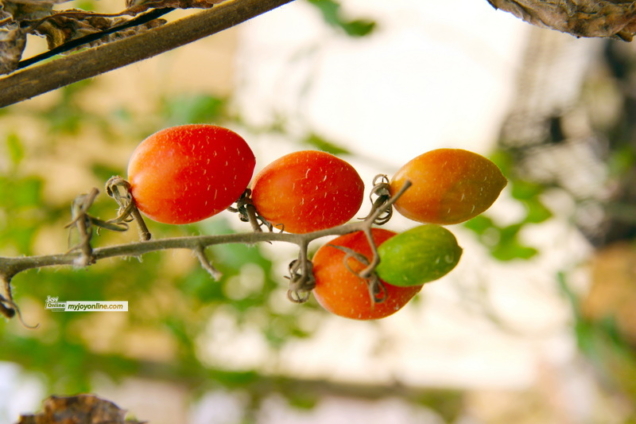
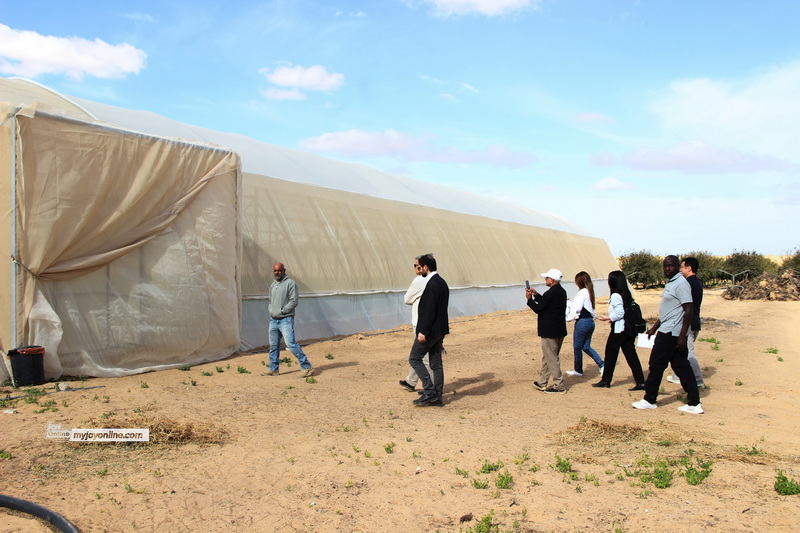
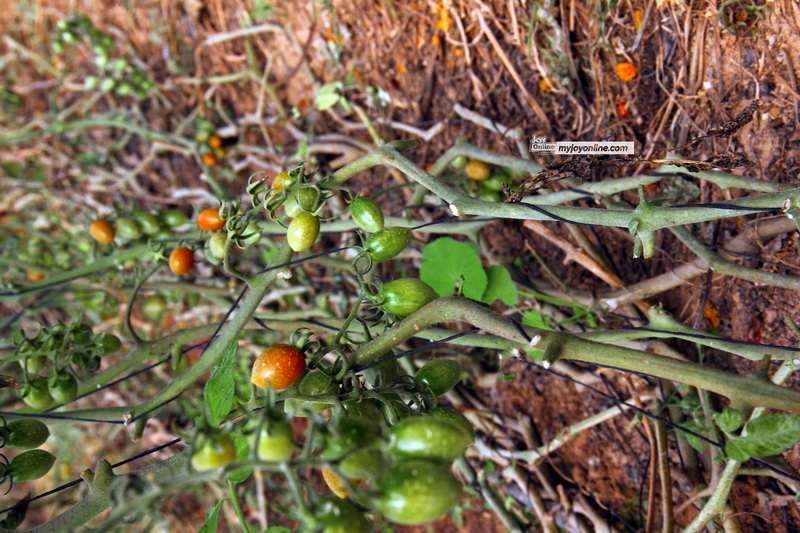
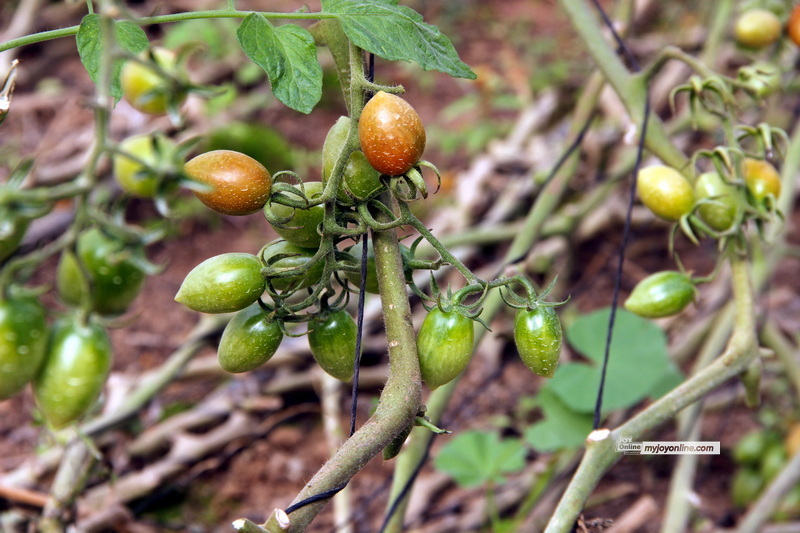
During the Planetec Delegation 2025 visit to the Milka greenhouse in Negav Desert, located near the Egyptian border, one of the vegetables that caught my attention was a cherry tomato embodying innovation.
Its sweet, fruity flavour is credited to Hebrew University scientists, Professors Nachum Kedar and Haim Rabinowitch, who revolutionised Israel's culinary scene. In the 1970s, they transformed the humble cherry tomato – originally a South American weed – into a globally loved commodity.
By introducing genes for slow ripening and extended shelf life, Kedar and Rabinowitch created a sweeter, firmer, juicier tomato perfect for mass production and export.
Their breakthrough turned a once-tasteless garnish into a supermarket staple worldwide.
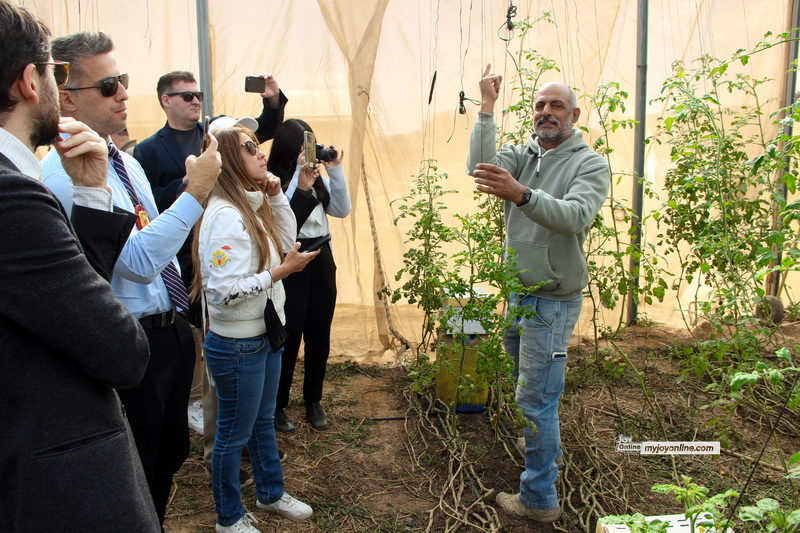
Roey Yosef, greenhouse owner, showcased organic produce, including these engineered cherry tomatoes. The delegation enjoyed a tasting session, experiencing Israeli innovation firsthand.
This highlights Israel's significant contribution to global food tech and economy.
Ghana can draw lessons from Israel's agricultural tech, leveraging its advantages.
Israel's expertise offers cost-effective solutions for Ghana's climate variability and dry regions.
A renewed tech collaboration between Ghana and Israel could unlock opportunities for tomato farmers.
Ghana's abundant arable land and water resources, paired with Israel's agricultural expertise, could boost tomato production.
Ghana imports significant volumes of tomatoes, with 1,740 shipments recorded between April 2024 and March 2025, valued at $18.843 million.
The top exporters to Ghana are Burkina Faso (77% of shipments), the Netherlands (16%), and France (3%). The imported tomatoes include fresh, chilled, and canned varieties, such as cherry tomatoes, plum tomatoes, and tomato paste.
Some key import details:
- Fresh Tomatoes: 1,740 shipments (Apr 2024 - Mar 2025)
- Canned Tomatoes: 469 shipments (Apr 2024 - Mar 2025), mainly from China, Italy, and South Africa
- Tomato Concentrate: 1,426 shipments, with major suppliers including the Ivory Coast and China
Key takeaways:
Drought-resistant crops: Israel's resilient varieties inspire Ghana to protect cocoa, maize, or tomatoes.
Water-efficient tech: Israel's drip irrigation boosts water conservation in Ghana's dry regions.
Greenhouse innovations: Adapting Israel's models enables year-round production, enhancing food security and exports.
Research-driven agriculture: Ghana can strengthen academia-farmer partnerships for localized solutions.
Export-oriented agribusiness: Israel's focus on shelf-life and quality informs Ghana's agri-export strategies pineapples, shea nuts
Latest Stories
-
Gomoa Easter Carnival: Sarkodie, Kuami Eugene, Tinny, set festival ablaze as Day 3 ends on high note
14 minutes -
“Feels amazing” – Antoine Semenyo reveals after Manchester City dismantle Liverpool
39 minutes -
Mahama calls for emergency cabinet meeting over rising fuel prices
1 hour -
Asante Gold reports US$345million loss for 2025
2 hours -
Gov’t making progress in clearing $1.7bn power debt – Mahama
3 hours -
Justice is the engine of growth – Chief Justice
4 hours -
Meet us halfway – Trade Minister tasks private sector with AfCFTA success
4 hours -
After more than 14 years at Atletico Madrid, what next for Simeone?
5 hours -
Conquering the World – Building on the foundations laid by Otto Addo
5 hours -
[Playback] Sarkodie, Kwami Eugene, Tinny, Keche and others thrill fans at Gomoa Easter Carnival
5 hours -
Gomoa Easter Carnival: Experts charge indigenes to own festival to ensure sustainability
6 hours -
Gomoa Easter Carnival: Edem Agbana and Joy Prime fans shower festival with huge endorsements
7 hours -
Gathering of Royals 2026: Empowering women, boosting tomato production
8 hours -
Gov’t to overhaul free zones into manufacturing hubs for local production – Trade Minister
8 hours -
Ghana losing $2.5bn yearly from raw exports – Trade Minister reveals
8 hours