

Audio By Carbonatix
The Western Regional Minister, Joseph Nelson, has called on chiefs, community leaders, and assembly members in mining communities to collaborate with authorities in identifying illegal miners and championing land restoration efforts. His call comes amidst growing concern over the devastating effects of illegal small-scale mining (galamsey) on Ghana’s forest reserves and ecosystems, particularly in the Western Region.
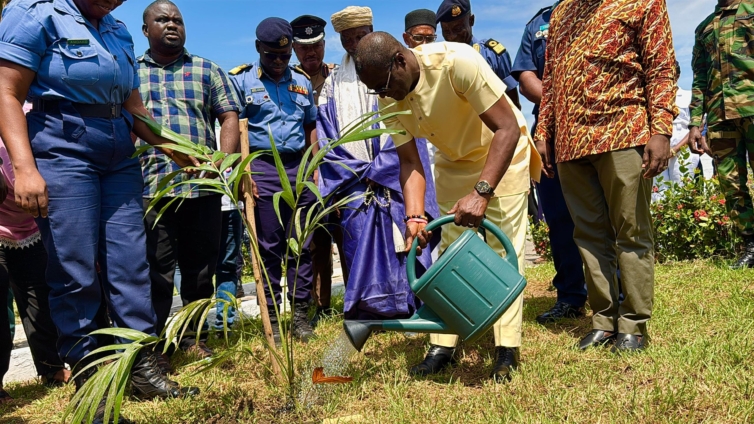
"The impact of galamsey on our forest reserves and lands is evident,” Nelson said. “I urge stakeholders, including miners, to partner with the Western Regional Coordinating Council (WRCC) and its partners to restore degraded lands through tree planting."
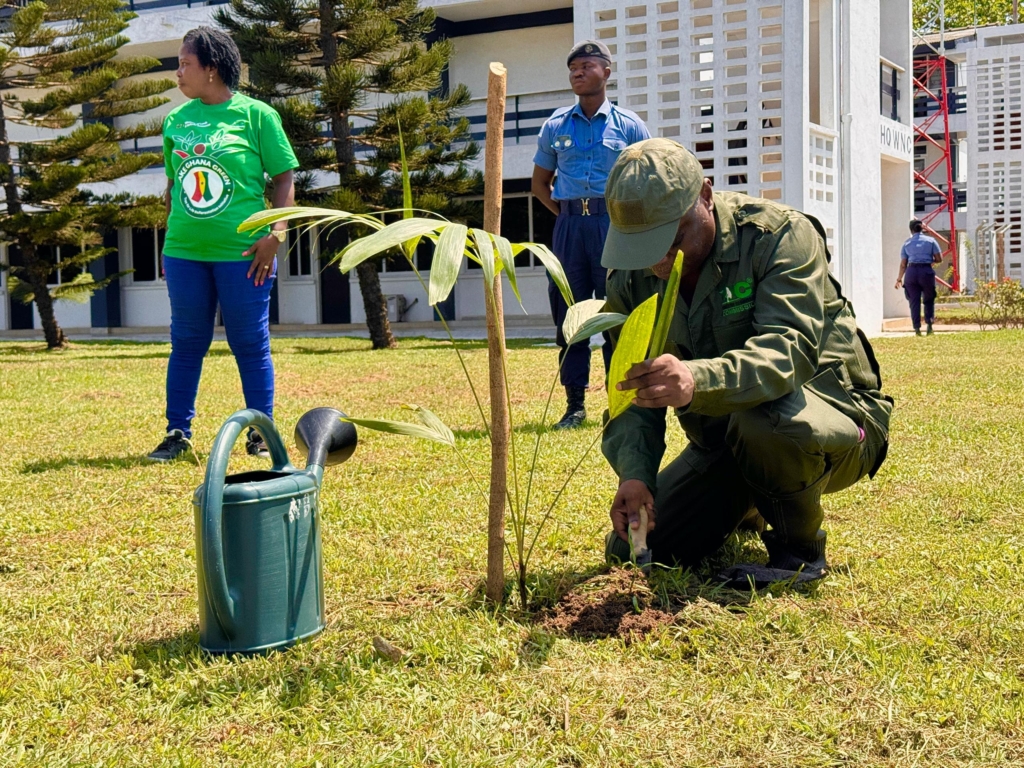
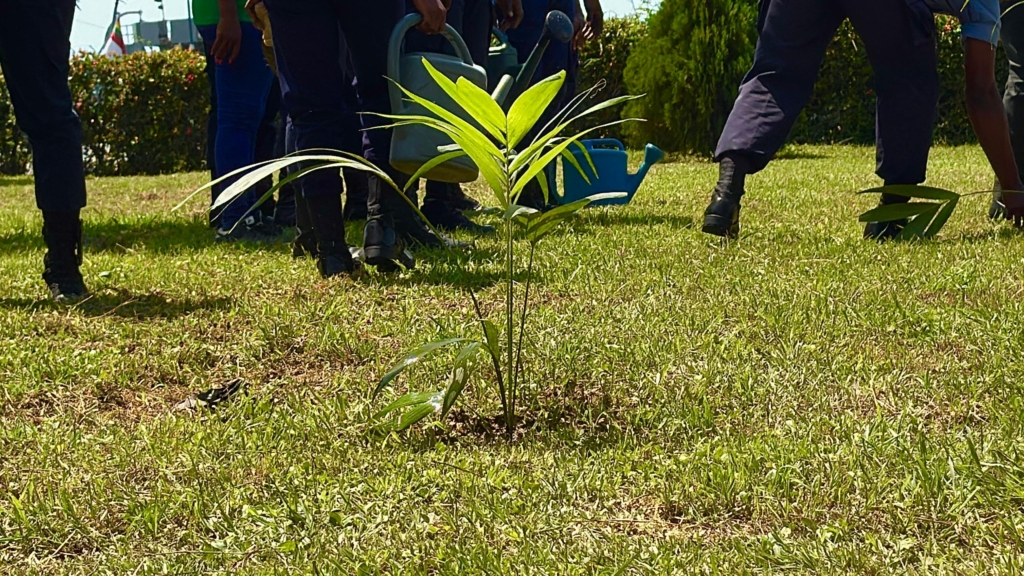
In response to the degradation, the WRCC, in collaboration with security agencies, recently planted 100 Royal Palms at the Ghana Navy Base in Sekondi, with plans to plant an additional 3,000 trees in the Subri Forest Reserve. These efforts align with the theme of World Environment Day—"Restoring Degraded Landscapes"—and support Ghana’s pursuit of Sustainable Development Goal 15, which focuses on protecting and sustainably managing terrestrial ecosystems.
Meanwhile, Elikem Kotoko, Deputy Chief Executive Officer of the Forestry Commission, has proposed the establishment of forest clubs in the country’s seven forest zones. The initiative aims to instil a culture of conservation among young people.
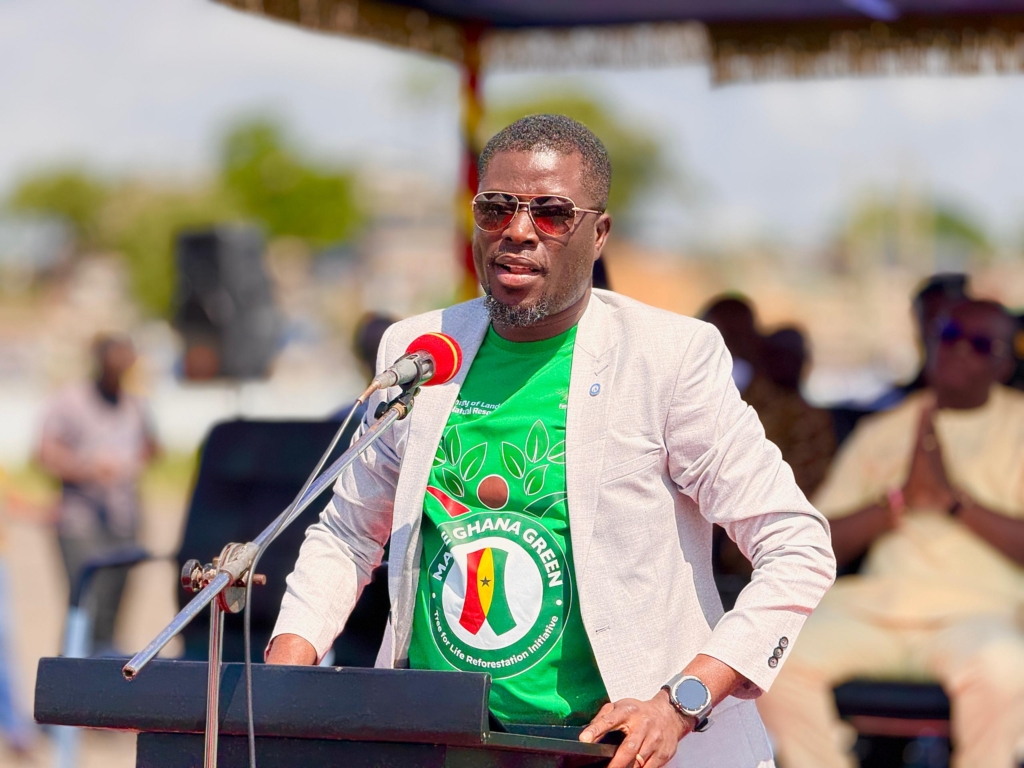
“To instil a culture of forest protection, we propose establishing forest clubs targeting younger generations,” Kotoko said. “Alongside programmes like the Boys’ Brigade and Red Cross, these clubs can foster environmental stewardship.”
He also suggested organising forest festivals to boost eco-tourism and raise awareness about conservation's economic and social benefits.
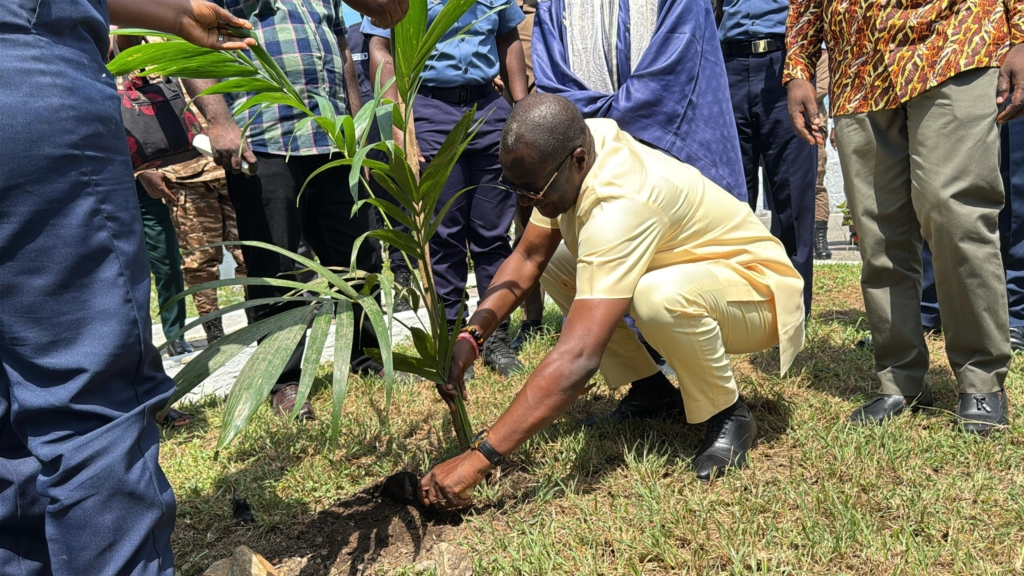
In support of national restoration efforts, Karpowership Ghana has reaffirmed its commitment to environmental stewardship. The power generation company, as part of its green recovery agenda, has planted over 11,000 trees in strategic reserves, including the Chipa and Subri Forest Reserves.
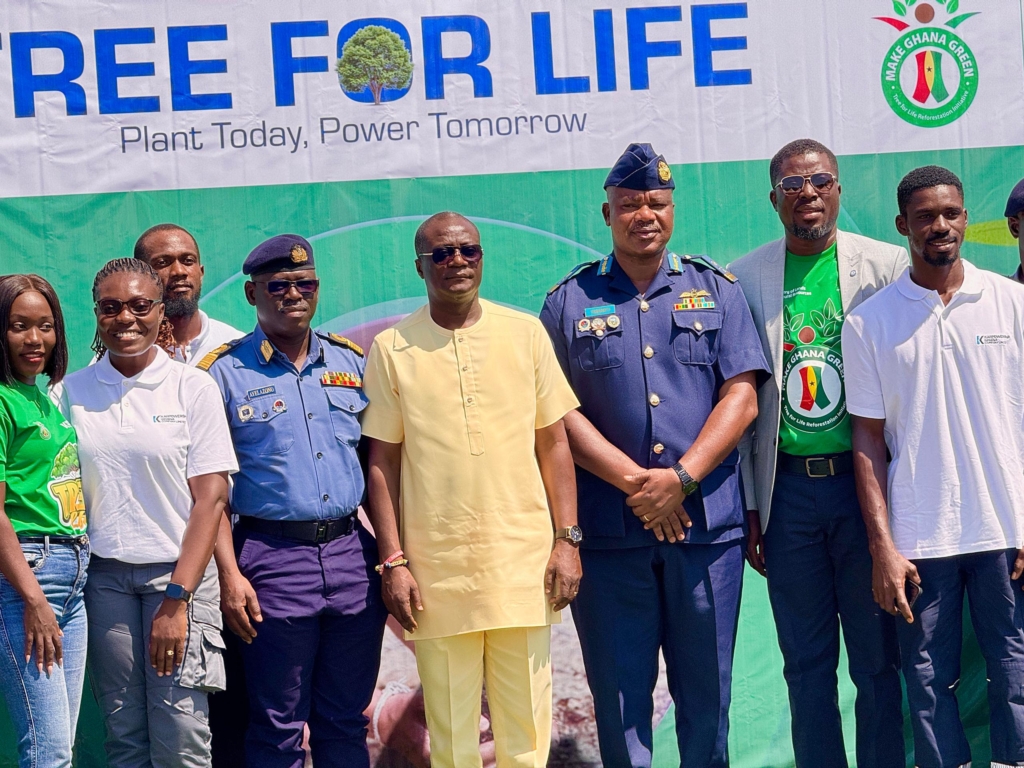
Sandra Amarquaye, Communications Manager for Karpowership Ghana, revealed plans for a new wave of tree planting: “We’re planting an additional 3,000 trees—100 at the Ghana Navy Base in Sekondi, where our powership is docked, and 2,900 in the Subri Forest Reserve. This is made possible through our partnership with the Ghana Navy, showcasing the powerful intersection of defence and sustainability.”
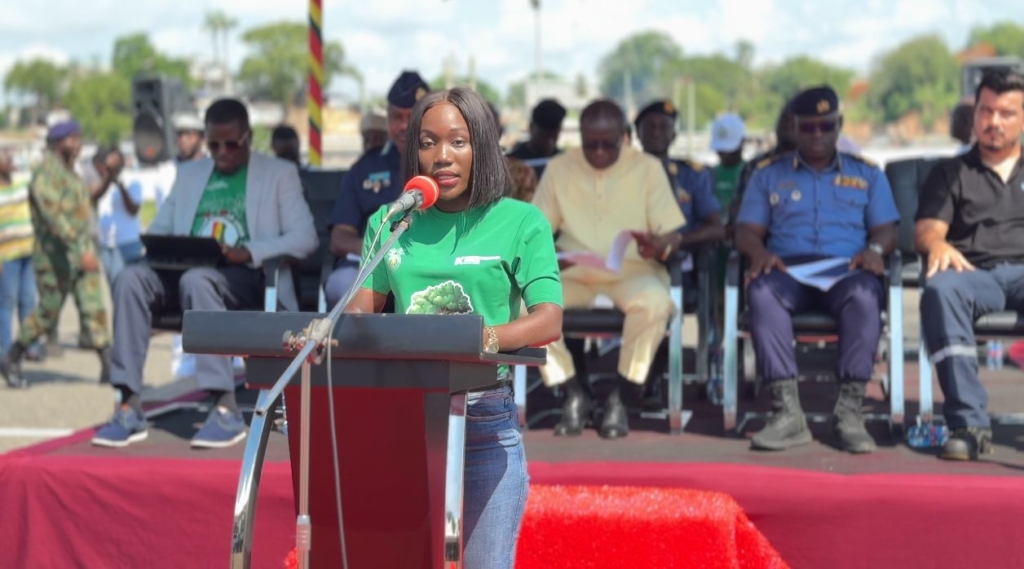
Ghana’s evolving environmental strategy underscores a shift from rhetoric to action, with multi-stakeholder collaboration, youth engagement, and community ownership at the heart of forest conservation.
The call for forest clubs and expansive tree planting reflects a deepening commitment to reclaiming degraded lands and safeguarding the country’s natural heritage for generations to come.
Latest Stories
-
US Court backs extradiction of former MASLOC CEO Sedina Tamakloe-Attionu’s to Ghana
16 minutes -
Seven arrested as NAIMOS dismantles illegal mining camp, seizes firearms at Boin River
18 minutes -
Fire erupts at Madina Ritz Junction, destroys multiple wooden structures and containers
32 minutes -
Daniel-Kofi Kyereh returns from long-term injury, registers assist for Freiburg U23
44 minutes -
Knifeman calling himself ‘Lucifer’ slashes three at NYC’s Grand Central
59 minutes -
Brands are built from within to without
59 minutes -
Matriculants urged to pursue excellence as gov’t reaffirms support for Maritime education
1 hour -
See the areas that will be affected by ECG’s planned maintenance on Monday, April 13, 2026
1 hour -
GPL 2025/26: Salim Adams double fires Medeama back to summit after Kotoko rout
1 hour -
Two robbery suspects convicted following violent gold dealer attack in Obuasi
1 hour