

Audio By Carbonatix
Each year on June 5th, the world unites to observe World Environment Day, a United Nations initiative aimed at raising awareness and driving action on critical environmental issues. This year’s theme, “Ending Plastic Pollution," is a strong call to action to address one of the biggest challenges facing our planet: plastic waste.
Globally, plastic waste has reached alarming levels. A 2023 report by the Organisation for Economic Co-operation and Development (OECD) reveals that the world is producing twice as much plastic waste as it did two decades ago, with only 9% of it being successfully recycled.
The rest ends up in landfills, is burned, or pollutes our oceans and ecosystems, posing a growing threat to human health, biodiversity, and climate stability.
Ghana is not exempt from this crisis. According to the United Nations Development Programme (UNDP), the country produces approximately 1.1 million tonnes of plastic waste annually, yet only 5–10% is recycled.
The majority of this waste ends up in drains or waterways or is openly burned, contributing to floods, pollution, and public health challenges.
Observing World Environment Day in 2025 is not just symbolic; it is a crucial step towards securing a cleaner, healthier, and more sustainable future for all. One sure way Ghana can explore ending plastic waste is to leverage innovation and encourage green entrepreneurship in tackling plastic waste.

By supporting startups and businesses that develop eco-friendly alternatives to plastic, such as biodegradable packaging or reusable materials, the country can reduce its dependence on single-use plastics. Empowering young entrepreneurs through funding, training, and policy support can turn the plastic waste crisis into an economic opportunity, creating jobs while promoting a cleaner environment.
Green entrepreneurs contribute to building a circular economy where resources are reused rather than discarded. This creates a business model that is both environmentally regenerative and economically viable.
One such not-for-profit organisation that is creating an enabling environment for green entrepreneurs to thrive by empowering them to create environmentally friendly innovations to address issues with plastics is Kosmos Innovation Center (KIC).
KIC promotes green entrepreneurship by supporting young entrepreneurs through various programmes that encourage the development of innovative, sustainable solutions within the agricultural and related sectors.
This includes providing coaching, mentorship, and funding to help transform business ideas into viable and eco-friendly products or services. KIC also focuses on inclusivity, ensuring that its programmes reach young people in both urban and rural areas, as well as women.
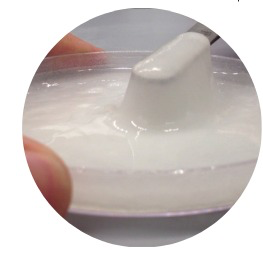
Earth-Allies is a KIC-supported startup based in the Bono East Region of Ghana, specialising in the production of biodegradable plastic films for agricultural applications. These innovative films are made from starch extracted from cassava peels and are designed for use in mulching, nursery bags, and greenhouse coverings, offering a sustainable and eco-friendly alternative to traditional plastics.
As the world unites to end plastic pollution, Ghana must harness the creativity of its youth and the power of innovation to build sustainable, circular economies.
Latest Stories
-
Ghana’s tuna industry in crisis as 20 hook-and-line vessels collapse
4 minutes -
South Tongu MP launches apprenticeship programme for 159 young people
18 minutes -
The Pusiga connection behind Gertrude Atongi’s work in New York
44 minutes -
Teachers took promotion exams in December to beat government clearance deadline – GNAT
46 minutes -
NPA launches 2026 staff welfare week with focus on teamwork and employee wellbeing
49 minutes -
Ghana, Saint Kitts and Nevis sign labour deal to strengthen protections for Ghanaian nurses
55 minutes -
Delayed promotions put teachers’ retirement benefits at risk – GNAT
58 minutes -
No ‘Bawumia candidates’ in NPP executive elections – Anthony Karbo
59 minutes -
Over 3,000 displaced as flooding overwhelms Hohoe communities
1 hour -
Sunyani East NPP executives begin reconciliation drive ahead of 2028 polls
1 hour -
Agric Minister engages Ga Mantse on agriculture transformation agenda
1 hour -
Aayalolo expansion targets private car users, not trotro operators – Mahama Ayariga
1 hour -
KNUST, GMTF explore AI partnership to transform healthcare delivery
1 hour -
MTTD records 9,000 preventable crashes, over 900 deaths in eight months
1 hour -
UN Secretary-General expresses optimism about future, pledges support for Mahama, AU
2 hours