

Audio By Carbonatix
Sachet and bottled water are popular and affordable ways to purchase drinking water, especially in many developing countries like Ghana. These small, single-use plastic sachets are widely used due to their low cost and convenience. However, the waste they generate poses significant environmental and health challenges.
Ghanaians often show little concern for how they dispose of plastic and rubber waste, particularly sachet water waste. Passengers frequently discard sachet and bottled water waste carelessly, whether on public transport, in the streets, or other public places. Some passengers leave empty sachets and bottles on the floor of the 'trotro,' creating an unsanitary environment within the vehicle. While the driver or mate might later clean up, this waste often ends up being improperly disposed of.
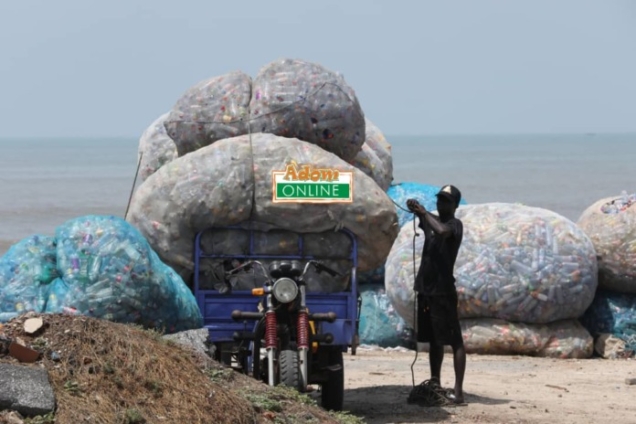
As a result, sachet water collection has become an informal waste management sector that plays a crucial role in recycling and reducing plastic pollution. Collectors engage in door-to-door collection, picking up waste from streets and public areas, depending on the volume of waste and the resources available. They may transport the sachets manually using carts or bags, or with small vehicles like tricycles or motorcycles. The collected sachets are taken to recycling facilities where they are processed into raw materials that can be used to produce new plastic products.
In some cases, sachet waste may be repurposed to create items like plastic pellets, roofing sheets, or even art and craft materials. While those who collect these recycled products may see it as a way to earn additional income, many are unaware of how they’re contributing to the fight against climate change.
The indiscriminate disposal of sachet water plastics is a significant environmental issue. When these plastic sachets are carelessly discarded, they contribute to pollution, clog drainage systems, and create an unsightly environment. This practice can lead to flooding during heavy rains due to blocked drains and has harmful effects on wildlife and ecosystems.
Bottle and sachet water waste, particularly when made from non-biodegradable plastics, can persist in the environment for hundreds of years. As these plastics break down into microplastics, they can contaminate the soil, leading to reduced soil fertility. Contaminated soil can hinder plant growth by affecting water absorption and nutrient availability. Over time, plastics can leach harmful chemicals such as phthalates and bisphenol A (BPA) into the soil and water. These chemicals can be absorbed by plants and enter the food chain, potentially causing health issues in both plants and animals, including humans who consume the crops.
Moreover, farmers may face economic losses due to reduced crop yields, lower quality produce, and increased costs associated with cleaning up waste and managing contaminated soil and water. This can have a ripple effect on food security and livelihoods in agricultural communities. The accumulation of plastic waste in agricultural areas can disrupt local ecosystems. Wildlife, including beneficial insects and soil organisms that contribute to soil health, can be harmed by ingesting or becoming entangled in plastic waste. This disruption can lead to a decline in biodiversity, which is vital for maintaining healthy agricultural ecosystems.
Those who collect sachet water waste play a vital role in mitigating climate change. By collecting and recycling this waste, they help reduce the amount of plastic pollution that ends up in landfills and oceans. This action contributes to reducing greenhouse gas emissions, which are a significant driver of climate change. Recycling sachet and bottle water waste helps conserve resources, reduce energy consumption, and minimize the environmental impact associated with plastic production. It’s a small but impactful step towards a more sustainable future.
Polythene does not naturally decay, decompose, or corrode, leading to long-term persistence in the environment. When burned, polythene produces harmful emissions, including oxides of carbon, nitrogen, and sulfur, which contribute to air pollution and can have adverse health effects. The widespread use of sachet water has led to a significant increase in polythene waste, which is difficult to manage due to its non-biodegradable nature. This can result in environmental pollution, including the littering of landscapes, clogging of waterways, and harm to wildlife.
Uncollected waste from sachet and bottled water often accumulates in streets, open spaces, and natural habitats, leading to severe land pollution. This not only degrades the aesthetic value of the environment but also harms soil quality and local ecosystems. Sachet waste can easily be carried by wind and rain into rivers, lakes, and oceans. Once in water bodies, these plastics contribute to significant water pollution, harming aquatic life and ecosystems. Marine animals often ingest these plastics, mistaking them for food, which can lead to injury or death.
By collecting this waste, these individuals help prevent plastic waste from accumulating in the environment. When plastics accumulate in landfills or natural habitats, they release microplastics and harmful chemicals into the soil and water, potentially disrupting ecosystems. Collecting sachet water waste contributes to a circular economy where materials are reused and recycled rather than discarded. This approach conserves resources and reduces the demand for new raw materials, leading to less energy consumption and fewer emissions overall.
Their efforts can lead to more environmentally friendly practices within communities, helping to build a culture of sustainability that supports broader climate change mitigation efforts. Many individuals, especially in developing countries, rely on waste collection as a source of income. By supporting their work, we also support social stability and development, which are integral to sustainable development goals, including climate action.
The importance of those who pick up sachet water waste to climate change is significant, as they contribute to waste management, resource conservation, and reducing environmental pollution.
In conclusion, sachet and bottled water waste collectors are unsung heroes in the fight against plastic pollution, playing a vital role in mitigating climate change and promoting sustainability.
Latest Stories
-
Mrs Sheila Naa Oyoe Dickson nee Watson-Quartey
2 minutes -
3rd edition of Democracy Cup launched, with main event scheduled for August 30 in Kumasi
9 minutes -
Ghana strengthens child road safety with new driver’s guide and amendment act
11 minutes -
GPRTU to await President’s fuel tax cut before finalising fare adjustment
15 minutes -
ECG Billing concerns raise questions about Transparency and Consumer Trust
19 minutes -
Three years on, Tongu flood victims still wait as chief pleads for help
31 minutes -
Middle East tensions drive fuel surge, but local costs hurt more — GPRTU
33 minutes -
What a Shock! When “Party People” stop being Party People
34 minutes -
Government clears debt as Suame Interchange project set to resume – Roads Minister
42 minutes -
GPRTU gives government 48 hours to cut fuel taxes before pushing for fare hike
44 minutes -
Pepsodent deepens impact with nationwide schools programme as part of World Oral Health Day activities
50 minutes -
Cabinet approves $250m AI centre to boost tech innovation
58 minutes -
Today’s front pages: Wednesday, April 1, 2026
1 hour -
ACEP urges incentives for private fuel storage as prices surge in Ghana
1 hour -
From recognition to reinvention: Marking one year of Dr Philip Oti-Mensah’s era at UMB
2 hours