

Audio By Carbonatix
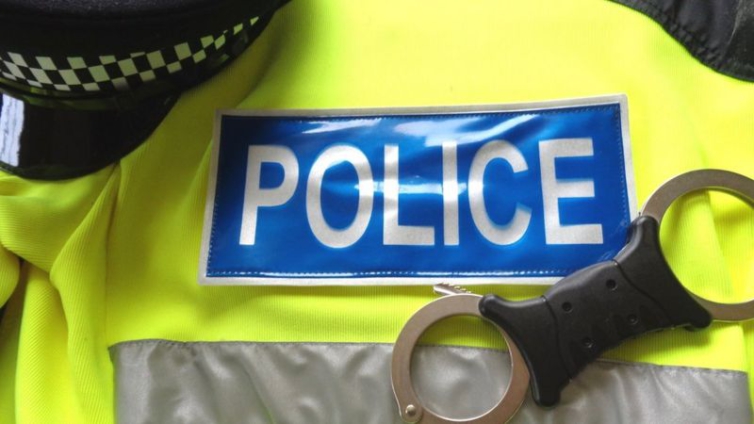
The National Police Chiefs Council (NPCC) has confirmed officers are being told not to install the NHS Covid-19 app on their work smartphones.
The app detects when users have been in proximity to someone with the virus. Some officers have also been told they may not need to obey self-isolate alerts generated by the app when downloaded to their personal phones.
Lancashire Constabulary has told staff to call the force's own Covid-19 helpline instead. The BBC contacted the North-West of England force after a source claimed the advice had been given because of "security reasons".
The source also said officers had been told not to carry their personal phones while on duty if they had activated the app. This applies to staff working in public-facing roles as well as those in back-office positions.
"The health and wellbeing of our officers, staff and the public remains our priority," a Lancashire Constabulary spokeswoman subsequently told the BBC.
"Members of staff, like all members of the public, are personally able to download the Track and Trace application should they choose to do so.
Guidance provided to staff within the workplace remains in line with the national NPCC position.
"The NPCC confirmed the work-phones policy was common to all forces, and said it was carrying out an urgent review of the matter.
"Police forces use a variety of mobile devices with different system restrictions," said a spokesman for the council.
"It is important that we have confidence that the NHS app will work for officers and staff consistently across the country, and it is for this reason that we have recommended that officers and staff download the app to their personal, as opposed to work devices, rather than any suggestion of security implications."
The NPCC might drop the policy as soon as Tuesday.
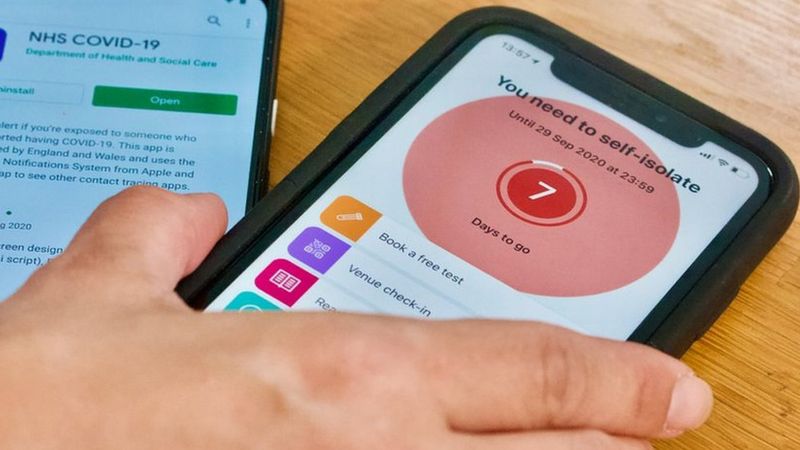
NHS Covid-19 launched last Thursday, since when it has been downloaded more than 12 million times.
In addition to contact-tracing, it also offers a way for users to scan codes when they enter a building to log they were there, as well as a means to check if they have symptoms of the coronavirus and to order a test.
The NPCC had previously raised concerns about officers sharing information with human contact tracers on the grounds it could compromise undercover work and other sensitive operations.
But since the app is designed to keep people's identities secret, this should not be a problem in this case.
Latest Stories
-
Netherlands Fire Chief in Ghana to support fire safety reforms and market fire prevention efforts
5 hours -
Mason goes on remand for stealing
5 hours -
Gov’t cuts fuel taxes, deploys buses to curb impact of rising fuel prices
5 hours -
Interior Minister calls for intelligence-driven strategy as Ghana strengthens counter-terrorism efforts
5 hours -
Adenta Circuit Court remands Pastor William Gyimah over viral threats against Vice President
6 hours -
“We’ve implemented changes to prevent a repeat of the AFCON final” – CAF President Motsepe
6 hours -
Gov’t orders deployment of Metro Mass buses to cushion commuters amid fuel price hike
7 hours -
Key Indian state polls begin in test for Modi’s party
7 hours -
Playback: Gomoa Easter Carnival in photos
7 hours -
Gov’t orders removal of fuel taxes to ease pump price hikes
8 hours -
“Whatever the decision of CAS, we will respect it” – CAF President Motsepe after AFCON final meetings in Morocco
8 hours -
Emma Ankrah: When waiting becomes part of treatment – Reflections on hospital care
8 hours -
Ghana urges travellers to prepare for new EU border system roll-out
8 hours -
Mahama enforces fuel coupon ban for ministers as cabinet moves to slash fuel taxes
8 hours -
Task force probes strange fish deaths in Tema
8 hours