

Audio By Carbonatix
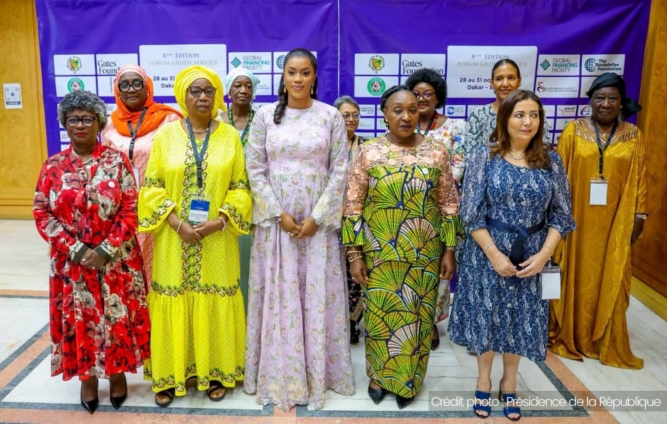
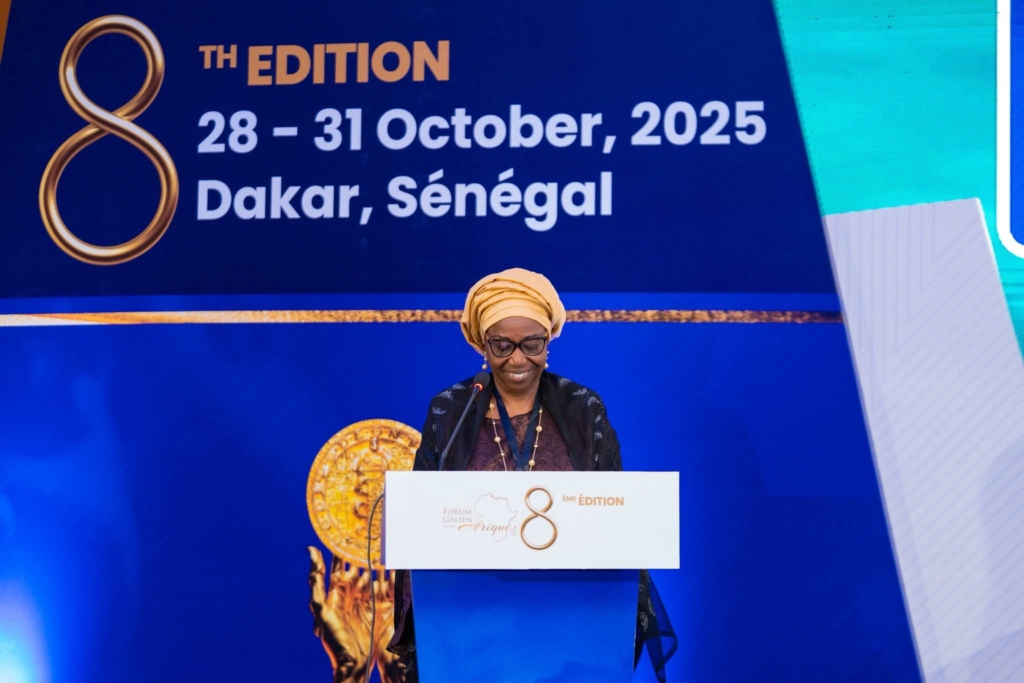
African leaders, researchers and civil society actors have called for urgent action to prioritise women’s empowerment and strengthen literacy in rural areas as part of efforts to achieve health sovereignty on the continent. The call was made in Dakar, Senegal, at the closing of the 8th Forum and Prix Galien Africa, which culminated in the adoption of the Dakar Declaration on Health Sovereignty in Africa.

The Declaration highlights the need to place youth and women at the heart of health transformation, recognizing their roles as drivers of innovation and social change. Among the key commitments is the creation of incubators and dedicated funds to support health start-ups led by women and young people, as well as the launch of mentorship and scholarship programs to nurture the next generation of African researchers and entrepreneurs in health.
The forum brought together political leaders, researchers, innovators, and development partners, who jointly expressed concern over Africa’s heavy health burden, bearing 24% of global diseases with less than 5% of global health spending. Participants also decried the continent’s dependency on imported medicines and vaccines, with over 70% of essential drugs and up to 99% of vaccines sourced from outside Africa.

According to the Declaration, health sovereignty based on Africa’s capacity to design and manage its own health policies and systems, is a “strategic imperative” for sustainable development, economic stability, and security. It calls for increased investment in research, local pharmaceutical production, and technological innovation, backed by stronger governance and regional cooperation.
The Dakar Declaration outlines five key strategic priorities, including:
Accelerating local production and innovation, mobilizing sustainable and innovative health financing, strengthening governance, regulation, and human capacity, ensuring equity and universal access to healthcare, and placing youth and women at the center of Africa’s health transformation.

It further urges African Union member states to adopt the Declaration as a roadmap for national and continental policies and to align development funding with Africa’s health sovereignty agenda. International partners and the private sector are also encouraged to support these goals through ethical investment and technology transfer.
The declaration concludes with a commitment to make the Galien Forum Africa an annual accountability platform to track progress and share results, with the next review scheduled for 2026.
Latest Stories
-
Knights and Ladies of Marshall group backs Catholic Bishops’ stance on anti-LGBTQ+
27 minutes -
Bright Simons writes: All the Filla in the Ibrahim Mahama/E&P – Gold Fields Saga
52 minutes -
Monetise Idiocy In Ghana
59 minutes -
The Ghanaian prophet and the mysterious death of his scottish wife Charmain Speirs
2 hours -
Nearly 400 sentenced in Nigeria for links to militant Islamists
2 hours -
Ghana’s recovery supported by gold strength despite global oil price pressures – Standard Bank Research
2 hours -
Methodist Church hails Mfantsipim@150; calls for “fresh consecration” to excellence
3 hours -
‘Excellence is our inheritance’ – Nana Sam Brew-Butler hails Mfantsipim’s 150-year reign in leadership
3 hours -
Kwaku Azar writes: A-G vs OSP
3 hours -
Mfantsipim–Adisadel rivalry built excellence, not division – Sam Jonah
3 hours -
Vice President launches Mfantsipim’s 150 years of shaping Ghana’s greatest mind
3 hours -
I assure Otumfuo, Mahama will join him to commission KNUST Teaching Hospital by end of this year – Haruna Iddrisu
4 hours -
Barcelona dominate derby to extend La Liga lead
4 hours -
Gov’t to roll out free special education for persons with disabilities from July 1 – Education Minister
5 hours -
Importers and Exporters Association declares full support for Publican AI port system
5 hours