

Audio By Carbonatix
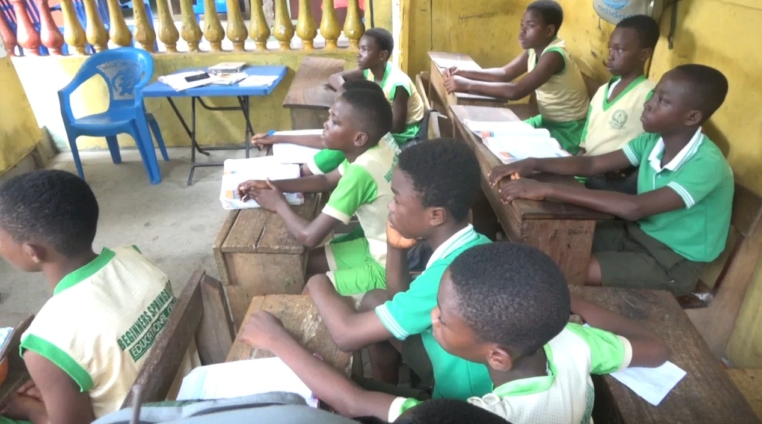
Private basic schools in Ghana are raising significant concerns over the government’s policy that reserves a 30 per cent equity quota for public schools during the placement process.
Several private school administrators, during an educational tour organised by Opportunity International EduFinance, highlighted the negative impact this policy is having on their enrollment figures, threatening the financial sustainability of their institutions and the quality of education they provide.
The 30 per cent quota, designed to give students from public schools priority access to Category A senior high schools, has sparked frustration among private school proprietors.
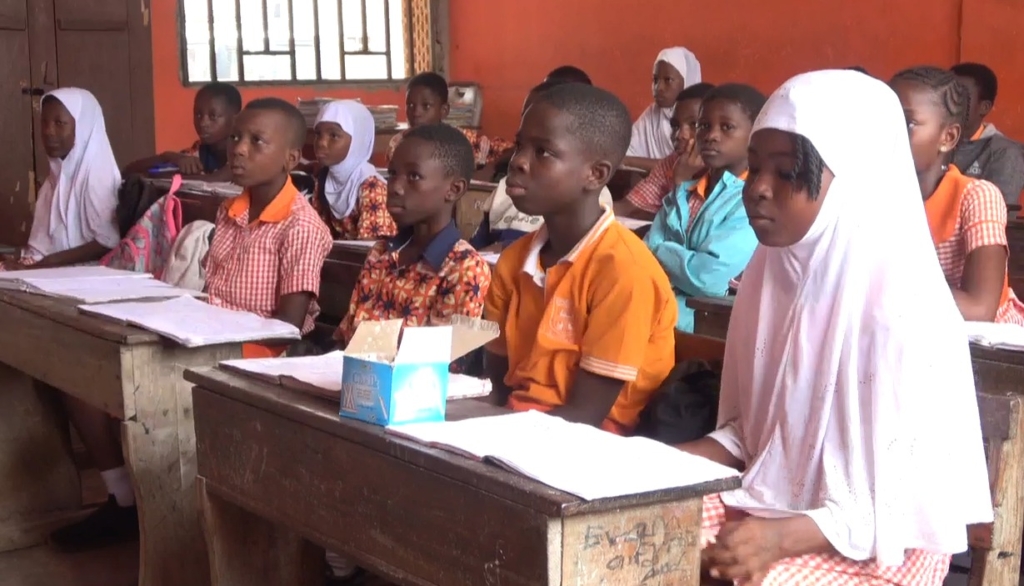
The policy allocates specific spaces for public school students in the placement process, which is compelling many parents to send their children to government schools in the hope of securing a spot in top-tier senior high schools.
As a result, private schools are experiencing a notable decline in enrollment, with some institutions facing challenges to remain operational.
According to Ransford Gyekye, the Proprietor of Supreme Care Education Centre, the policy has directly contributed to a decrease in student intake at his school.
He explained, "Most parents wait for their children to complete JHS 2, and then they transfer them to government schools because of the higher chances of being placed in Category A senior high schools."
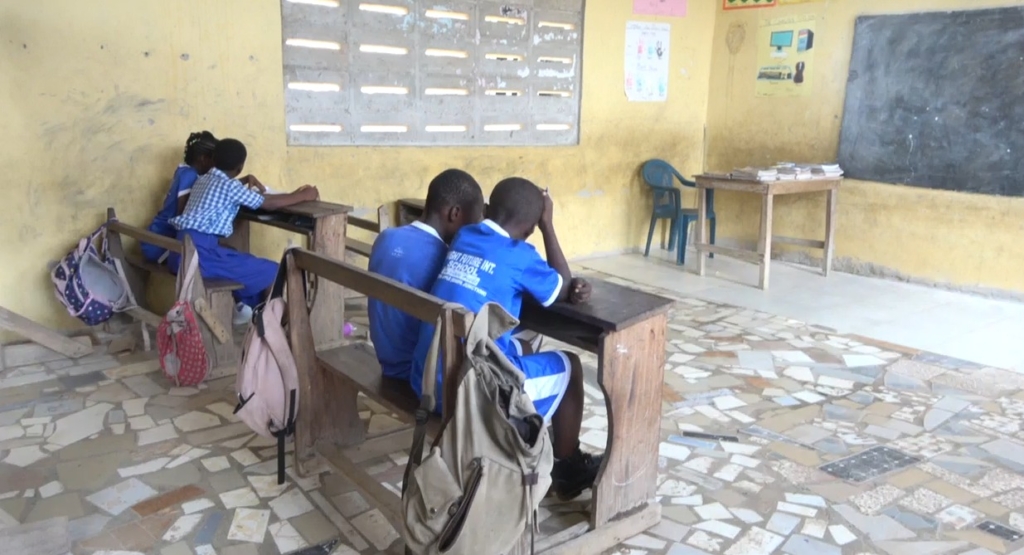
At the Bright Future International School, the Proprietor, Lawrence Agbloh Dameh, shared a similar sentiment, revealing that his JHS 2 class currently has no students enrolled.
"All the students in my JHS 2 class have left for a government school nearby," he said, underscoring the impact of the policy on private institutions.
The owners of these private schools are now calling on the government to reconsider its approach and work closely with heads of private basic schools to ensure their students also have equitable access to Category A Senior High Schools.
They argue that the current policy undermines the viability of private schools, which play an essential role in providing diverse educational options for families across Ghana.
Private school heads are urging the government to engage in dialogue to find a more balanced solution that ensures fair opportunities for all students, irrespective of whether they attend public or private schools.
Latest Stories
-
Apetorku Gbodzi 2026 Festival opens in Dagbamete with development focus
11 minutes -
President Mahama arrives in Lyon to co-chair One Health Summit
18 minutes -
Beverly View Plus Hotel draws crowds amid coastal Easter rush in Volta
18 minutes -
Maiden Zongo Festival held in Wa amid calls to tackle drug abuse among the youth
41 minutes -
FDA warns of fake HIV test kits on Ghanaian market
1 hour -
Africa urged to build resilient health systems as donor support tightens
1 hour -
Easter gesture: Ablakwa settles medical bills for 85 North Tongu constituents
3 hours -
Africa must harness its population strength—Titus-Glover
3 hours -
Visa-free access doesn’t mean unlimited stay – Lom Ahlijah
3 hours -
From Golgotha to Kwahu: The Easter Migration of the Faithful and the Faithless
4 hours -
How the Ghanaian onion traders’ standoff with Nigeria unfolded and threatened local supply
5 hours -
No compensation for demolished structures on 24-Hour Economy market lands — Gov’t to structure owners
5 hours -
Financial Institutions must back local enterprises to spur growth – Deputy Minority Whip
5 hours -
Photos: Gomoa Easter Carnival 2026 ends in a burst of colour and celebration
5 hours -
Gomoa Easter carnival ends in colour as fashion, music and celebrity appearances light up final night
5 hours